
Insights into Fayetteville real estate: A year of stabilization and optimism for 2026
By Stacie Borrello, posted Jan 22, 2026 on BizFayetteville.com
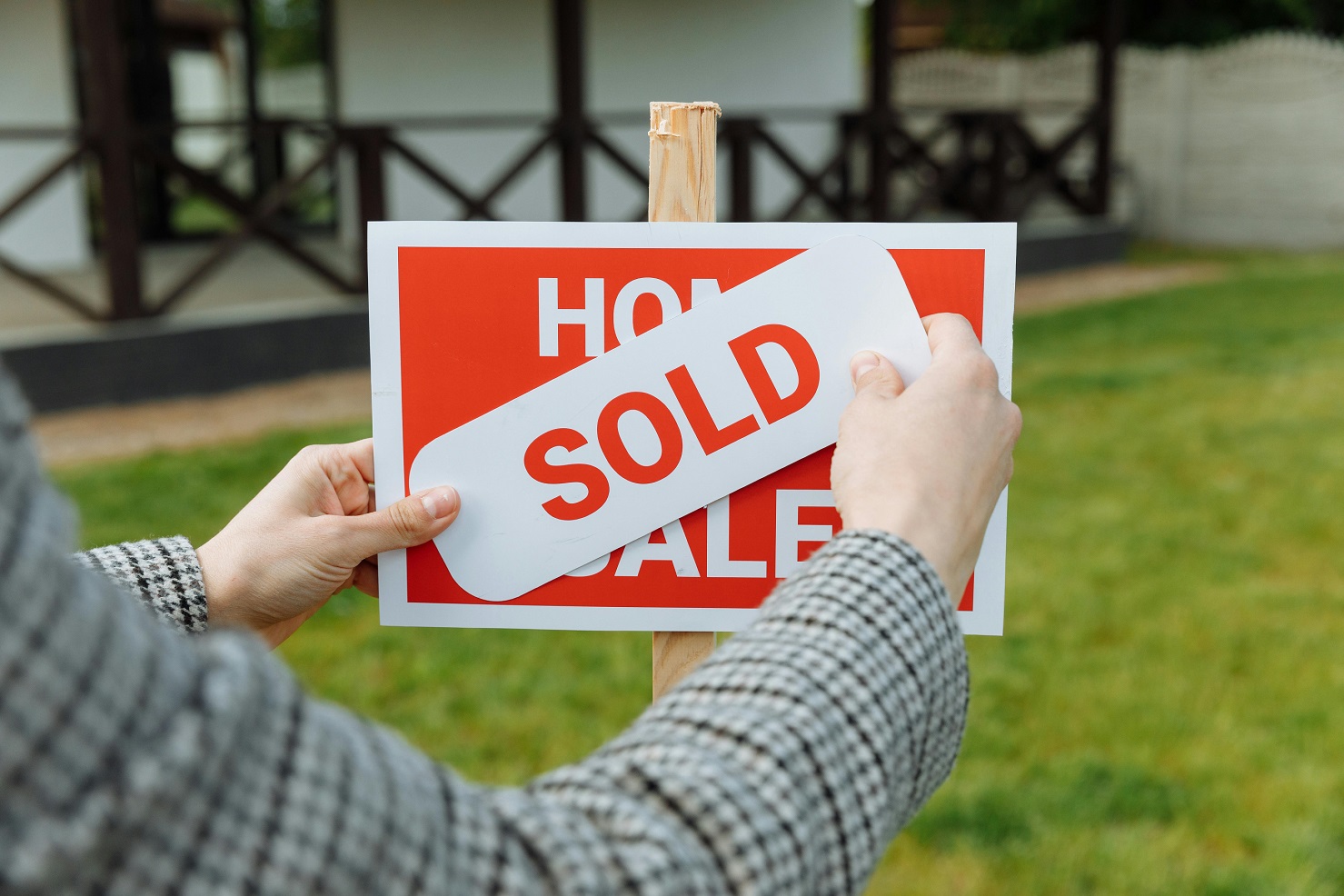
After several years of market turbulence, the greater Fayetteville residential real estate market spent 2025 finding its footing, according to a local expert. While dramatic price spikes and bidding wars have faded into memory, brokers and agents are entering 2026 with cautious optimism about what lies ahead.
“2025 was more of a recovery year in my eyes, a stabilizing year,” said Michael Solomon, broker-in-charge at Coldwell Banker Advantage in Fayetteville. “And going into 2026, we’re very optimistic about it."
Fayetteville’s real estate market has always marched to a slightly different beat than the rest of the country, and the military installation is a primary reason why. While the area experiences the same market fluctuations as other regions, Fort Bragg provides a cushion that softens both downturns and runaway growth.
“We’re not immune to what happens nationally—when the U.S. real estate market takes a dip, we take a dip too,” Solomon explained. “It’s just usually not as steep. The same thing on spikes. We spike like the rest of the country does, but the blows are blunted, so to speak, because of our stability due to Fort Bragg.”
That stability stems in part from more frequent than usual turnover, creating a market where sellers are not as locked in. While the national average for homeownership sits around 11 years, Fayetteville’s military population turns over much faster.
“The government doesn’t care— you’ve got orders, you’re moving,” Solomon said. “That's always going to give us a higher and faster turnover of buyers and sellers and more stability when consumer confidence is low.”
When other markets grind to a halt, Fayetteville keeps moving. The COVID-19 pandemic created a whirlwind few years for real estate. What began as fears of total market collapse quickly transformed into a frenzy of bidding wars, with many homes selling within hours, and prices climbing at unprecedented rates, Solomon recalls.
“We all thought we were going to be out of business in real estate when that first weekend really happened,” Solomon shared. “We were still selling houses,” he said. “We put homes on the market and they were sold within hours, in some cases with multiple offers over asking price with deposits that were exponentially higher than we had seen in the past.”
That frenzy created a ripple of impacts for residential real estate markets. Interest rates that hovered around 2.25% in 2018-2019 began to skyrocket, and homeowners who got those low rates found themselves locked in due to the added expense of a new mortgage.
“If you bought a house in 2018 or 2019, paid $200,000, and got a 2.25% interest rate, and then experienced the COVID-era mass appreciation, now you’re sitting on $100,000 or $200,000 worth of equity at 2.25%,” Solomon explained. “If you sell, you can go buy a $400,000 house and use equity to buy that, but it’s probably going to be at a high 5% interest rate. That’s the lock-in effect, and it’s another part of our inventory problem.”
The lock-in effect, combined with supply chain disruptions that slowed new construction, created an inventory shortage, driving home prices higher, which began to ease in the past year.
Solomon believes that in 2025, “consumer confidence improved, and I think also interest rates started to move down, which helped our affordability and our lock-in issue.”
Throughout 2025, the Federal Reserve implemented several rate cuts, though their impact on mortgage rates proved more muted than many hoped. Still, rates did decline from their 2024 peaks, and consumer confidence improved as buyers adjusted to the new normal.
“If you look at the 40-year average of interest rates, we’re still below it. It’s seven, that’s the 40-year average of interest rates,” Solomon said.
In 2010, the average sales price in the greater Fayetteville area hovered around $120,000. By 2025, that figure had climbed to roughly $290,000. That appreciation, while creating wealth for existing homeowners, has also raised affordability concerns.
“We don’t want to see values necessarily flatten or decrease, but kind of stabilize,” Solomon said. “Price appreciation appears to be flattening, and that’s something that we’re actually excited about, as its impact on home affordability has been huge.”
One of 2025’s most significant developments was the return of builders to the market. After pausing during the height of supply chain issues and unfavorable lending conditions, construction companies found their footing again.
The I-295 corridor has emerged as a focal point for growth, particularly around Parkton.
“I-295 has changed the game of that part of the greater Fayetteville area,” Solomon said.
Raeford continues expanding, while outlying communities like Roseboro and Salemburg are also seeing new development.
“We’re seeing a lot of building in the suburbs of Fayetteville, sparking new construction growth, which helps alleviate the inventory problem,” Solomon noted.
These suburban pockets offer builders something increasingly scarce closer to urban areas: affordable land. With many existing homeowners reluctant to sell, new construction has become one of the few reliable sources of inventory.
Looking ahead at 2026, further rate cuts are anticipated, which should help ease both the lock-in effect and overall affordability. Builders appear positioned to maintain their momentum, adding inventory across multiple price points and communities. And as prices stabilize, more buyers who felt priced out may find their way back into the market.
“I think certain conditions are going to ease, and we’re going to see a really positive, good year in real estate in 2026,” Solomon concluded. “We’re optimistic about it. We don’t think this is going to be some explosion. We don’t want that anyway. We want a good, stable real estate environment for our clients in the area.”
For a market that has weathered a pandemic, supply shortages, interest rate whiplash and inventory constraints, stability sounds pretty good. And in Fayetteville, where military families will keep moving regardless of headlines, stability and steady growth look more favorable than in many other markets across the country.
Copyright © 2026
Enhanced Media Management Inc. dba
Greater Fayetteville Business Journal
This story may be displayed, reformatted and printed for your personal, noncommercial use only and in
accordance with our Terms of Service located at https://bizfayetteville.com/useragreement.