
Downtown vitality: How the North Carolina Main Street & Rural Planning Center is helping keep the hearts of our communities beating
By Stephanie Meador, posted May 28, 2026 on BizFayetteville.com
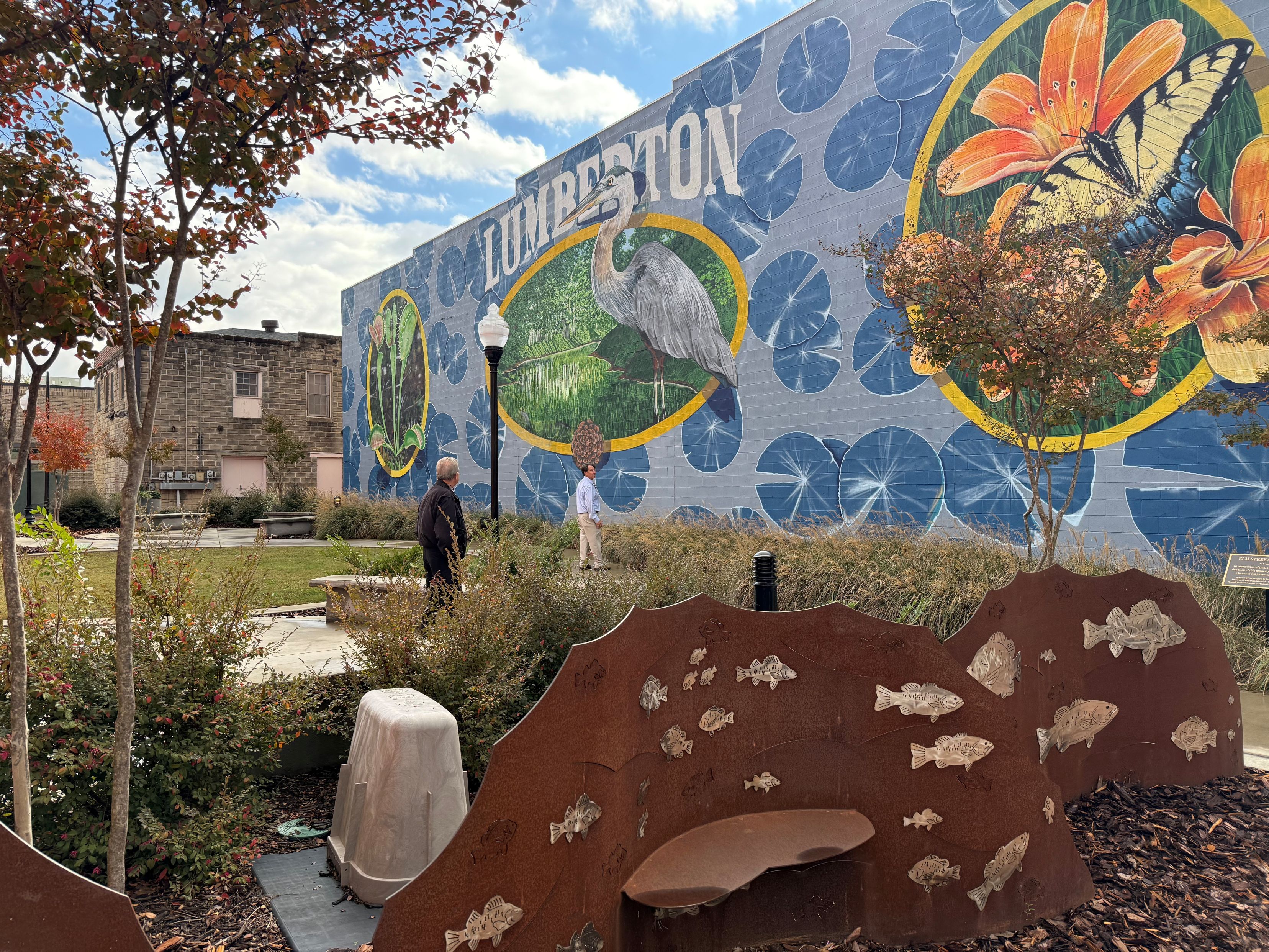
The Main Street America program started as a pilot program under the National Trust for Historic Preservation in 1977. The program was inspired by the growing number of malls being developed across the country and concern about decaying downtowns. After three years, the National Main Street Center was launched and states across the country were welcome to apply to the program. North Carolina was one of the first to be accepted.
Now, across the state, there are 72 cities involved in the North Carolina Main Street program and an additional nine that are in the North Carolina Small Town Main Street program. Main Street America offers two tiers of national designation: Accredited and Affiliate.
WITHIN GFBJ’S COVERAGE AREA, THERE ARE A TOTAL OF FIVE DOWNTOWNS THAT ARE ASSOCIATED WITH THE MAIN STREET AMERICA PROGRAM. THOSE INCLUDE:
City Of Clinton, Clinton, N.C.- Affiliate
Downtown Dunn Development Corp., Dunn, N.C.- Affiliate
Main Street Lumberton, Lumberton, N.C. - Accredited
Town of Aberdeen, Aberdeen, N.C.- Affiliate
Town of Roseboro, Roseboro, N.C. - Affiliate
Accredited status is the top tier of recognition. According to the Main Street America website, Accredited™ programs have a proven track record of planning, implementing and measuring results that align with the Main Street Approach. Accredited programs must meet the set of baseline requirements, such as having a board of directors, having a full-time program director (or a part-time director for communities less than 5000 in population), having a detailed plan for revitalization and a dedicated budget for the district’s revitalization programming and the Main Street program’s operations.
Main Street America Affiliates™, according to the official website, are programs or organizations that have demonstrated a commitment to the Main Street model and are on the pathway to achieving meaningful economic, social, physical and organizational improvements in their downtown or commercial districts. Affiliates can take steps to become Accredited in the following years. Communities in the Small Town Main Street program, however, will always remain in the Affiliate tier. Roseboro is an example of a town in the Small Town Main Street program.
Main Street America is a nonprofit organization. They work with state programs to develop coordinating programs. The North Carolina Main Street & Rural Planning Center is the Main Street America coordinating program for the state of N.C.
“We provide strategic economic development planning for communities across the state,” shared North Carolina Main Street Director Liz Parham. “We help them to identify their local assets. We look for opportunities for growth and development. We help them to craft a vision to move their program forward. We help them craft an implementation plan, a budget, help them identify stakeholders and partners that can help them accomplish that, and then help them identify funding if that’s something that they need for project development.”
Some examples of recent developments carried out by local Main Street America communities include the rehabilitation of the Carolina Civic Center Historic Theater in downtown Lumberton and the revitalization of the GC Thomas Building in Roseboro.
NC Main Street provides technical assistance on both program and project development, as well as training and education.
“We also have the largest statewide downtown revitalization conference in the country. We had about 806 people at the last conference, which was in New Bern in March. We also provide webinars. We provide Main Street director training in August each year. So again, we’re trying to build capacity with the training to help the local communities understand those best practices, raise up their unique assets and find opportunities for investment, for job growth and for business development,” added Parham.
NC Main Street also provides grants for downtown public improvements.
“We historically have not had a lot of grants, but we do have a Rural Downtown Economic Development Grant right now that’s being used to do projects such as streetscape improvements or theater improvements,” explained Parham. “We also maintain a funding guide. And the funding guide is federal, state, corporate, foundation [and nonprofit] sources of money. So if they have a good plan of work in place, then they can marry that up with the funding guide that we have, and the funding guide is about 30 pages right now. It’s updated every month, and they can identify sources of funding that might help them to do the projects that they have on their work plan.”
For communities that are not part of the Main Street program, the Rural Planning Center services communities across the state who are not already a part of Main Street America.
“Our rural planners - we have a rural planner for each of the eight prosperity zones in the state - and our rural planners primarily work with communities that are not in the Main Street program. They do that same strategic economic development planning, and that’s a really good first step… what we’re looking for [in Main Street communities] primarily is communities that have had some level of success in downtown revitalization activities, but that are really looking for the next level. The planning program can get them started going in the right direction,” shared Parham.
Downtown development is important because it paints a picture of the broader area. When prospective residents and businesses are evaluating a community to decide whether they want to move there, they often consider the area’s downtown district as a key indicator of the larger community’s offerings.
“The health of an overall community and county, and even a region, is dependent on the health and the vitality of the downtown district,” shared Parham.
From residential and commercial real estate to arts and entertainment attractions and outdoor recreation, downtowns remain the heart of our growing communities.
Copyright © 2026
Enhanced Media Management Inc. dba
Greater Fayetteville Business Journal
This story may be displayed, reformatted and printed for your personal, noncommercial use only and in
accordance with our Terms of Service located at https://bizfayetteville.com/useragreement.