

In a city where traditional lending channels can overlook aspiring business owners from underserved communities, the Tulsa Initiative is changing the narrative around access to capital. The Fayetteville-based nonprofit has worked to expand its mission beyond education and mentorship to include direct financial support through a new micro-lending initiative designed to bridge the gap for entrepreneurs who struggle to secure conventional financing.
Their new Tulsa Capital Accelerator (TCA) Micro Lending Program offers loans ranging from $500 to $10,000, specifically targeting entrepreneurs who may lack the credit history, collateral or established banking relationships typically required by traditional lenders.
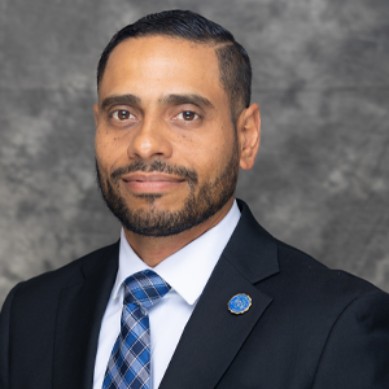
“These entrepreneurs might not have the creditworthiness that banks would like to see,” said Qu’Derrick R. Covington, board chair of the Tulsa Initiative. “They can come to us for help getting their business launched.”
The fund operates as a revolving loan structure, meaning loan repayments are reinvested to support additional borrowers—creating a sustainable cycle of community investment.
What sets the Tulsa Initiative’s approach apart is its emphasis on potential for community impact rather than traditional credit scoring models. Each borrower receives personalized business coaching and financial education, transforming the lending relationship from a purely transactional one into a comprehensive support system.
“The fund is really an anchor,” Covington explained. “It’s meant to help young entrepreneurs scale to their market and move from concept to growth.”

The program has already begun supporting diverse business concepts spanning technology, digital marketing and retail ventures. Early recipients have used funding for inventory purchases, equipment acquisition and working capital to scale their operations.
The TCA Micro Lending Program represents a significant evolution for the organization, which began with the establishment of the Tulsa Leadership and Entrepreneurship Academy (TLEA). This educational program trains participants in business fundamentals and leadership skills, creating a natural pipeline of entrepreneurs who are now able to access funding through the new lending initiative.
Central to the Tulsa Initiative’s mission is economic empowerment for young men, particularly those who are college-enrolled or have been involved in the justice system. This demographic focus reflects the organization’s broader commitment to addressing specific barriers faced by underrepresented entrepreneurs.
Graduates of the TLEA program receive priority access to the lending fund, creating an integrated pathway from education to execution. This approach addresses a common challenge: the gap between learning business skills and accessing the capital needed to implement them.
“Since 2019, we’ve worked closely with young men trying to build something real,” Covington noted. “Many have vision but lack access to capital to bring it to life.”
Micro-lending programs like this one play an increasingly vital role in local economic development, particularly in communities like Cumberland County. Small business development creates ripple effects throughout the local economy—generating jobs, increasing household incomes and keeping dollars circulating within the community.
The businesses supported tend to be service-based and neighborhood-focused, meaning their growth directly strengthens the economic fabric of their immediate communities. This hyperlocal impact aligns with broader economic development strategies that prioritize inclusive growth.
“We’re not just funding entrepreneurs—we’re investing in a more vibrant, inclusive economy for Fayetteville,” Covington said.
The micro-lending program reflects the Tulsa Initiative’s commitment to maintaining deep community roots. Headquartered at 109 Hay Street in downtown Fayetteville, the organization maintains an intentionally visible and accessible presence for entrepreneurs who might otherwise be excluded from regional economic development conversations.
This local focus extends to the organization’s networking and partnership strategies. By connecting borrowers with local mentors, potential customers and business development resources, the Initiative creates value beyond the loan itself.
In its first year, the program aims to fund 20 to 25 loans. However, the organization measures success through multiple metrics, including business sustainability, job creation and the development of generational wealth within the community.
With loan repayments reinvested into the fund, the program is designed to become a compounding investment in the region’s entrepreneurial ecosystem. Economic impact projections suggest that each dollar lent could generate multiple dollars in local economic activity as businesses grow and hire within the community.
As word spreads about the lending program, Covington sees this initiative as laying groundwork for expanded economic development efforts. The integration of education, mentorship and capital access represents a comprehensive approach to entrepreneurship development that could serve as a model for other communities facing similar challenges.
“We’re not just giving out loans—we’re creating momentum,” Covington said. “This is about helping people build something lasting—for themselves, for their families and for Fayetteville.”
The Tulsa Initiative’s evolution from education-focused nonprofit to comprehensive entrepreneurship support organization reflects broader trends in community development, where successful interventions increasingly require multiple touchpoints and integrated services.
The Tulsa Initiative’s evolution from education-focused nonprofit to comprehensive entrepreneurship support organization reflects broader trends in community development, where successful interventions increasingly require multiple touchpoints and integrated services.








Photo provided by magnific.comWith Mother’s Day coming up this weekend, I’d like to give a shoutout to my wonderful mom, who has done so much to shape me into the person I am today. My mom, Jeanne Meador, is a brilliant example of a selfless, in
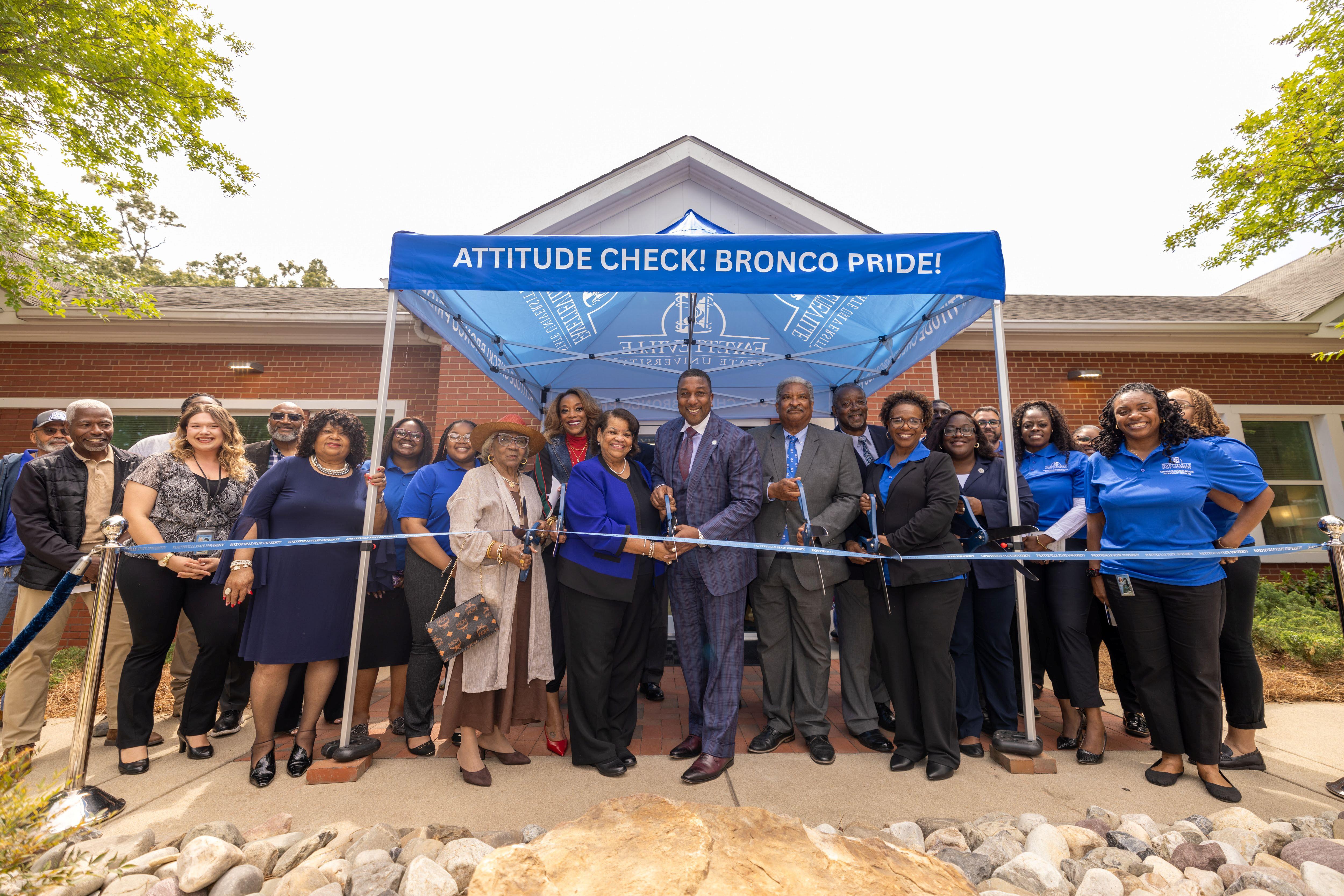
At center, Chancellor Darrell T. Allison and Juanette Council, Ed.D., vice chancellor for student affairs, cut the ribbon to celebrate the grand reopening of Fayetteville State University's newly renovated Spaulding Building, joined by campus leaders
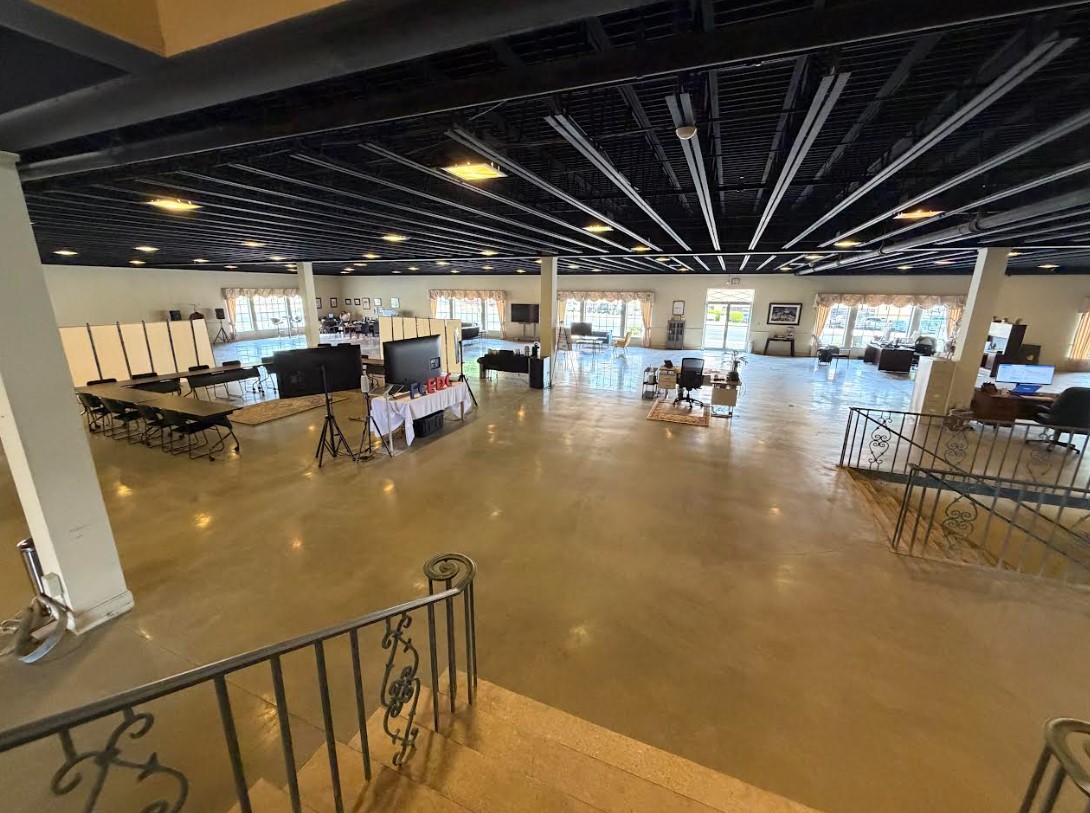
FCEDC has officially moved its staff and operations to 611 W. Russell St. The 35,800- square-foot center was previously home to Homemakers Furniture and Interiors. Renovations began in the fall of 2025 and are expected to be completed in the next six to eight months. Currently, FCEDC staff are working within an open 7,500-square-foot floor plan as initial improvements progress.