I don’t like snakes. I’ve tried to like them, really I have.
My earliest run-ins with snakes involve my grandmother’s garden, a magical place where my brother, sisters and I would spend several hours a day during our summer visits.
My grandmother, Dorothy, lived in a small town in central Kansas. That’s right, Dorothy, from Kansas. She had a scarecrow in her very large garden, but no tin man or lion — certainly no flying monkeys or munchkins; unless you count us kids.

I always grow a little nostalgic when I start seeing farmers markets pop up.
Have a look on page 11 of this edition of the Greater Fayetteville Business Journal. Michael Futch’s story is part one of a two-part series on the District Summer Market at Festival Park. Watch for the followup story in the July 23 edition by Jami McLaughlin.
There is absolutely no substitute for farm fresh fruits and vegetables. And despite ad campaigns touting “farm fresh” or “organic” goods, I know what farm fresh means because I’ve eaten straight from my grandmother’s garden. I’ve picked cherries and shucked corn after pulling it from the stalk.
Like so many towns across the Midwest, wheat, soybeans and silage kept the local economy going. While farmers worked the fields, their wives and young children kept the gardens at home producing more exotic treats, such as peas, beans, sweet corn, cabbage, tomatoes and — easily my favorite, asparagus.
The small supermarket on the town square relied on fresh vegetables from the backyard gardens of the folks living nearby. In fact, when grandma would take us with her to do her shopping, it seemed like we often brought more groceries in than we’d take out.
I grew up in Denver, Colorado, and our annual pilgrimage to Kansas usually began right after school was out for the summer. My parents would point the Rambler station wagon east and we’d set out across the plains, usually arriving as the sun was going down.
Grandma would get us up early the next morning to help her in the garden. We’d put on aprons and set out down the rows to pull weeds and pick out whatever was ripe.
That poor scarecrow guarding the patch of corn always made me feel a little sad. His faded overalls and tattered shirt got more faded and more tattered every summer.
I must have been in middle school when I saw the snakes in Grandma’s garden for the first time. Growing up in suburban Denver, I hadn’t had a lot of experience with snakes. But I’d seen enough television shows to know to stay away from them.
It took me quite a while to figure out that Grandma’s snakes weren’t real snakes at all. After my first squawk, grandma quickly walked over to reassure me that these were “Scare Snakes.”
She said they helped the scarecrow keep the birds away.
Upon closer inspection, I saw that her snakes were just rubber toys that you can buy at any toy store, and some were just pieces of fabric that she’d crafted that kind of looked like snakes. I’m not sure if they worked on birds, but they definitely worked on young boys.
After we’d collected enough food, or complained enough, Grandma would shoo us back up to the house to wash up before helping her with dinner.
My favorite: Soup of all kinds, cherry pie and of course, asparagus.
Years later, my wife and I have had gardens of different kinds and I’ve learned that small gardens are much better — for me anyway — than anything close to my grandmother’s.
For the last couple of years, I’ve had container gardens — mostly growing tomatoes, but I’ve experimented with sweetcorn and green beans and various other things.
Unfortunately I’ve never been able to duplicate my grandmother’s asparagus plants. I’m not giving up, though. Perhaps I’ll wander down to the farmers market in search of some farm fresh food.
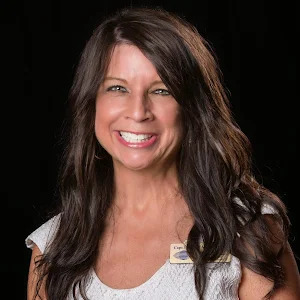
David Kennard is the executive editor of the Greater Fayetteville Business Journal.





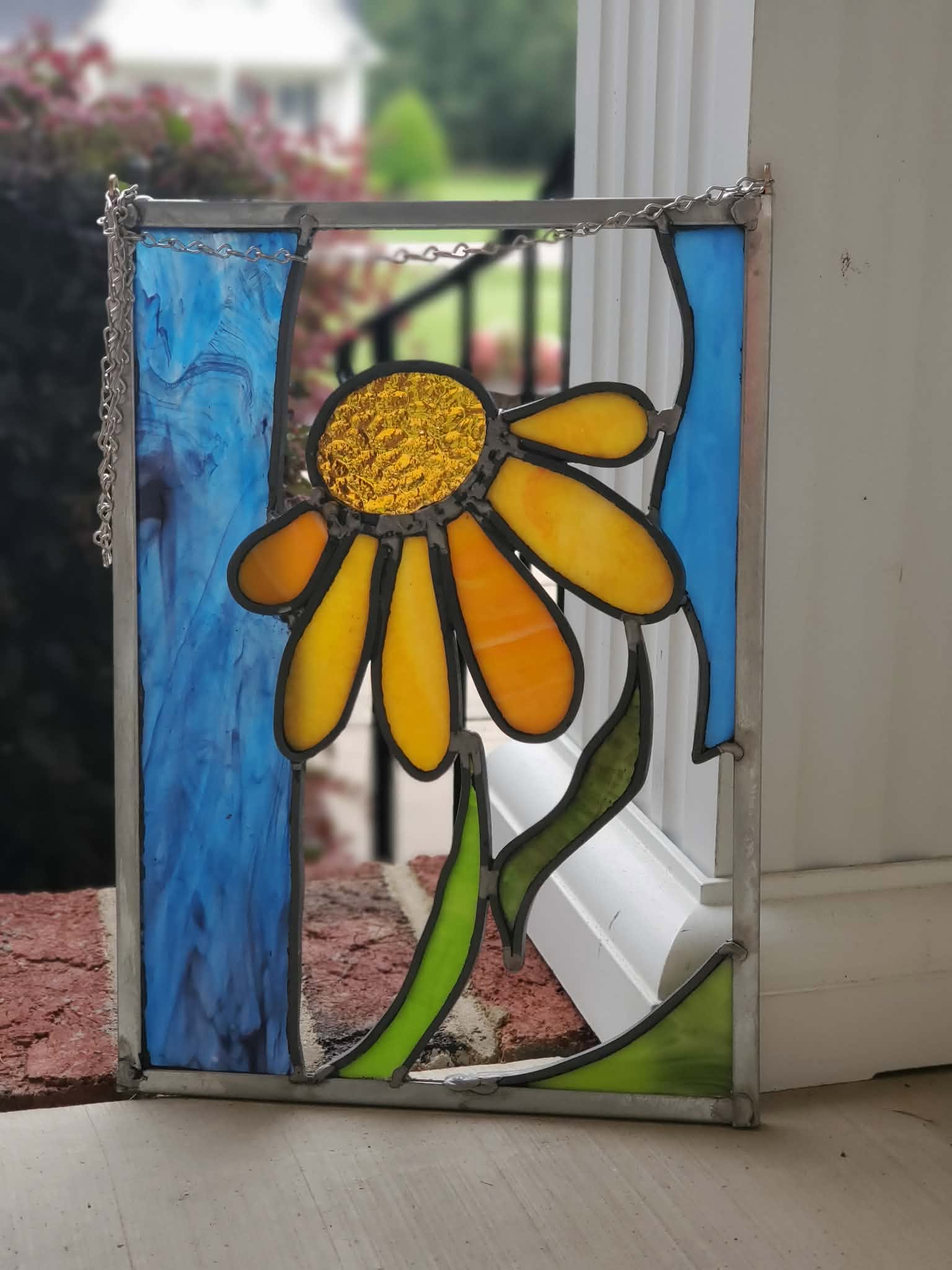
Cindy Akers-Gilford creates stained glass, fused glass, mosaics, handmade glass jewelry, pendants, suncatchers and other original glass artwork in her studio in Dunn, N.C. Photos provided by Cimply Broken.Self-made Artist and Founder of Cimply Broken
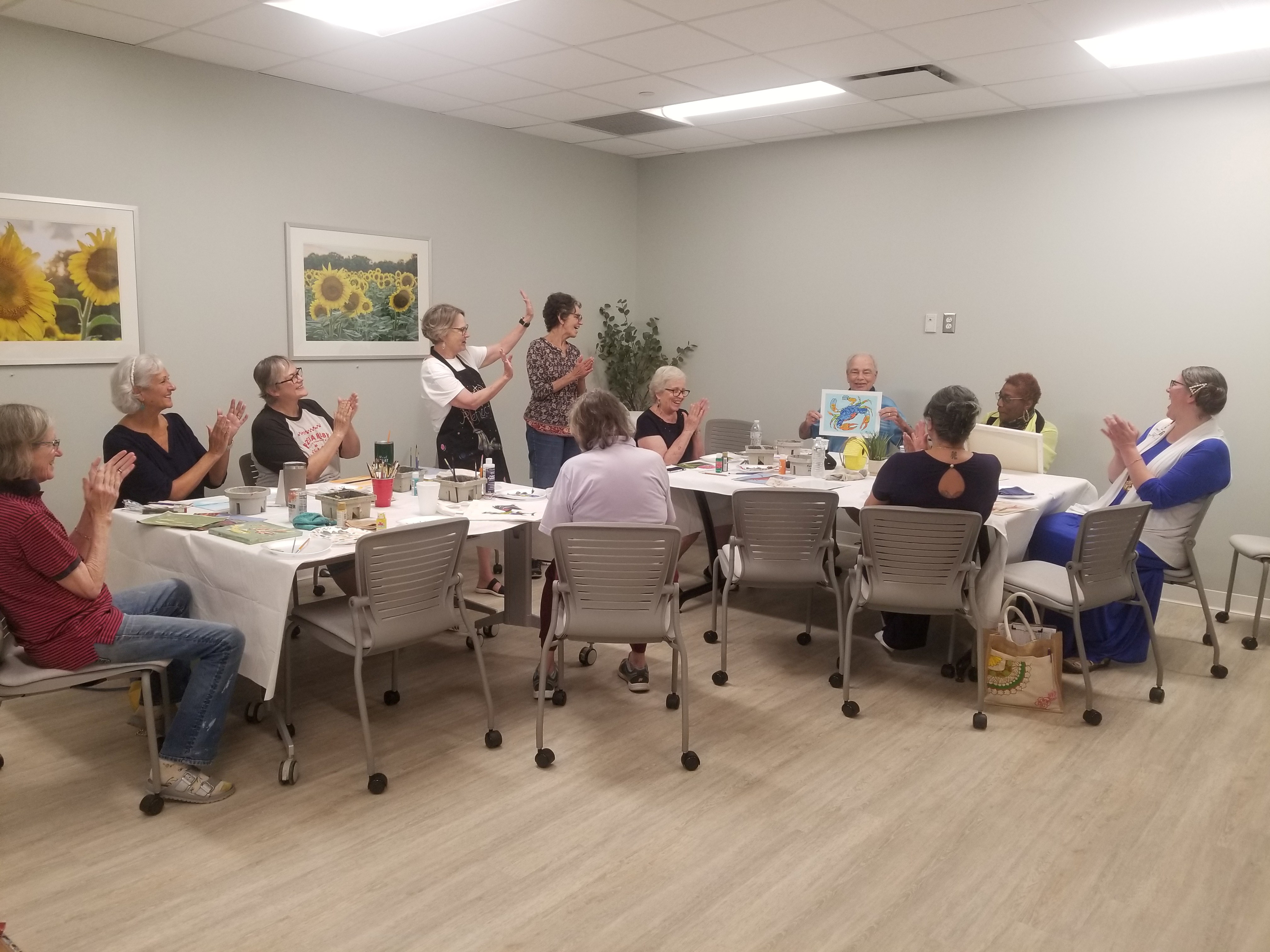
FirstHealth’s art therapy for cancer patients and caregivers helps attendees reduce stress through creative expression. Photo provided by Deborah Yarborough.Group therapy can provide much-needed support and comfort during difficult times, and t
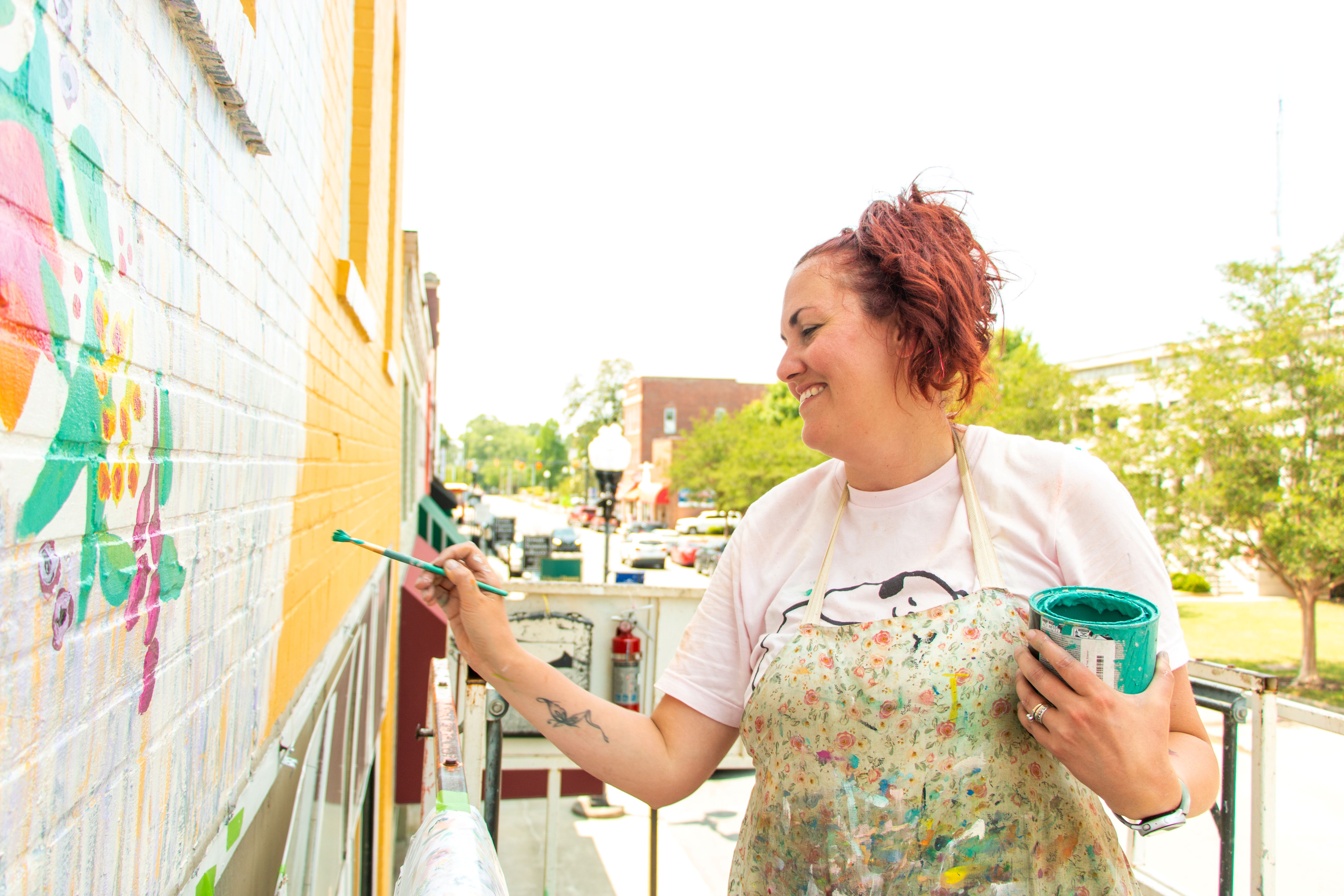
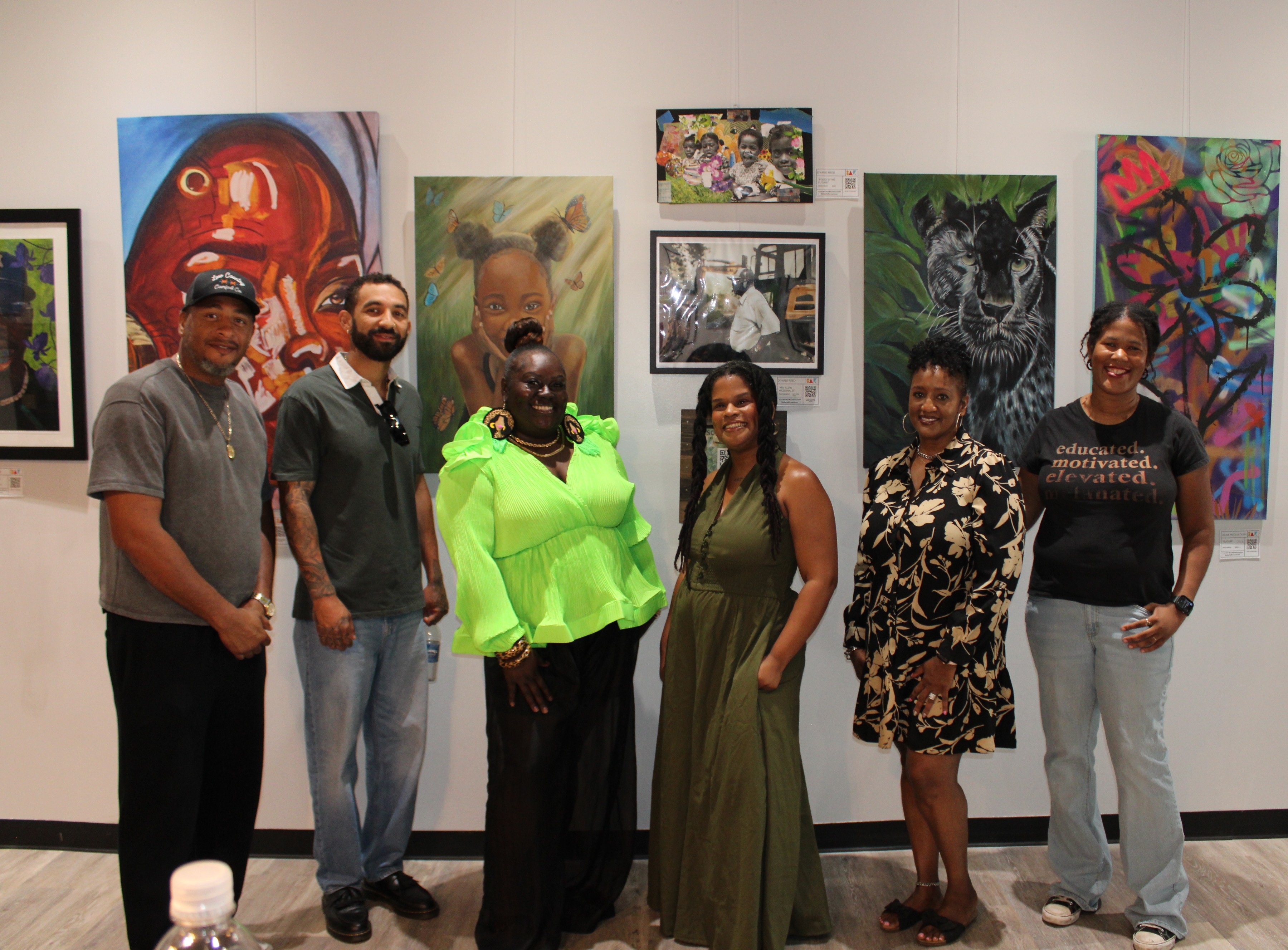
Van Goat Studios, which has been operating since 2019, has allowed Johnson to express herself and reflect the spirit of local communities through murals. Photo provided by Elyse Johnson.Elyse Johnson of Van Goat Studios in Dunn wants to spread her ar