
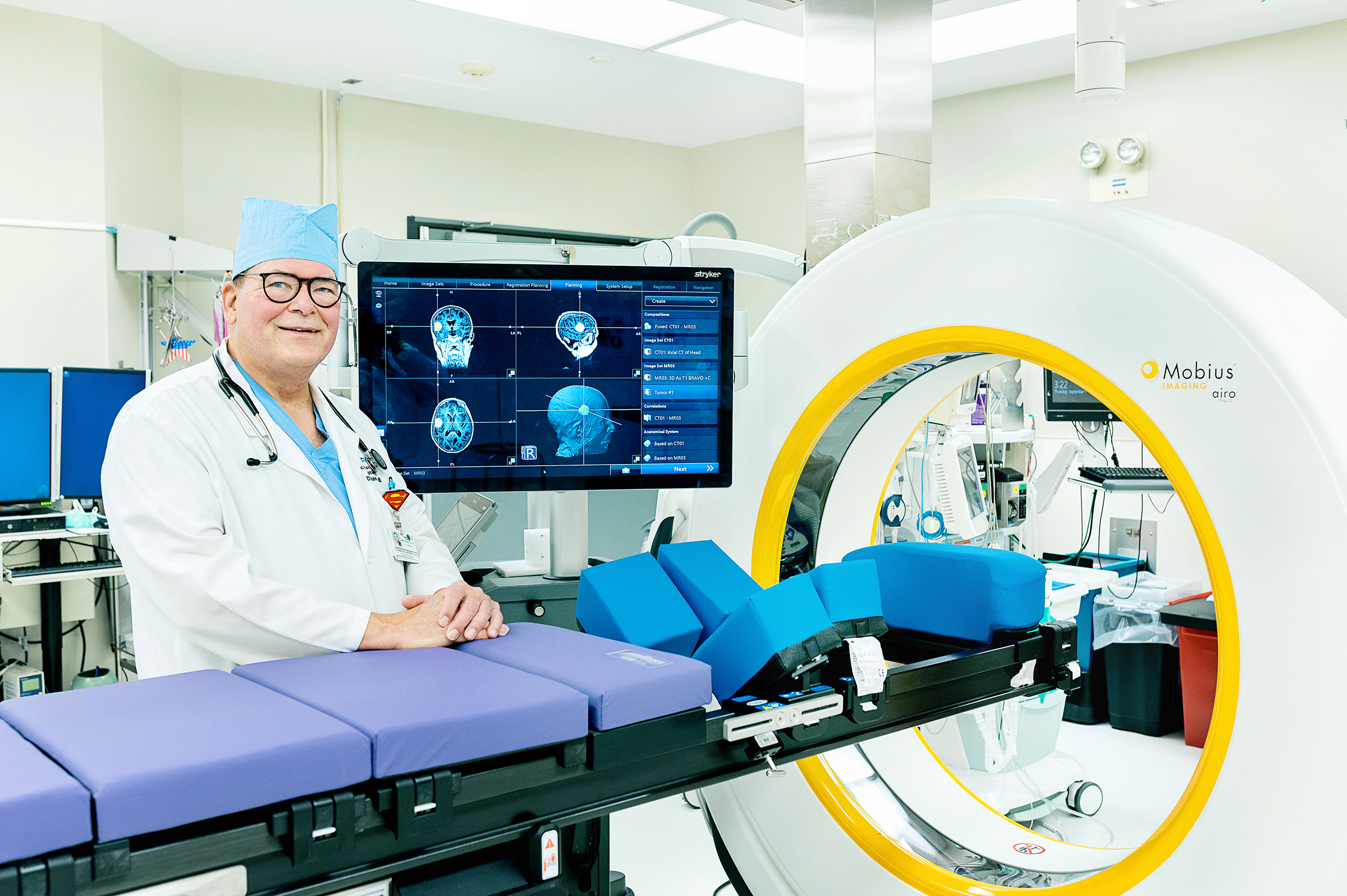
New, cutting-edge technology at Cape Fear Valley Medical Center has made precision in neurosurgery the name of the game.
Cape Fear Valley has recently introduced a Airo TruCT scanner, a state-of-the-art game-changer when performing surgery in the operating room. Computerized Tomography, or CT, scans are a method of making multiple X-ray images of the body or parts of the body. The new scanner provides diagnostic-quality CT images of patients’ brains and spines with unprecedented precision.
“Let's say you were a neurosurgeon, and you wanted to access some part of the patient's brain or spine to do some kind of intervention,” said Director of Neurosurgery at Cape Fear Valley Charles Haworth, M.D. “Once you got there, you could do a much better job if you were in the right place or knew exactly how to get there.”
The scanner’s portability, Haworth said, is a huge plus.
“We're able to do things with confidence now that we weren't able to do even just a few years ago,” he said. “So, it's all right there. We don't use it for every surgery that we do, but by having it portable, we can wheel it into the room. It's much smaller than a conventional CT scanner.”
Haworth used an example of a broken spine procedure where different instruments can help the spine heal in the right place.
“Well, even just sometimes putting the retractors in the spine can make it bob around, or move, or shift because it's broken,” he said. “We can scan you the right way, the way you were at that time. We can recheck our position and correct the position of the spine. The scanner improves the accuracy tremendously.”
Haworth praised the scanner for its increased ease of use. Additionally, he said, the new equipment allows for added patient safety.
“For the first time we can image the brain during surgery. Let's say for example you had a blood clot in your brain, and we wanted to go in there and take it out urgently, but maybe it was kind of deeper, hiding behind some important structures,” Haworth said. “And there's different ways to get to it. We could scan you on the table and then decide what would be the safest way to get to it.”
Haworth said the added efficiency is also a significant boon to both medical personnel and patients alike. Using an example, Haworth said that in prior instances of patients dealing with blood clots, patients would have to return for additional scans before being sent to a recovery room or the intensive care unit. The new equipment allows for quick rescans to look for postoperative complications.
Neurosurgeons and other medical personnel in the operating room also stand to benefit from the new scanner’s increased safety measures.
“One of the things that [the scanner] also did for me was to cut down on the amount of radiation I was getting,” Haworth said. “When I was using a regular X-ray, or fluoroscopy, I was getting a lot of radiation and so were the people that were working with me.”
The new scanner offers a competitive edge to Cape Fear Valley, Haworth said.
“Not all of the hospitals have this. Even some of the bigger hospitals in the Triangle may not have the latest iteration of this device,” Haworth said. “Because we got ours recently, we got the newest version so to speak. The other thing is that we were hoping that as the manufacturer and the vendors come out with other updates to this, there may be things like robotics that we can add onto the scanner.”
Not only does the new scanner provide a technological advantage, but it also brings in added convenience for patients.
“I think it makes us competitive, but it is also my impression that if you wanted to have a procedure done, it would be nice for you to get that done in your own community,” Haworth said. “As a patient, you want to have the reassurance that surgeons and physicians will do a good job. You want to make sure that it's done with some sort of sophistication and safety. I think that if we can assure people of this, the margin of safety will be what people expect.”
Haworth believes the improvements to procedures brought on by the new scanner will continue to build trust between community and medical staff.
“I’d like to think people are finding out that not only do we have good physicians and personal physicians, but that we're using technology daily to do an excellent job and lower the risk of complications and problems,” he said.
In the end, the new upgrades to the hospital’s equipment could also prove to be cost-effective.
“I can assure you that by making smaller incisions, resulting in no nerve injuries and causing less trauma to the muscle, this is saving the hospital system a fortune in terms of injuries,” Haworth said.




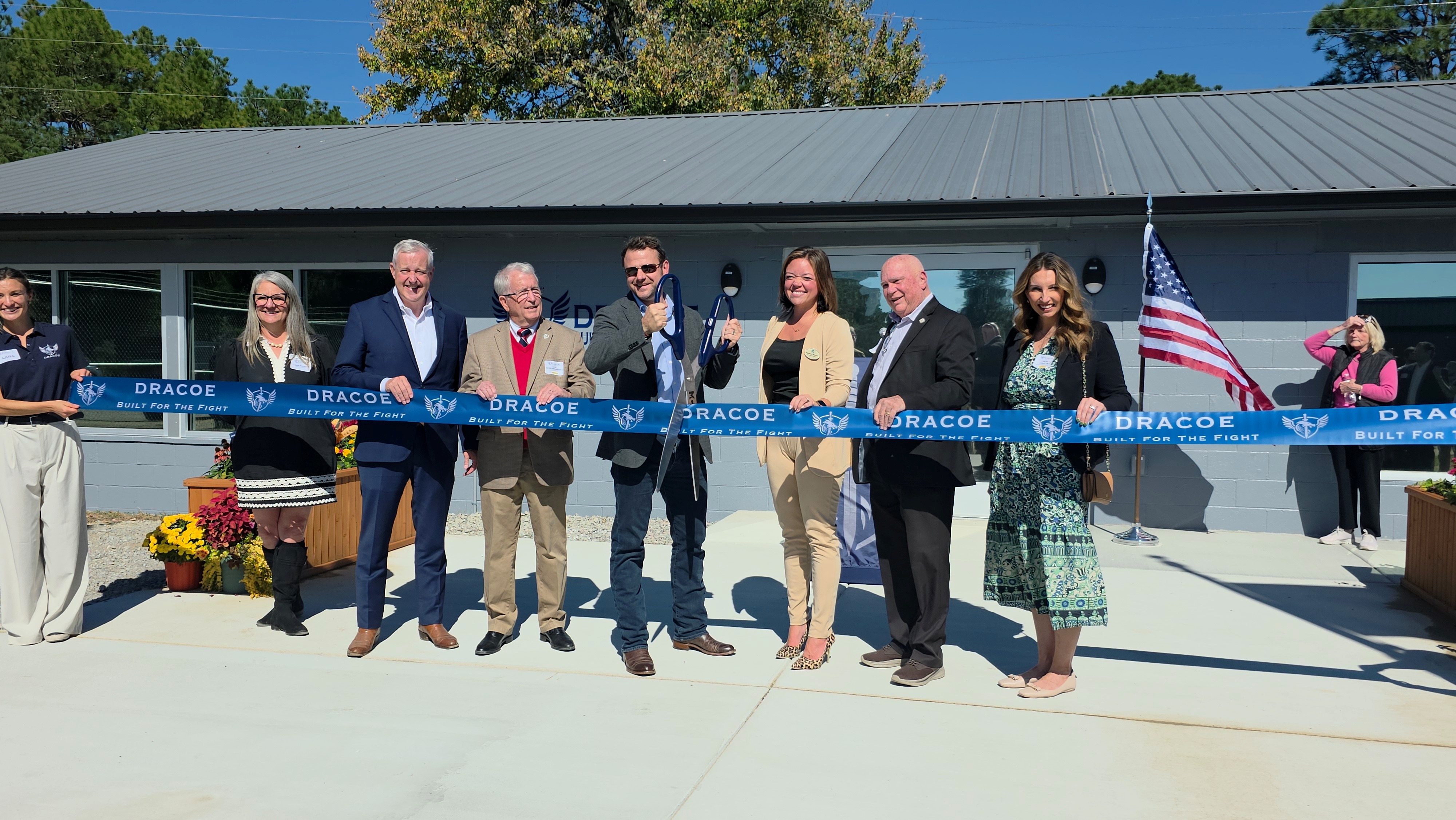

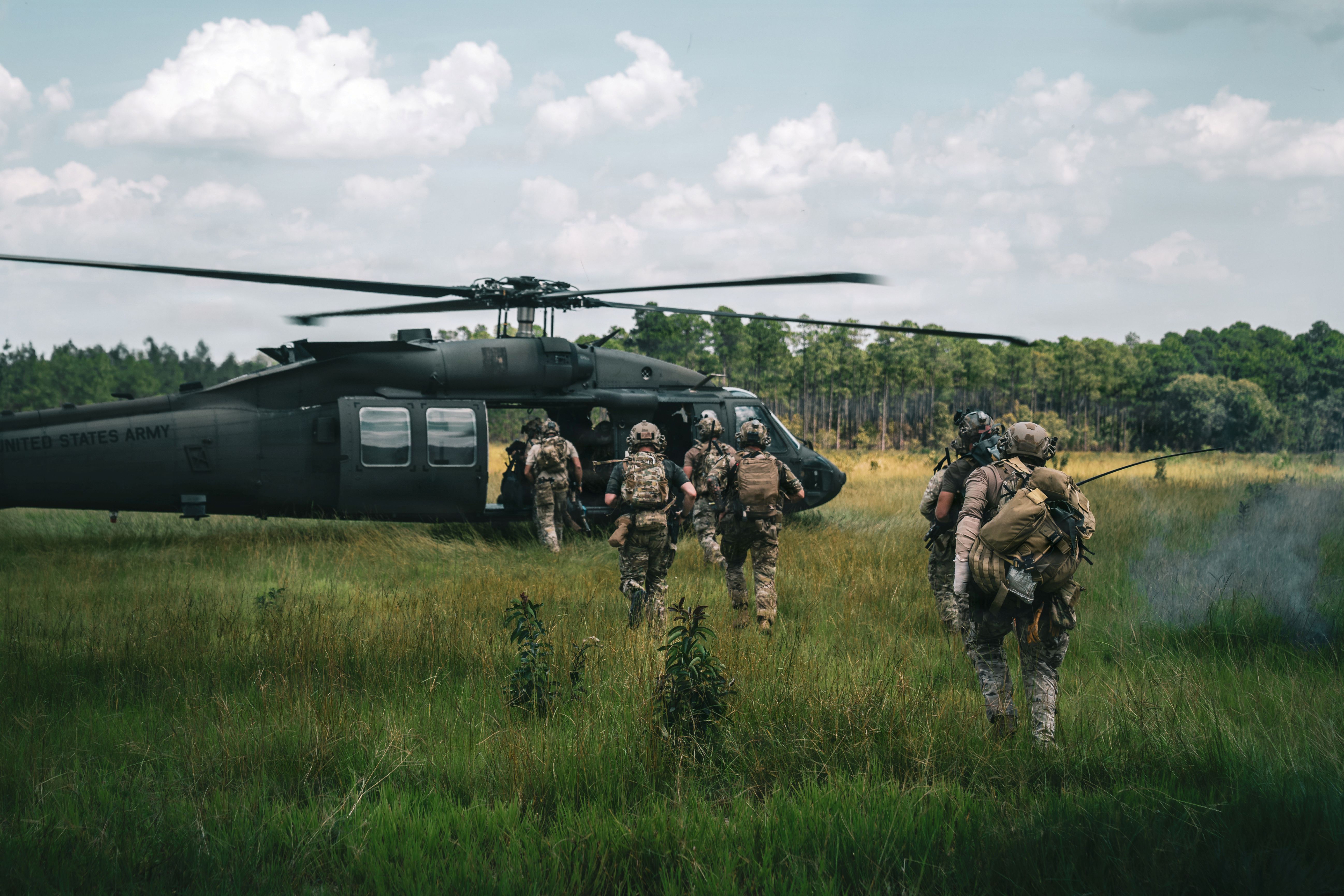
The US Army Special Forces (SF), known as Green Berets because they are awarded a green beret to wear following the rigorous selection and training process, are specialized military units trained to conduct special operations. Photo provided by the G
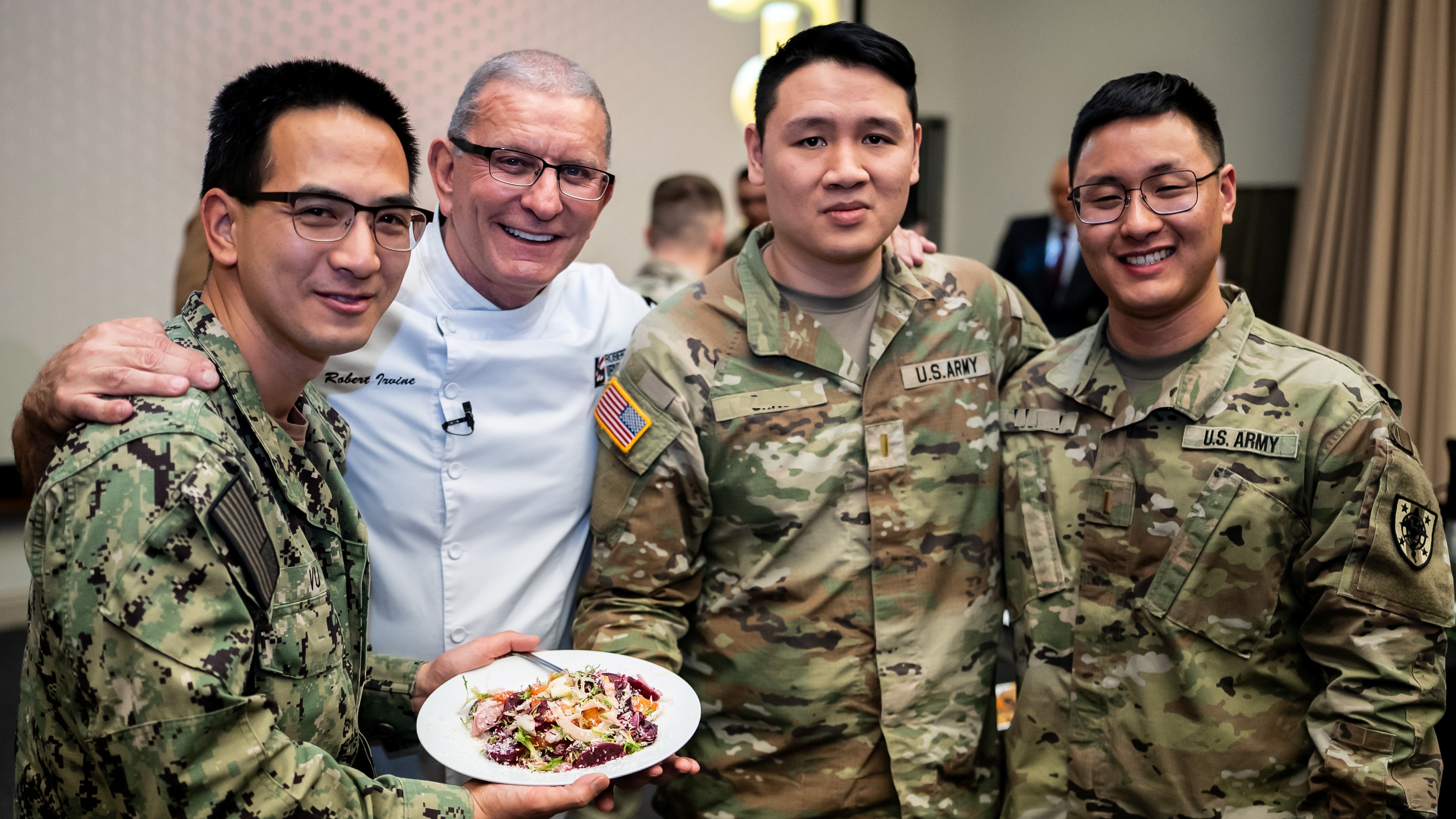
Fuel to Serve will go “beyond the dining hall,” using food and shared meals as trusted entry points to link families with a broader network of resources. Photo courtesy of USAA.USAA and the Robert Irvine Foundation recently announced Fuel to Serve. T

Yes, those are decorations currently in my home. Yes, I may have spent more money than average for two oversized mums that are taking up way too much space on my porch, and yes, I may have stood my ground in a Lowe’s hardware store arguing with my hu