
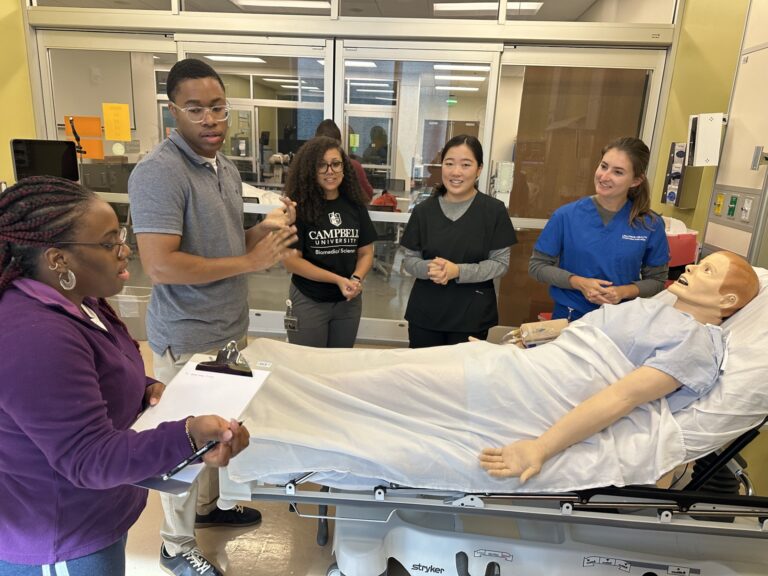
Students in the Master of Science in Biomedical Sciences (MSBS) Program at Campbell University School of Osteopathic Medicine (CUSOM) can now take advantage of a state-of-the-art medical simulation center at the university.
MSBS students, starting in the 2023-24 academic year, are becoming certified in Stop the Bleed, Basic Life Support, HIPAA Compliance, as well as WakeMed’s Rural Trauma Team Development course.
“The certifications provide meaningful experiences in clinical skills and help develop a robust CV and professional school application,” said Sheri Dailey, director of the MSBS program, in a press release.
MSBS students also train in the innovative simulation center, where they complete two simulated clinical case studies.
“Students appreciate the medical simulation case studies and training events that enhance their clinical exposure and add valuable experiences to current medical practices,” Dailey said in a press release.
Students collaborate with a medical team to diagnose a SIM-patient’s condition and take part in four clinical skills training sessions in areas such as ultrasound, intubation and IVs.
The mission and goals of the program are a dedication to preparing students for successful careers in health professions, enhancing each student’s application for their desired health professions program, and a commitment to diversifying the medical field by attracting students from rural areas, low-socioeconomic status backgrounds, as well as underrepresented minorities.
Sidney Briski, an MSBS first-year student, said participating in the sim events helps students solidify their career paths.
“It has been extremely beneficial to have experiences in the SIM center that are similar to a medical student’s experience,” Briski said in a press release. “We have access to the same faculty, facilities/equipment and hands-on skill-building sessions, which help us to become more confident in clinical settings. Having exposure to the SIM center solidifies my desire to go into a medical profession.”
MSBS students take courses taught by medical school faculty, which mirrors a first-year medical school experience and exposes them to the rigor they may find in a professional school. The program also encompasses professional development, standardized test prep, community service, medical mission opportunities, non-curricular enrichment sessions, personalized guidance and advising and clinical experiences.
“CUSOM provides a unique opportunity for MSBS students to engage with the SIM center,” said first-year MSBS student Sheevanie Casimir in a press release. “There, we can see applications of clinical cases, learn clinical skills, and simulate patient-provider interactions. It will prepare us for our time in healthcare.”
The addition of these certifications and medical simulations is one more way the MSBS program is focused on helping students become competitive, well-rounded applicants for medical and other health professional schools.



Join us Sept. 29 for our third Power Breakfast of 2026 as business leaders share how they leverage decades of institutional wisdom. The Greater Fayetteville Business Journal invites you to join us for our third quarterly Power Breakfast, The Fam
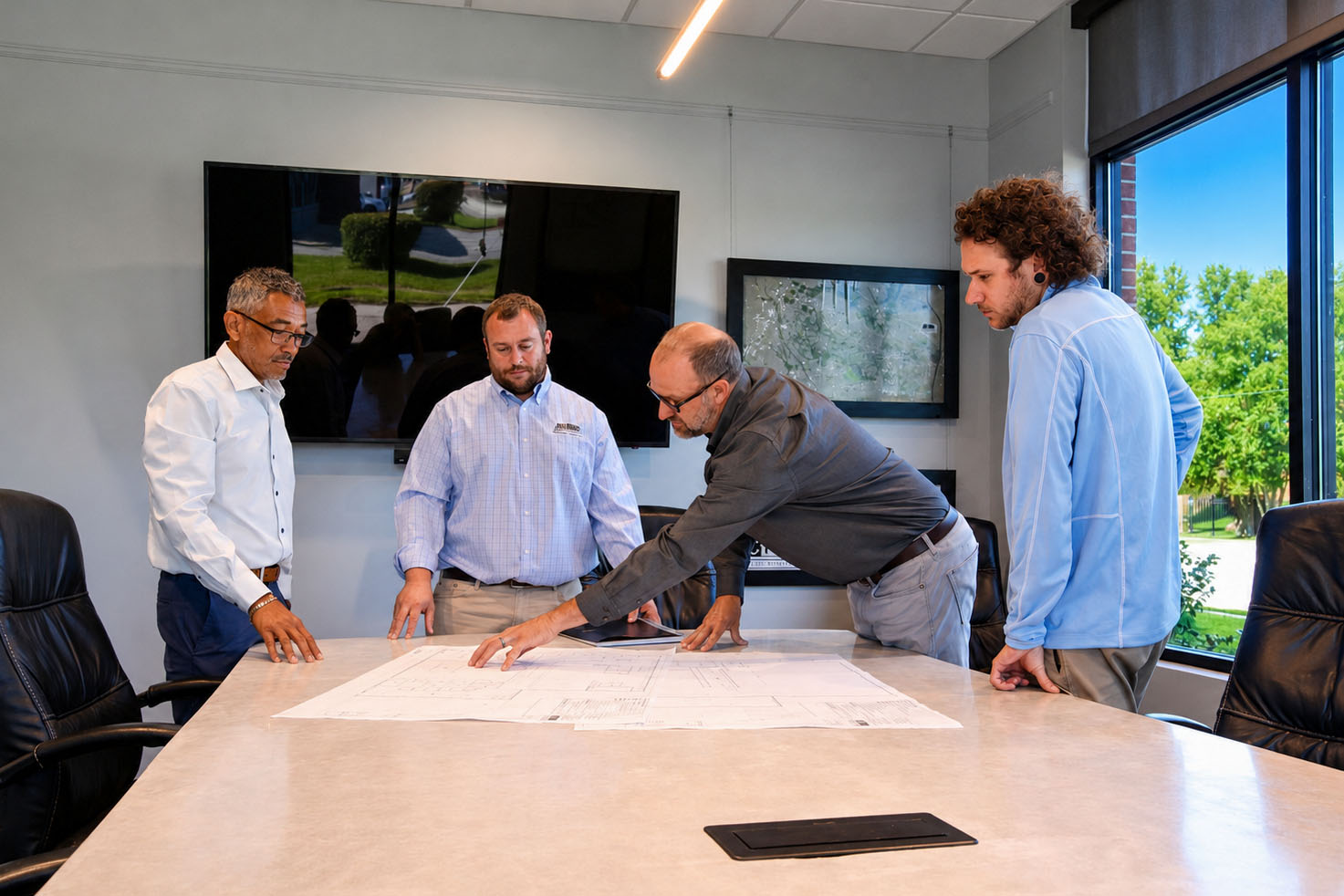
Skyeton leadership have decided to look locally for a general contractor to head up major renovations for the 28,479-square-foot building they’ve selected as their new home. Fayetteville-based Critical Path Solutions LLC has been chosen as the primary contractor for bringing new life to the previous Black+Decker plant site.
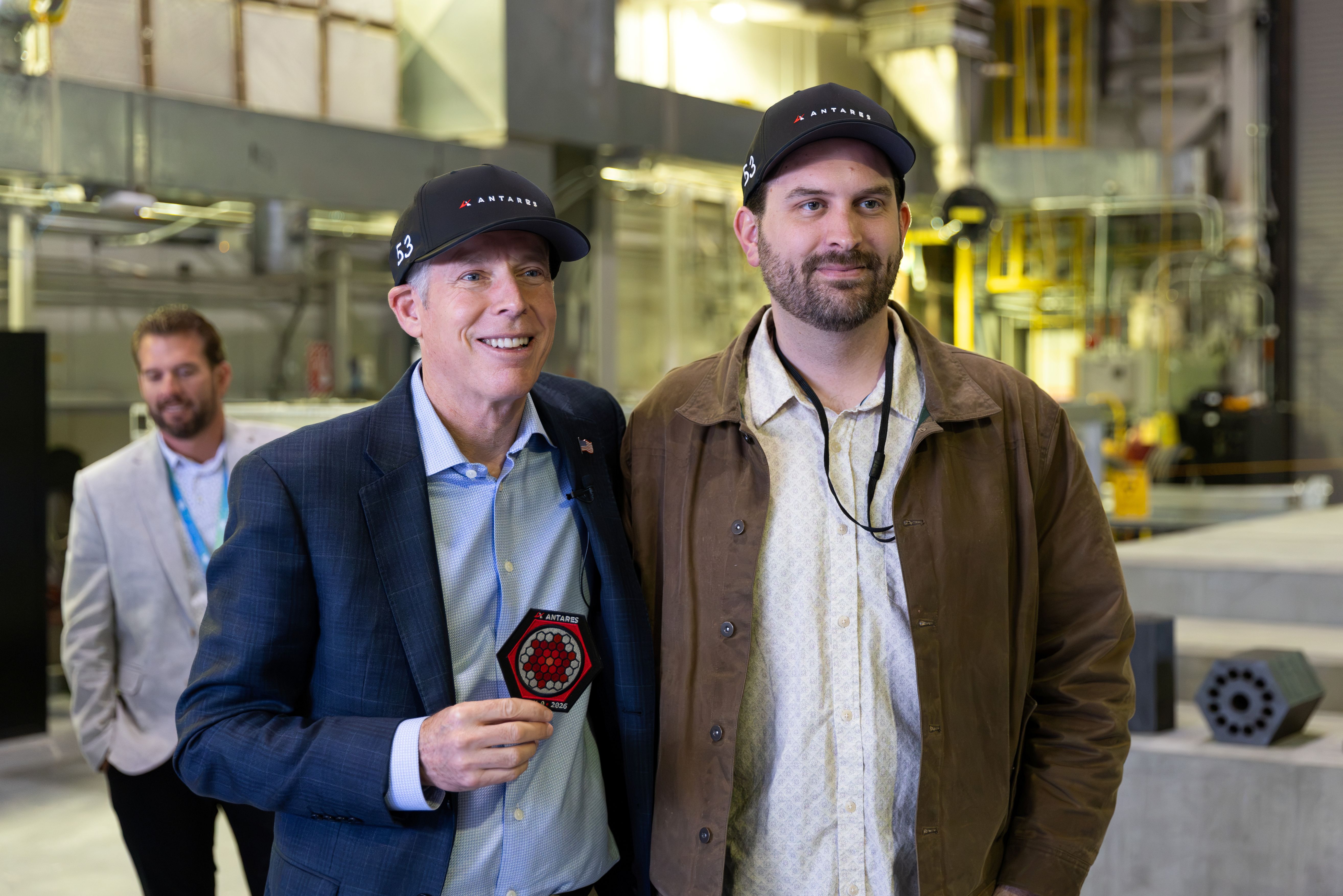
From left to right: US Secretary of Energy Chris Wright with Antares Co-founder and CEO Jordan Bramble. Photos courtesy of Antares Nuclear, Inc. Antares Nuclear, Inc. recently announced that it has been awarded an Other Transactions Authority ag