

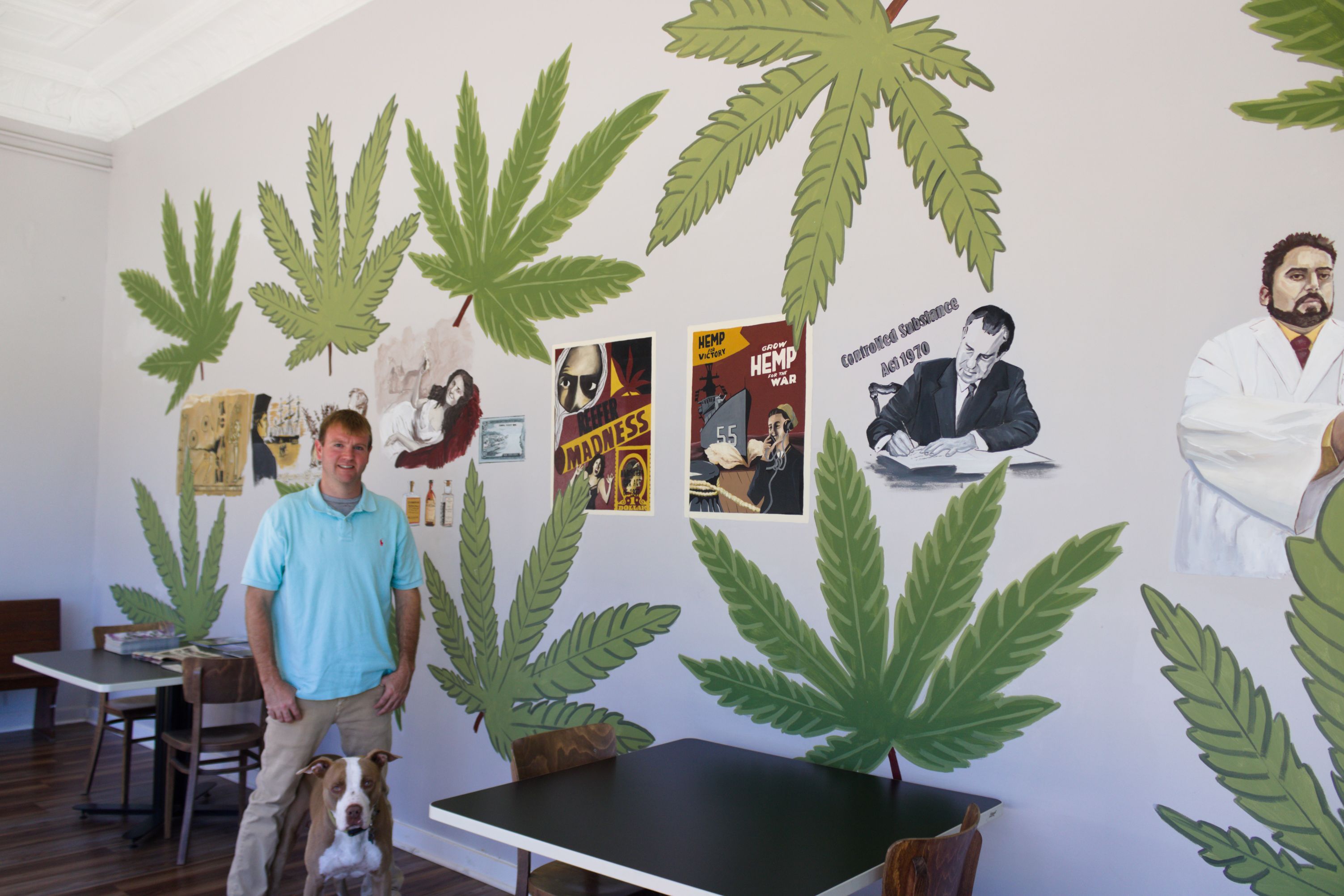
Business owner Keith Dunn grew up on a family farm in Dunn, North Carolina, where they traditionally grew crops like sweet potatoes, cotton, corn and tobacco. However, nearly a decade ago, he became interested in a new cash crop–hemp.
Dunn was one of the first hemp farmers in North Carolina, obtaining a license during the initial pilot program under the NCDA. He began growing hemp in the summer of 2017 and established his business East Coast Hemp Supply just a few weeks after the seeds were planted.
Hemp is a versatile and sustainable crop. Every part of the plant can be used.
The flower is used in producing products such as oils, tinctures and the well-known cannabinoid and CBD products.
The seeds are used in food and contain vital nutrients like proteins and omega fatty acids. Hemp seeds can be eaten whole, used to make flour, turned into protein powder and turned into non-dairy milk. The oil extracted from hemp seeds is also valued for nutrition and as an ingredient in products like soap and paints.
The outer layer of the stalk can be used for textiles such as hemp clothing and towels, fabric blends and industrial non-woven materials. The inner, woody core is used for animal bedding, pulp for paper, biodegradable plant-based plastics and even compostable utensils and straws.
Hemp products are numerous, and Dunn’s store is an example of the expansive applications hemp has across industries. Located at 114 W Broad St, Dunn, N.C., East Coast Hemp Supply sells utensils, fabric, clothing, shoes, towels, soap, animal bedding, insulation, wood, pet products, snacks and drinks, all made with hemp. They do sell some CBD products as well, but Dunn is focused on educating consumers on the vast ways in which hemp can be used beyond cannabinoid products.
“I'm a firm believer that if we can educate the public of all of the different products that can be made from hemp, then we can help boost the demand for those products, and if we can get the demand up for those products, that will justify building the processing facilities and factories here in North Carolina, or even just domestically here in America. And if we can justify building the factories by increasing the demand through education, then the farmers will have an end buyer, and then they'll be justified to grow it at scale, commercially. We're just trying to connect the dots and build this industry here in America,” shared Dunn.
The hemp industry’s growth in the United States is being held back by several key obstacles including a lack of local processing infrastructure, making it difficult for farmers to find reliable end buyers, and decades of prohibition, which have left a lingering stigma and created a need for more public education about hemp’s broad utility beyond recreational cannabis.
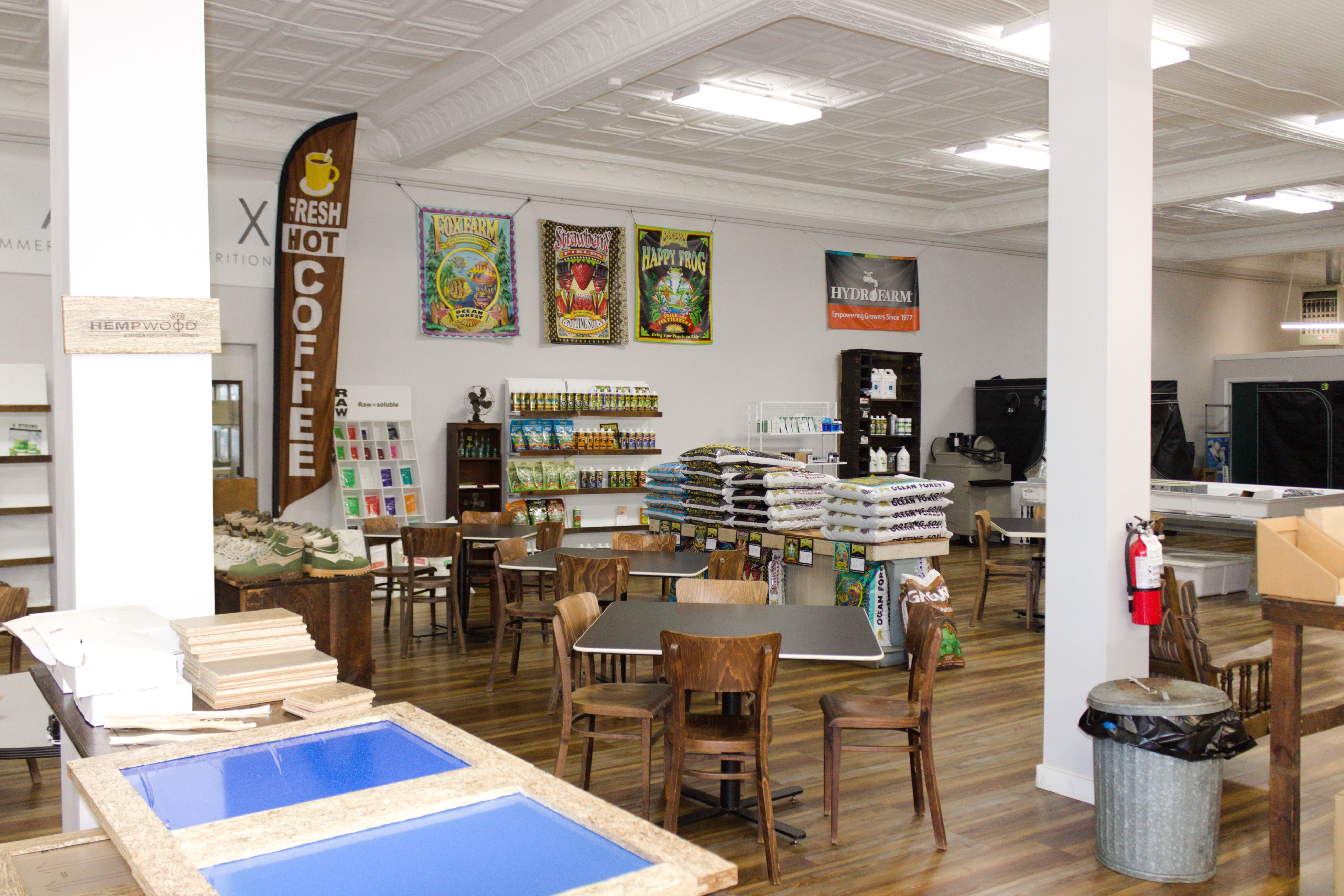
Regulatory barriers, such as strict THC limits and inconsistent policies, also add uncertainty. Additionally, ongoing research and the development of regionally-adapted hemp genetics are needed to optimize crops and yields for American farmers. Together, these issues have slowed the broader adoption and expansion of the hemp industry.
“Without the processor, we’re left to resort to importing from other countries. So right now, we’re importing a lot of the fiber for textiles, and we’re importing the finished goods, the clothing from other countries, until that is brought back domestically,” shared Dunn.
One of Dunn’s long-term goals is to help bring a processing facility to North Carolina to boost the local economy.
“Bringing the factory here in Dunn would create a lot of full time jobs. I’m thinking somewhere around 30 to 50 full time jobs. It would contract 3,000 acres worth of farmers right here within a 50 mile radius of Dunn and bring in about $200,000 tax revenue every month for the community, and it will help build a good foundation for this industry to grow here, domestically,” remarked Dunn.
While the industry has picked up momentum, federal regulations have the potential to derail that progress. The spending bill passed last month to end the government shutdown included a ban on many THC-infused products set to take full effect in November 2026. This provision poses a threat to many hemp farmers, but the value in hemp remains undeniable.
Hemp is a sustainable resource that can be used to manufacture many goods. Businessmen like Dunn seek to educate, demonstrate and innovate within an industry that has the potential to grow by the billions. With people like Dunn paving the way for change, the hemp industry has unlimited potential and promises positive economic growth within North Carolina.



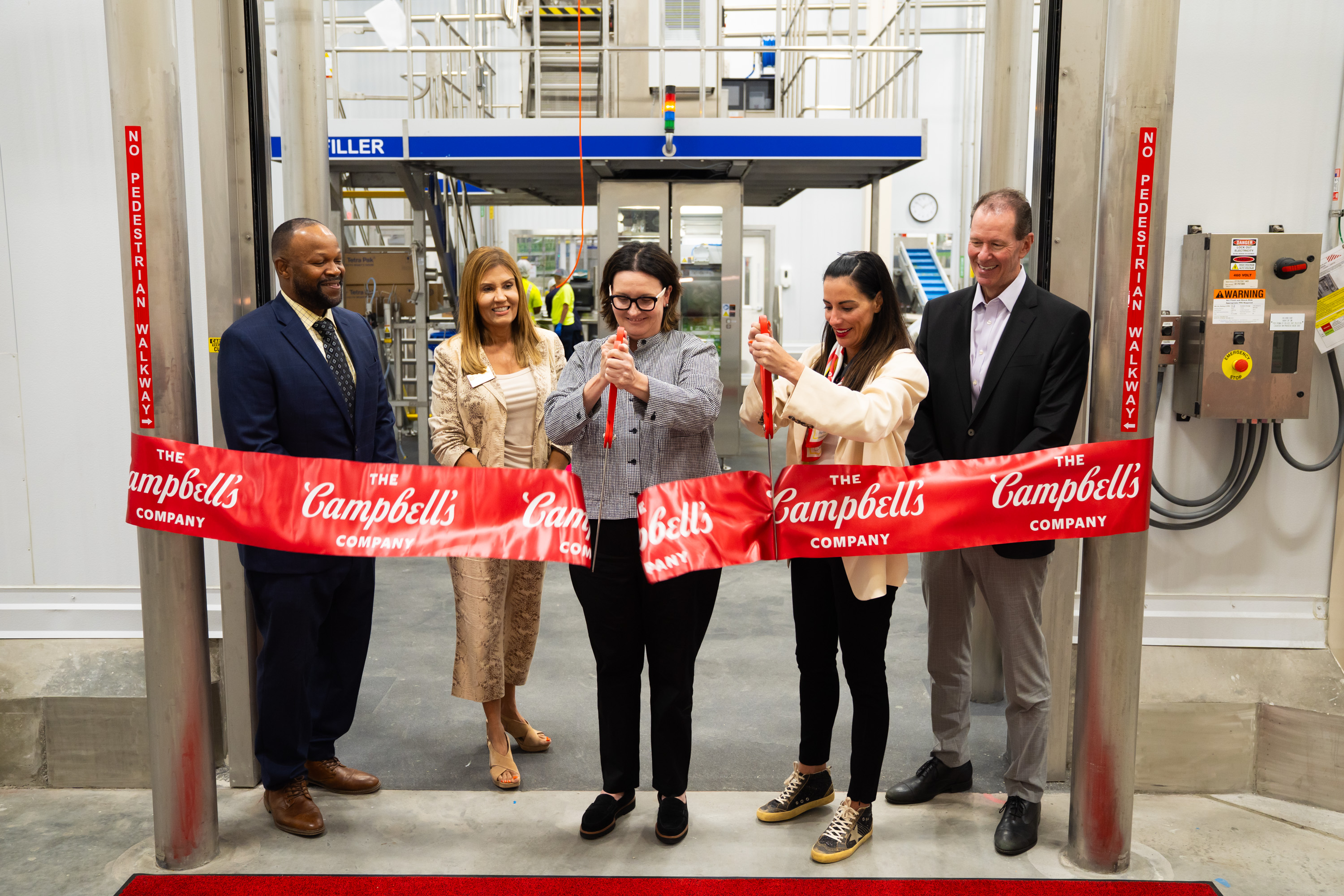
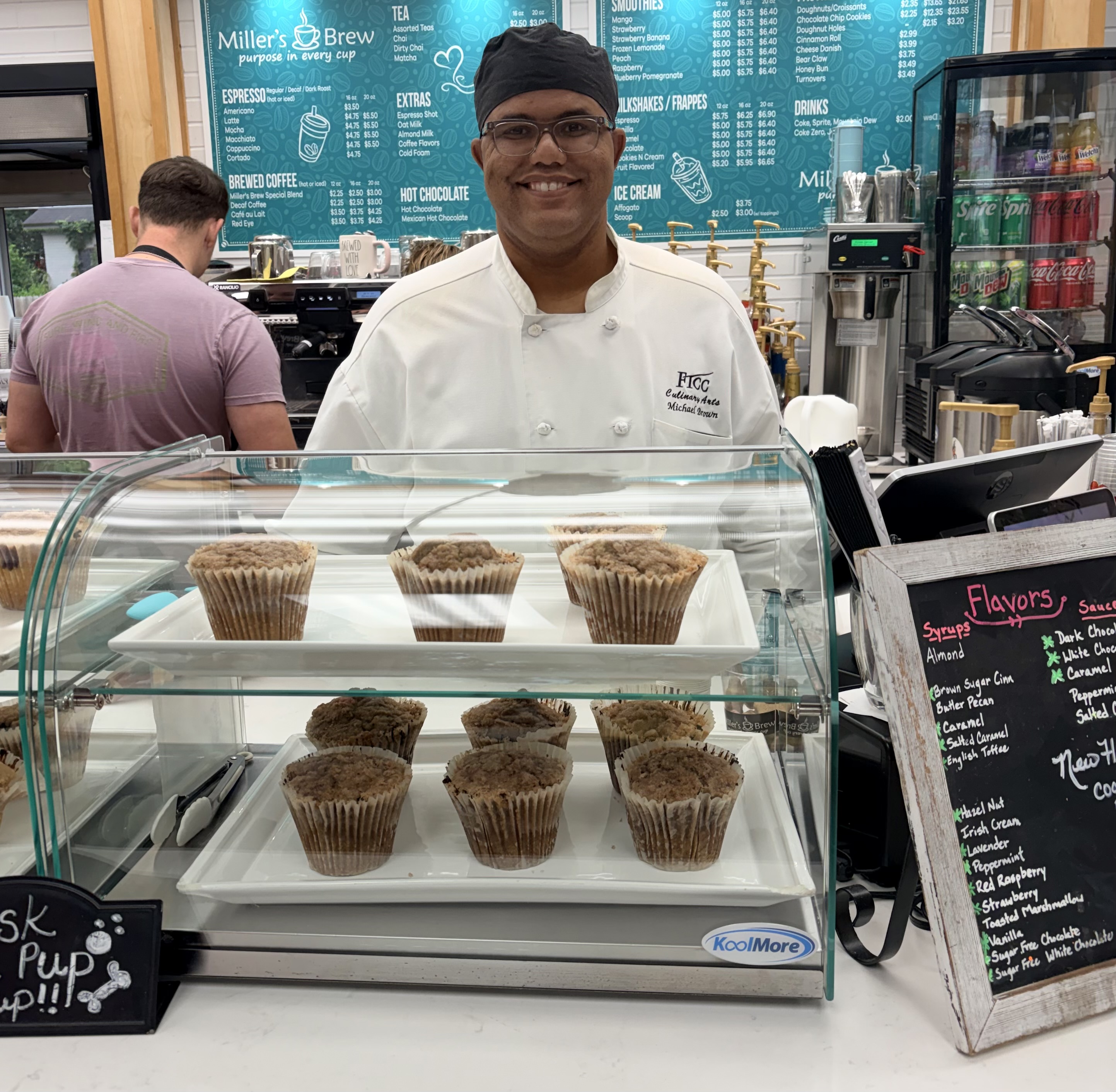

On Monday, June 1, 2026, Tribe members from District 2 and District 15, the districts surrounding the area currently planned for the casino, met for a community meeting.Amidst the glitz and glamour of the idea of a new casino coming to the Lumbee Tri
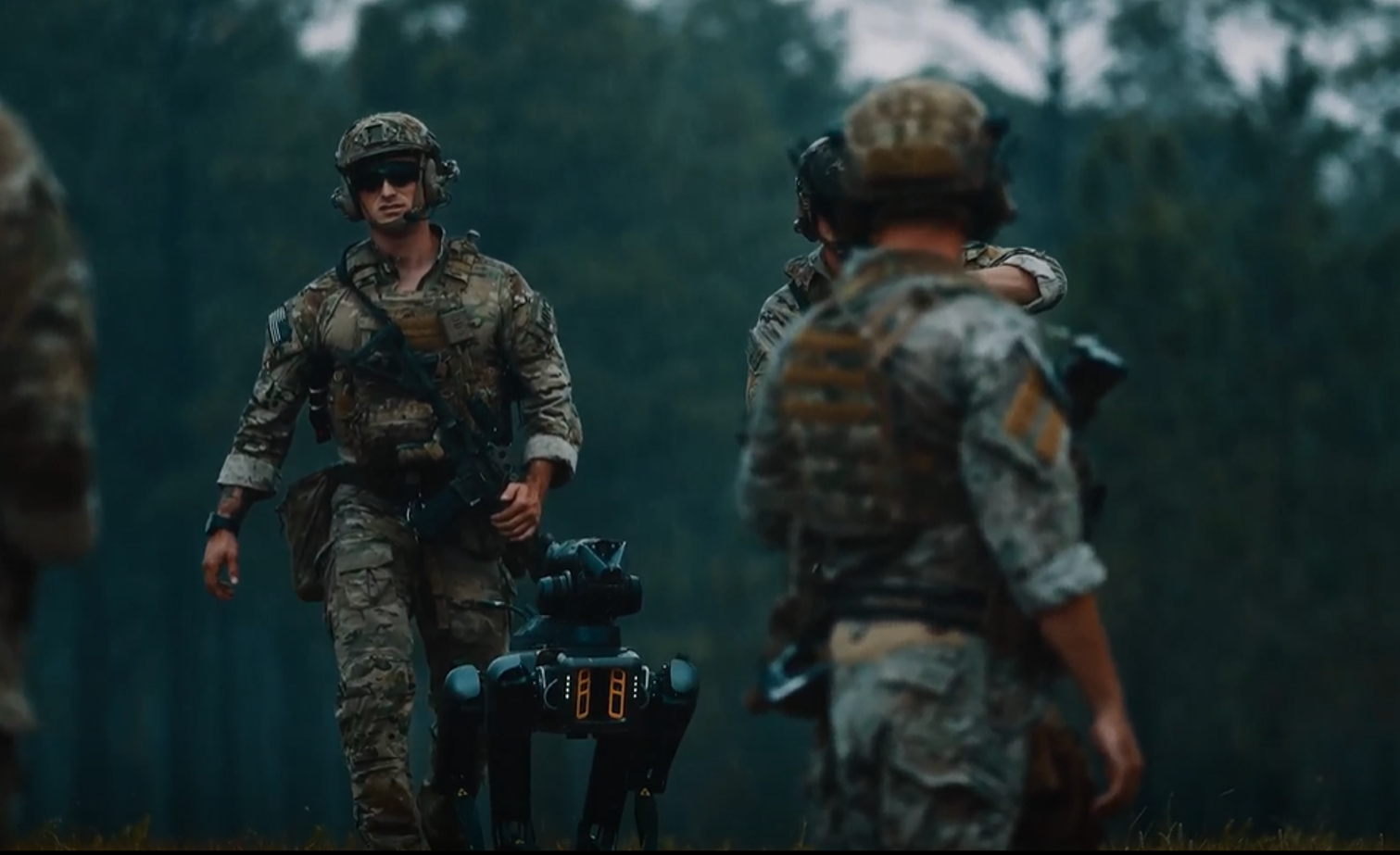
This is the fourth year that ETI has hosted the event, and in years past Freeman has seen a host of innovative technology, including various drone types and programming, robotic dogs, 3D printed houses, and airspace scanners. Photo provided by USSOCO
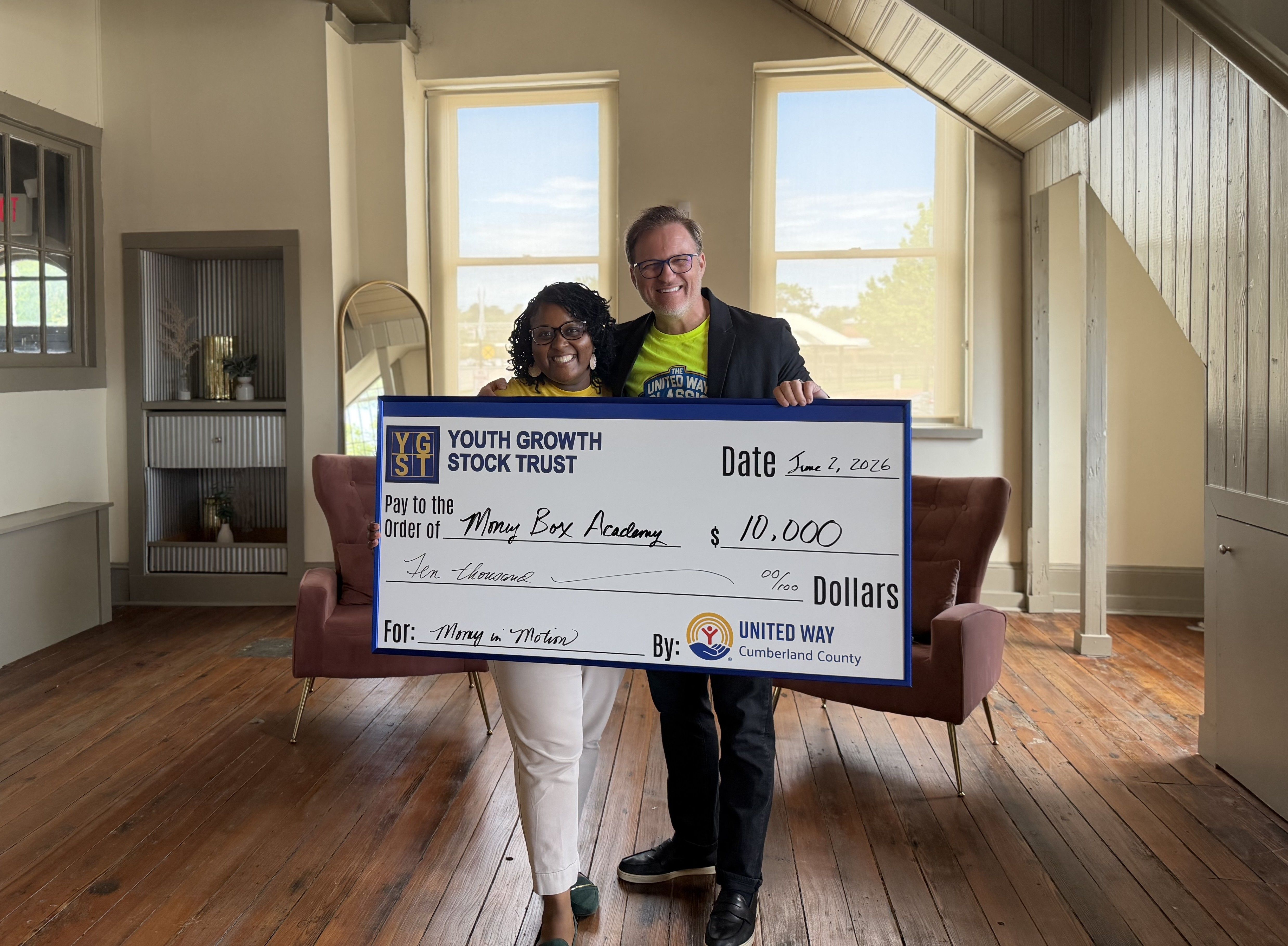
Crystal McLean (left) with Scott Embry (right). Money Box Academy received a $10,000 grant from United Way of Cumberland County’s Youth Growth Stock Trust. Photos provided by Crystal McLean.The Youth Growth Stock Trust Committee, administered by the