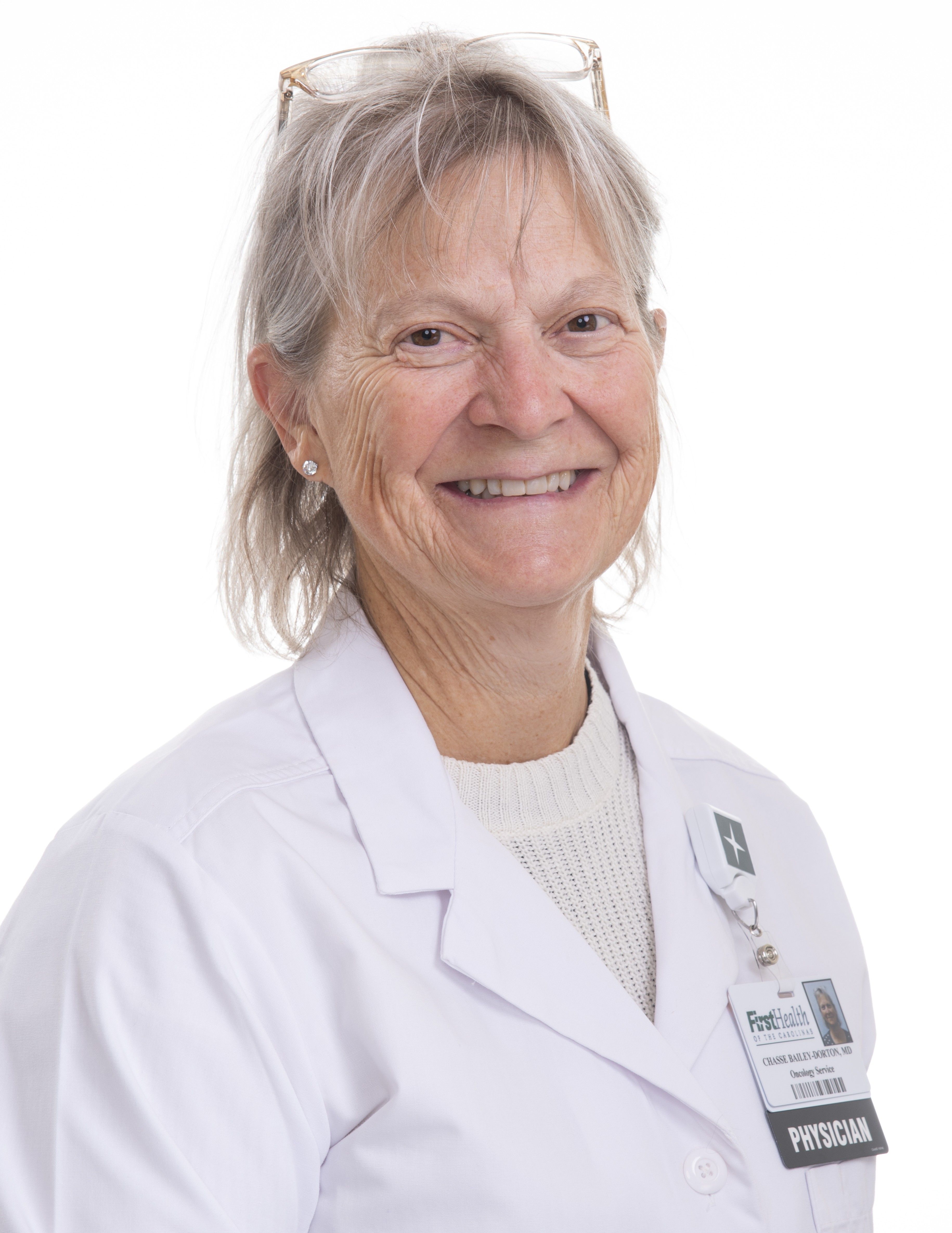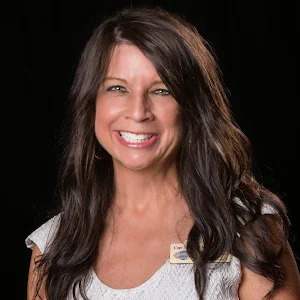
Chasse Bailey-Dorton, M.D., leads the Integrative Oncology and Survivorship Program at the FirstHealth Cancer Center. As an integrative oncologist, she helps patients manage the physical and emotional challenges of cancer treatment.
She’s also experienced those challenges firsthand. Bailey-Dorton was diagnosed with breast cancer at age 39 and went through surgery, chemotherapy, radiation therapy and endocrine therapy. She understands not only the science behind integrative oncology but also what it feels like to navigate treatment, recovery and the search for healing.
How did your cancer journey influence your work in integrative oncology?
Prior to my diagnosis, I provided full-spectrum family medicine care to patients, including obstetrics care and worked in the hospital setting in my hometown in South Carolina. I was drawn to integrative oncology first to help myself and, ultimately, to better help my patients. My experience shifted my focus to the care of cancer survivors. I pursued advanced training in integrative medicine through a fellowship at the Andrew Weil Center for Integrative Medicine in Tuscon, Arizona. I’m excited to see integrative oncology become more mainstream. I know what a game-changer it can be for patients and their caregivers.
What is the Integrative Oncology and Survivorship Program?
FirstHealth’s Integrative Oncology and Survivorship Program offers evidence-informed therapies that complement conventional cancer treatments. We collaborate with each patient’s oncologist, who directs and oversees the primary cancer treatment plan. Together, we help patients manage symptoms, improve quality of life and foster overall wellness.
With integrative oncology, we are trying to optimize health and quality of life. We are thinking about the link between mind and body, so we consider therapies that ease stress as critical to quality care.
Who can benefit from the Integrative Oncology and Survivorship Program?
FirstHealth’s program is available to high-risk individuals for preventative consultation, patients undergoing active cancer treatments and survivors in surveillance phase who want long-term health guidance.
In the past, survivorship has always been described to start at the end of treatment, but we need to start it at the beginning and follow patients all the way through their journey. Cancer treatment is changing. We now have some patients who are never going to be off treatment, and they don't really fit into that prior survivorship model. We want to be there for them to help them lifelong.
What types of therapies are included in the Integrative Oncology and Survivorship Program?
The program provides some of the following:
How can integrative therapies help manage the side effects of cancer treatment?
Research has shown that integrative methods combined with traditional treatments can significantly enhance patient experiences and outcomes. Maybe that looks like art therapy, yoga, music therapy or changes to a person’s diet. We also work with patients to manage cancer treatment side effects like hot flashes, neuropathy and anxiety. With hot flashes, for instance, we know acupuncture can help with that. If someone is dealing with pain, perhaps massage can help. Very often these complementary pieces don’t involve an additional prescription medication.
How can readers learn more?
For more information about FirstHealth’s Integrative Oncology and Survivorship Program, call (910) 715-0998 or visit www.FirstHealth.org/IntegrativeOncology.



The Greater Fayetteville Business Journal is proud to announce our fourth annual Health Care Heroes event! We are excited to join together with some of the region’s core health care institutions and providers and honor our local h
The Greater Fayetteville Business Journal is proud to present the fourth-ever Lifetime Achievement Award to Dr. Matthew Harmody.
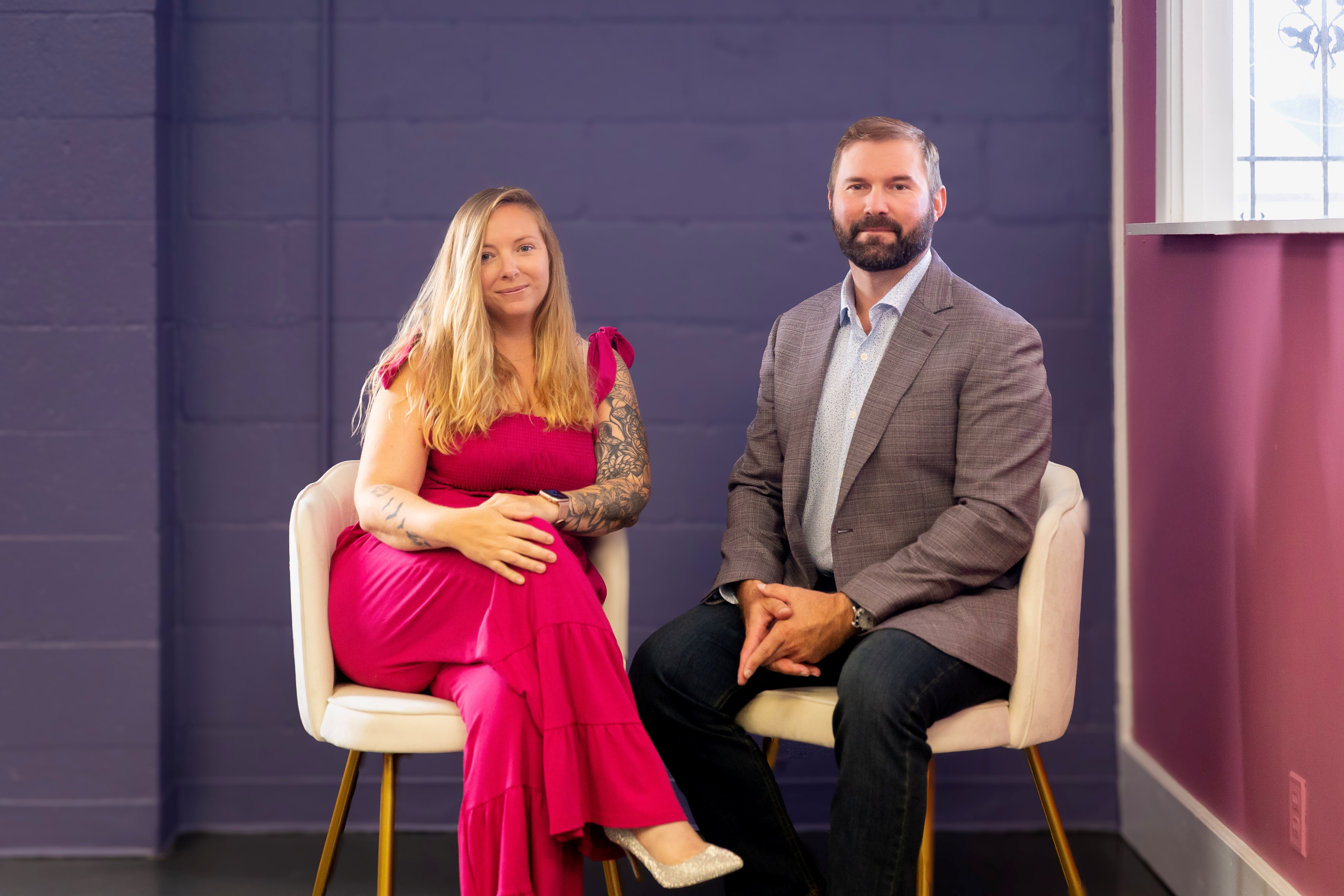
Photo by Samantha MethenyThe Flower Bar is Fayetteville’s first experiential craft and cocktail lounge. Located at 719 Sterling St. in Fayetteville, N.C., The Flower Bar is scheduled to open this December. Co-owners Johanna Brumm and Dennis Bonnema a