Whether to fulfill a core personal and/or business value or to take advantage of cost savings, tax benefits or for potential many other reasons, it’s usually a good idea to choose an environmentally friendly roofing system.
There are four primary options that maximize energy savings, reduce waste and help the environment.
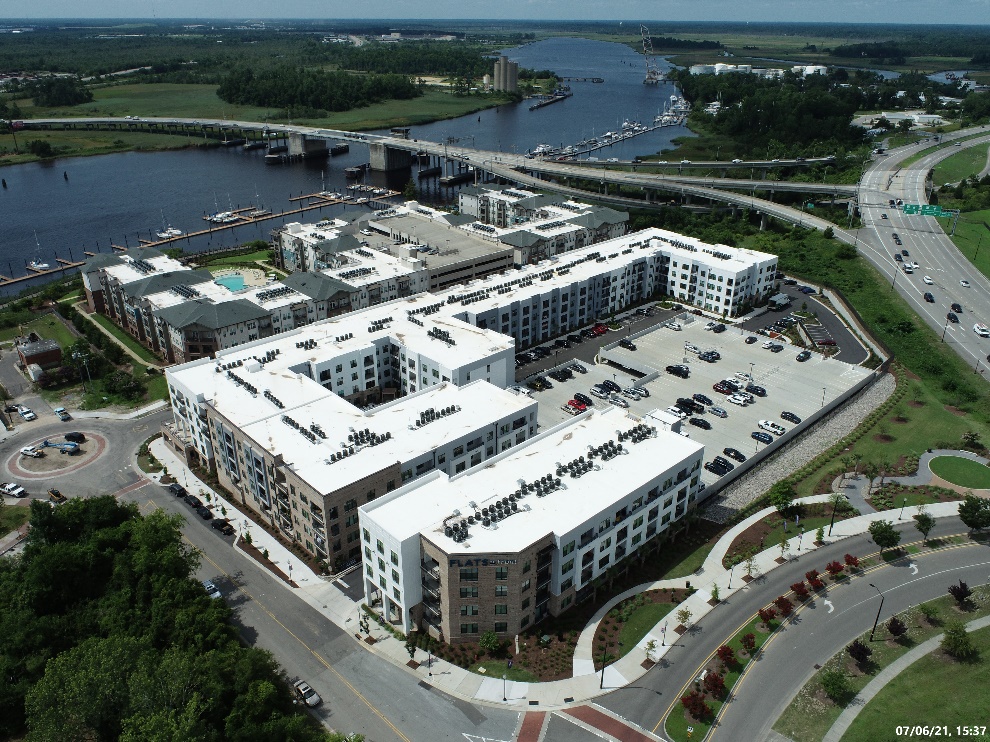
Roofs with white or light-colored membranes are considered “cool roofs” because of their ability to reflect more of the sun’s rays away from the building. In hot places, cool roof systems can help reduce the need for air conditioning in the summer, lowering the building’s electricity bill.
2. Fluid Applied Roofing Systems
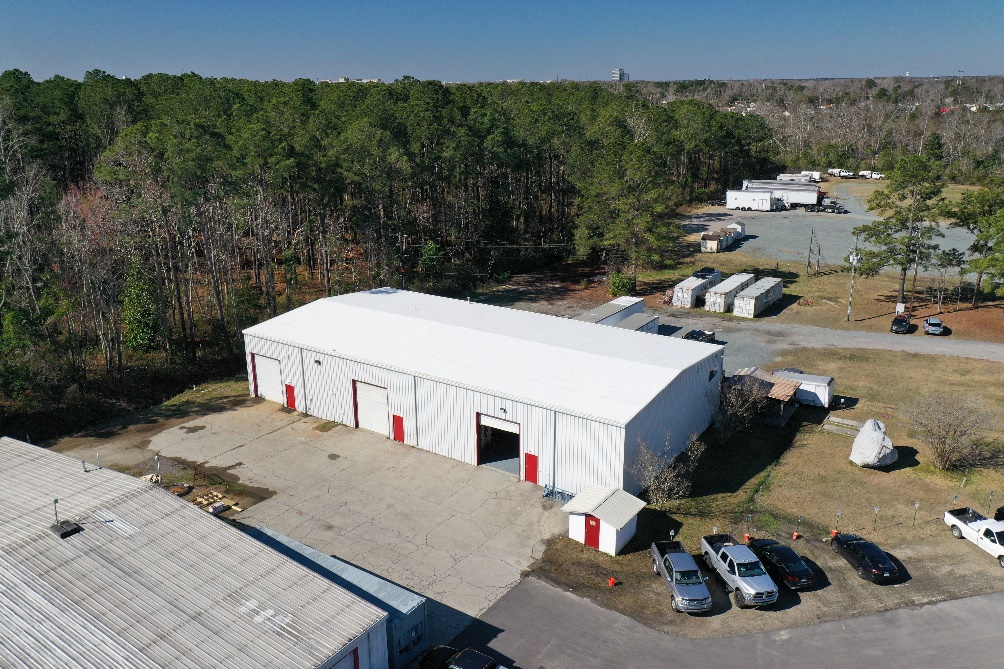
Like membrane roofs, fluid applied roofing systems high in reflectivity decrease the use of air-conditioning and lower CO2 and other emissions from being released into the air. The reflective and emissive properties also help decrease smog formation and respiratory illness.
They are installed be on top of the existing roof system for half or one-third the cost of a complete roof replacement and can extend the life of the existing roof by decades. By avoiding tearing off the old roof, they reduce materials going to landfills.
Duke Energy customers are eligible to receive rebates when installing white membrane and fluid applied roofs that help defray the cost of installation.
3. Metal Roofs
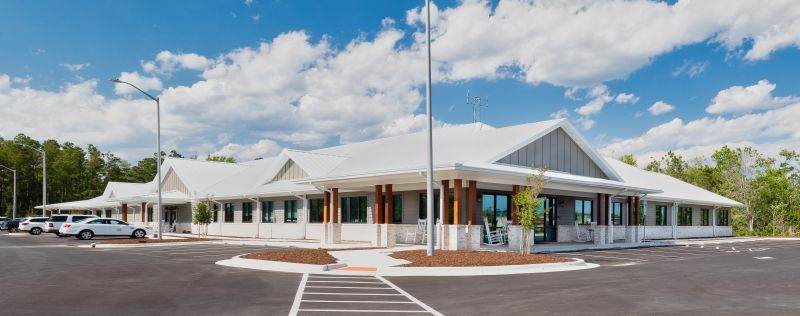
Metal is one of the most eco-friendly materials for roofs. A metal roof made from recycled materials can last up to 60 years, and the material can be re-used again once it is time to replace it. Metal is also reflective, keeping buildings cool in the summertime.
4. Green Roofs
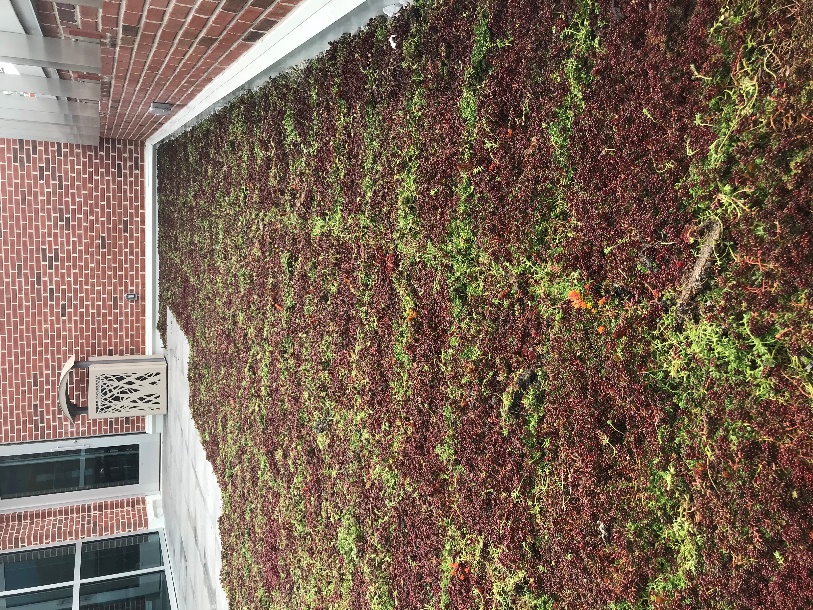
Not only do roof plants help fight climate change, but they also can help moderate the temperature of a commercial building and improve air quality in the surrounding area. Green roofs are ideal for urban areas where there is little other surrounding vegetation.
As an added bonus, companies should consider using the large empty space on their commercial roof to install solar panels to further offset a building’s electricity use. While new roofs can be specifically outfitted to support the weight of solar panels, older roofs will likely need some modification to safely secure panels on the roof. It’s always best to have a professional roofer assist with the installation to ensure the installation doesn’t do any damage.
Author: Chase Williamson, Project Manager
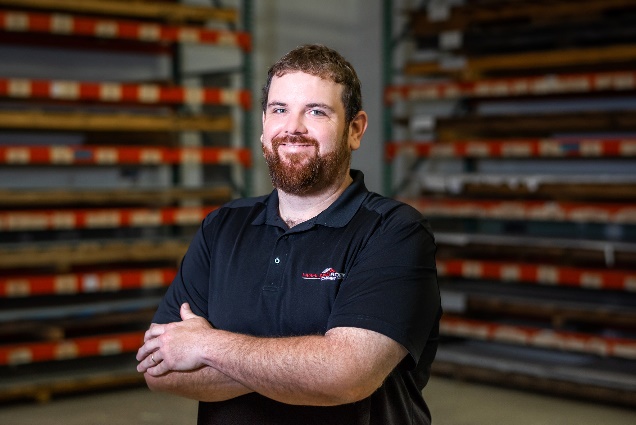
Bio: Chase Williamson is a Project Manager who is responsible for managing new construction and reroof projects throughout the Cape Fear region. Chase has served with Highland for 11 years and is currently the project manager for the Wilmington International Airport, the Alton Lennon Federal Building and the Renaissance Apartments in Wilmington and the Fayetteville Regional Airport in Fayetteville.




The US Army Special Forces (SF), known as Green Berets because they are awarded a green beret to wear following the rigorous selection and training process, are specialized military units trained to conduct special operations. Photo provided by the G
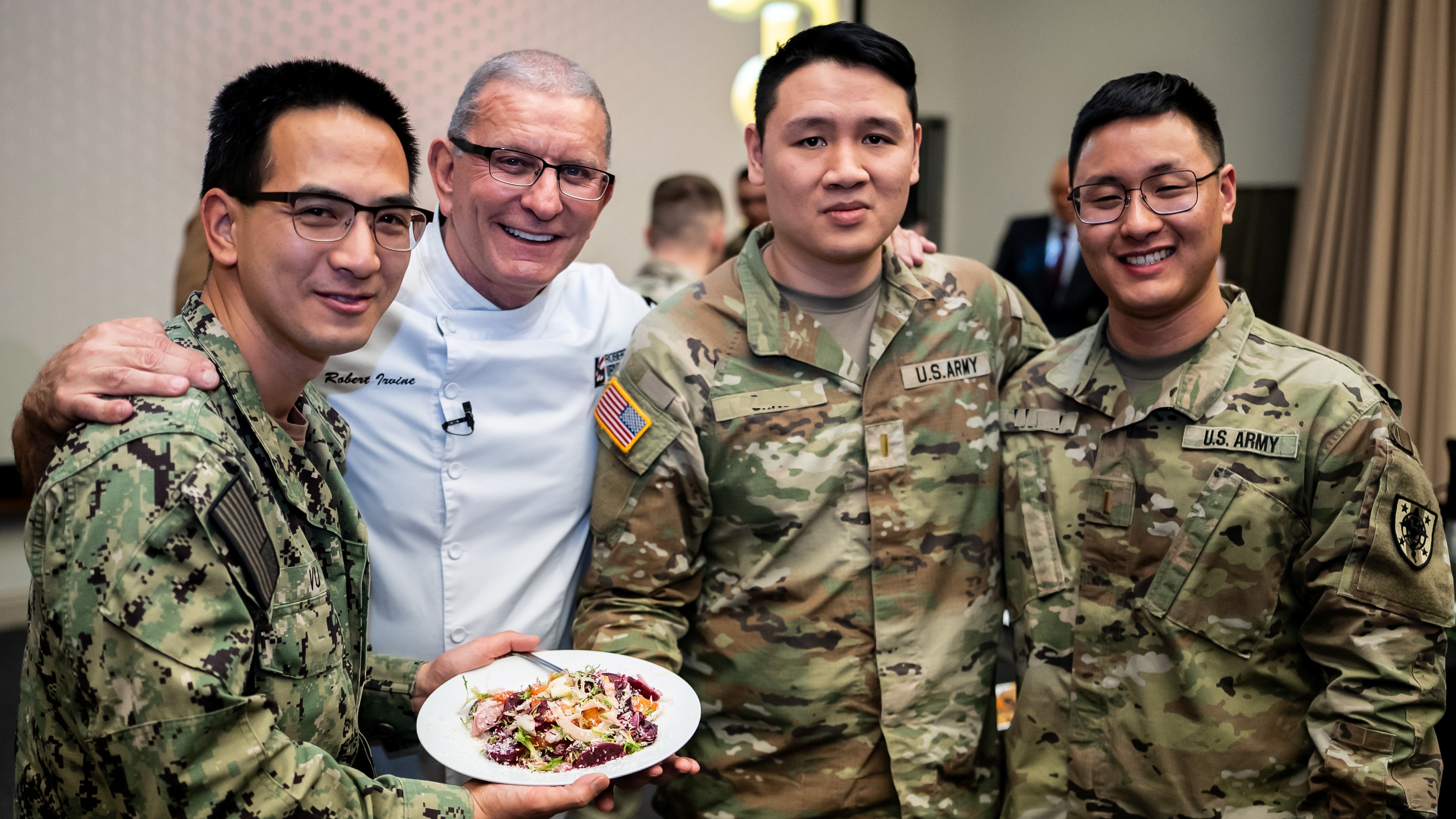
Fuel to Serve will go “beyond the dining hall,” using food and shared meals as trusted entry points to link families with a broader network of resources. Photo courtesy of USAA.USAA and the Robert Irvine Foundation recently announced Fuel to Serve. T

Yes, those are decorations currently in my home. Yes, I may have spent more money than average for two oversized mums that are taking up way too much space on my porch, and yes, I may have stood my ground in a Lowe’s hardware store arguing with my hu