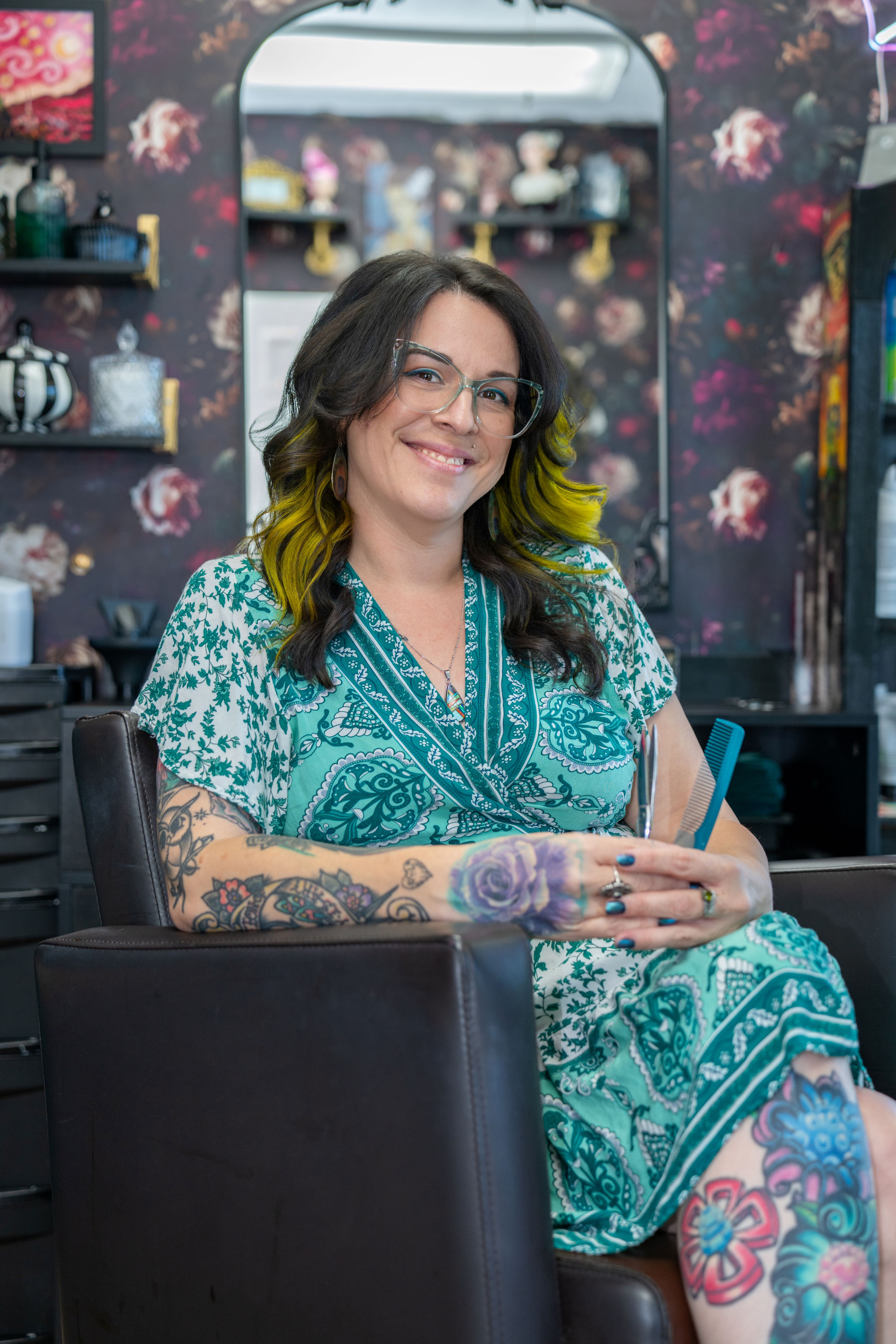
Hair stylist and educator Nelka Robles always considered herself a “colorful” person who enjoys life. Ten years ago, when she was diagnosed with cervical cancer at the age of 31, some of her joy was halted.
A year earlier, she had been diagnosed with three strains of human papillomavirus (HPV), a common viral infection including many harmless strains and some that have a higher risk of progressing to cancer.
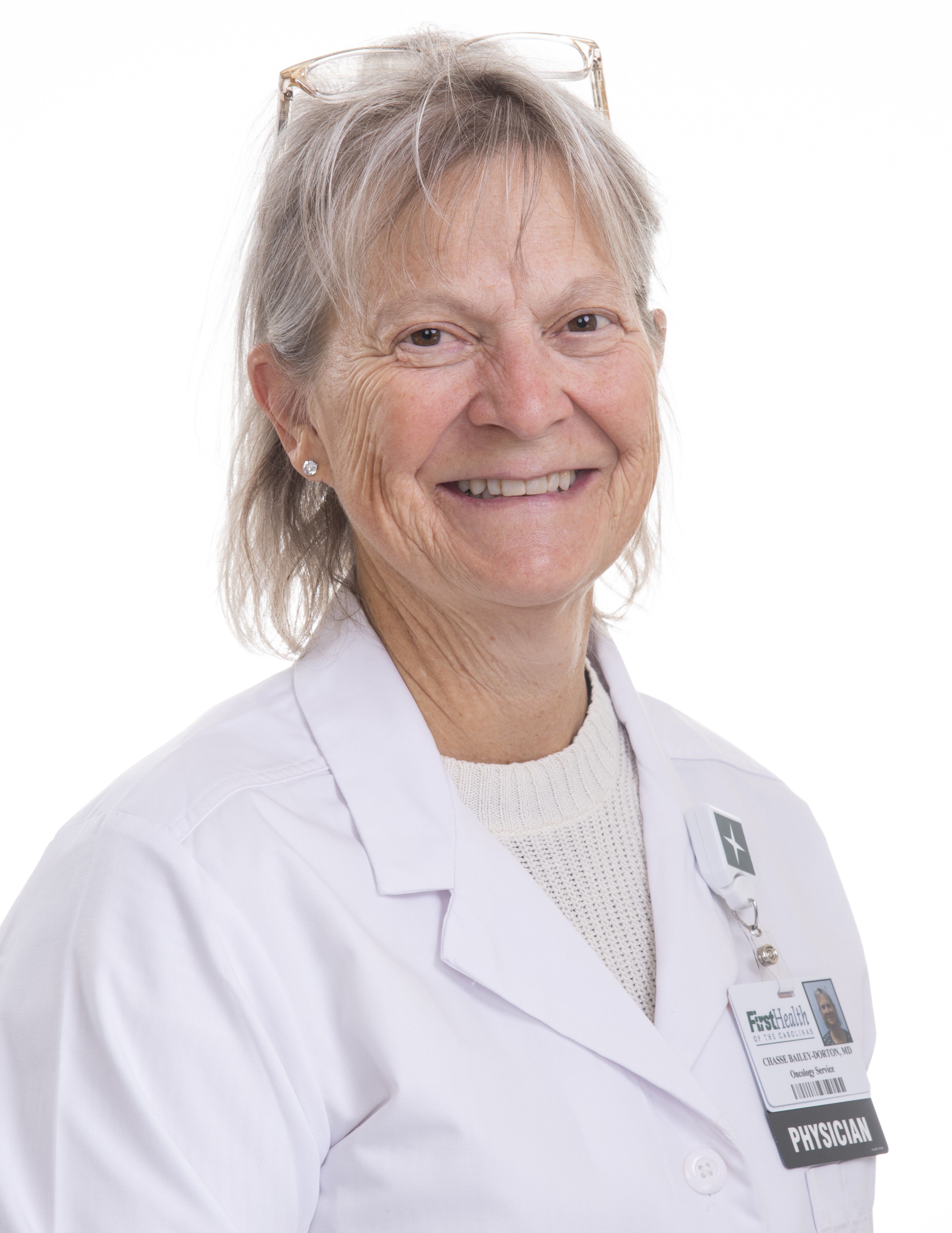
She was told to see her OB/GYN in five years as it usually cleared up on its own. Something just didn’t feel right to Robles, so she followed up with a different OB/GYN, Lee Lowery, M.D., of FirstHealth OB/GYN, a year later. Her bloodwork was negative for cancer markers, but she still had HPV and had just experienced 27 straight days of menstrual bleeding.
Lowery was concerned, and Robles knew something just wasn’t right. She believes in her own intuition and that women often put themselves last. “You have to advocate for your health and take care of yourself,” she says.
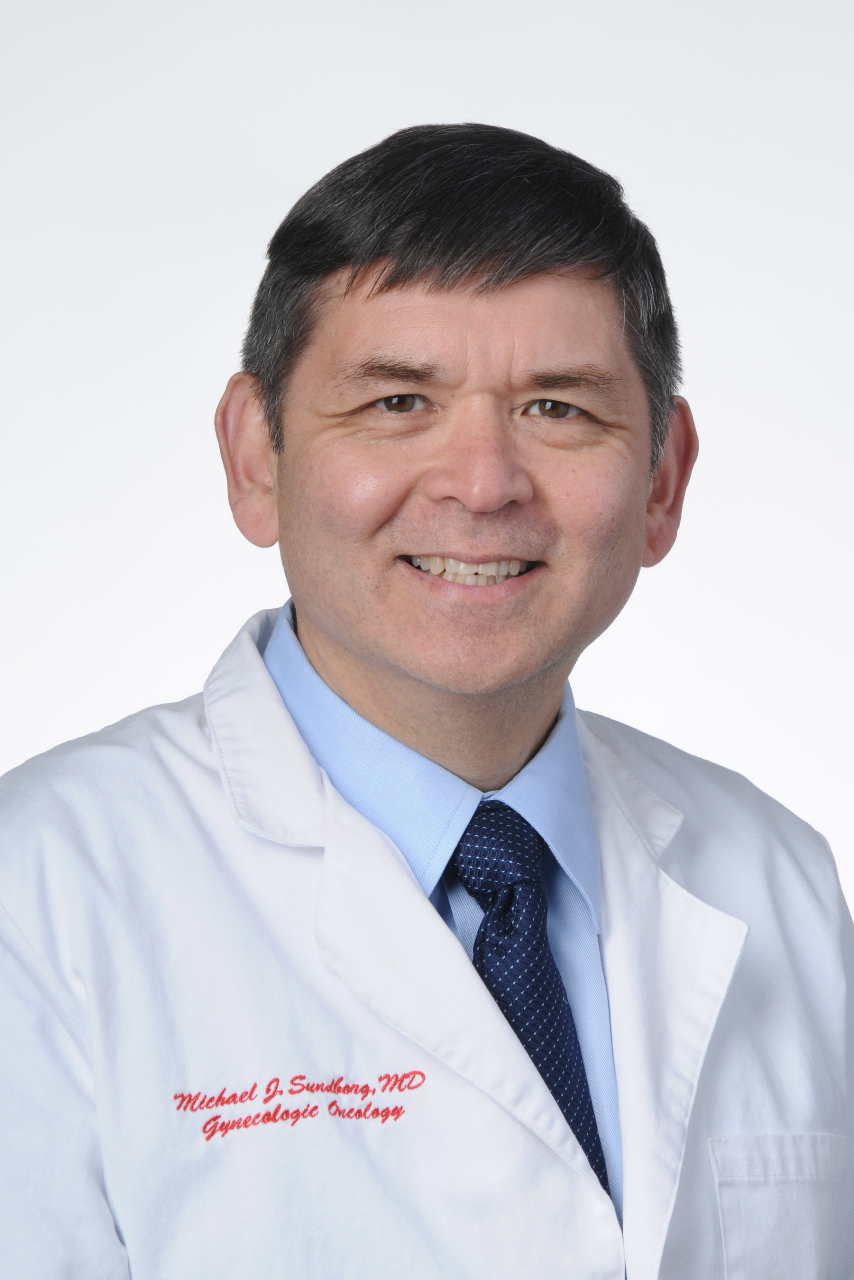
Lowery agreed with her intuition and performed a colposcopy, which ultimately led to her cervical cancer diagnosis and treatment with gynecologic oncologist Michael Sundborg, M.D.
According to Sundborg, HPV is detected in 99.7% of cervical cancers, and any cancer that could be potentially related to the HPV virus (cervical, vulvar, vaginal, anal, as well as some head and neck) is tested in their patients.
Robles had a full hysterectomy, along with removing part of the vaginal canal and two lymph nodes.
Four months following the surgery, Robles was able to return to work. The HPV vaccine had just come out when she was a youth, and she was just over the cut-off age to receive it. In her line of work, she talks with many young women and has been able to share her experience and how the HPV vaccine could have prevented her cancer had it been available for her.
“In the United States, pre-cancerous disease is being closely monitored and rates of pre-cancerous changes (dysplasia) in 20–24-year-old women dropped by 79%, and high-grade dysplasia dropped by 80% between 2008 and 2022,” says Sundborg. “Cancer takes years to decades to develop and often dysplasia is appreciated first. It will be telling as these women age into peak cervical cancer years.”
Robles returns annually for a check-up with Sundborg’s physician assistant Lindsey Huckbody, PA-C. She still considers herself “colorful” and is using that gift to return to school to study photography.
“Even though you are cured, the journey is never done,” she says. “Find a good system for yourself because the idea of cancer stays with you, and you must choose whether you let it be a good lesson or a bad lesson. I learned to advocate for myself and, more than anything, to take care of and love myself.”
“Not to minimize her experience because the diagnosis of cancer is a heavy one, but Nelka is fortunate to have her cancer found early,” says Huckbody. “The biggest risk factor for developing cervical cancer is not getting screened. I feel fortunate to be involved in her care because she is such an awesome human being.”
In cervical cancer, precancerous changes can be completely asymptomatic, making screening especially important. Women ages 24 to 65 should be screened every 3 to 5 years. The incidence of cervical cancer in the United States is much lower than in many parts of the world due to the availability of screening and now the vaccine. In 2024, 13,820 new cases of cervical cancer were reported and sadly, 4,360 deaths. In the United States, cervical cancer’s peak incidence is 35-44 years of age.
Women who aren’t sure when they were last screened or who have questions about the HPV vaccine should talk with their health care provider.
Michael Sundborg, M.D., Brian Burgess, D.O., and Lindsey Huckbody, PA-C care for patients at FirstHealth Gynecologic Oncology in the FirstHealth Cancer Center on the campus of FirstHealth Moore Regional Hospital in Pinehurst. For more information call (910) 715-8684 or visit FirstHealth.org/GynOnc.






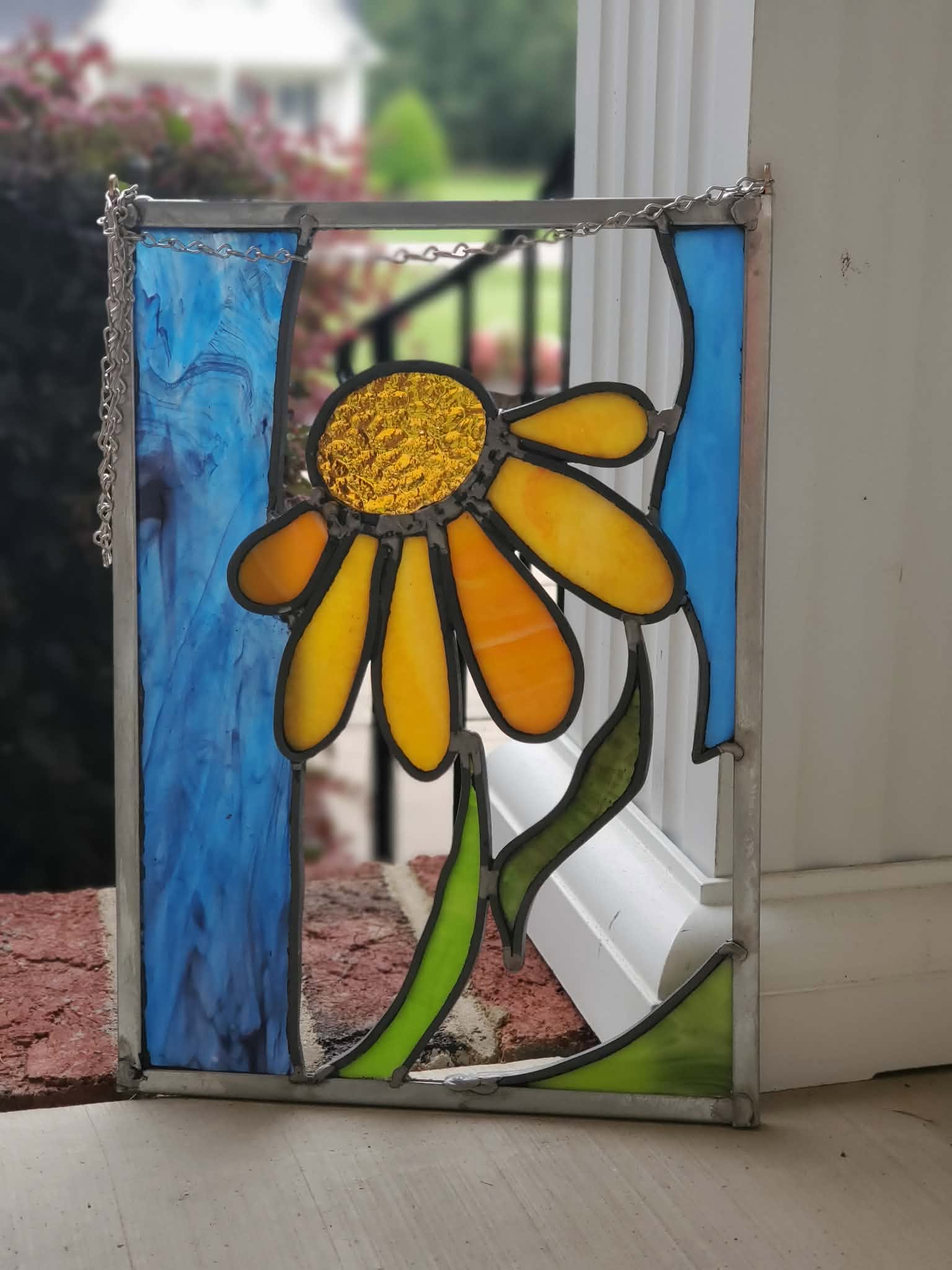
Cindy Akers-Gilford creates stained glass, fused glass, mosaics, handmade glass jewelry, pendants, suncatchers and other original glass artwork in her studio in Dunn, N.C. Photos provided by Cimply Broken.Self-made Artist and Founder of Cimply Broken
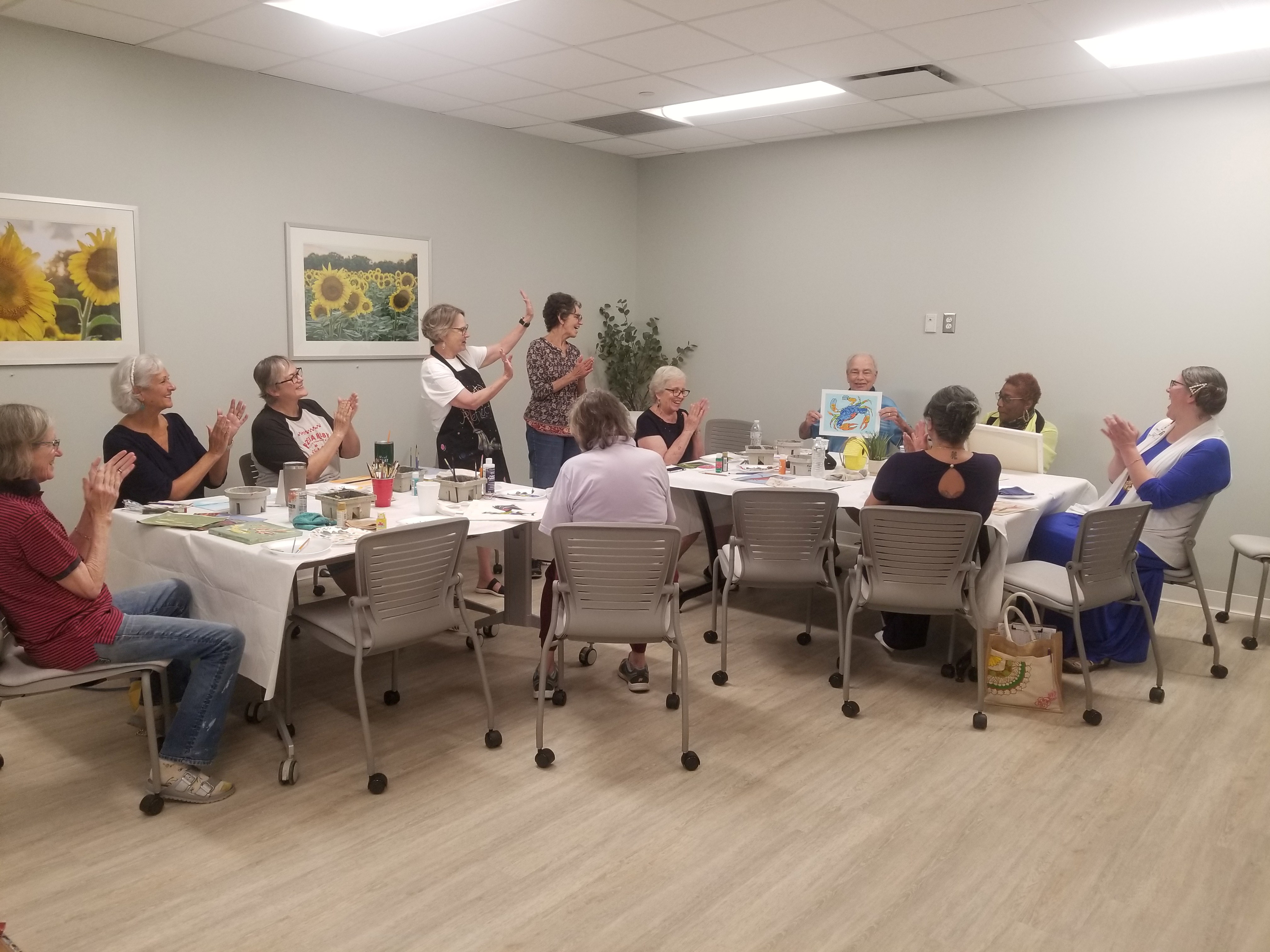
FirstHealth’s art therapy for cancer patients and caregivers helps attendees reduce stress through creative expression. Photo provided by Deborah Yarborough.Group therapy can provide much-needed support and comfort during difficult times, and t
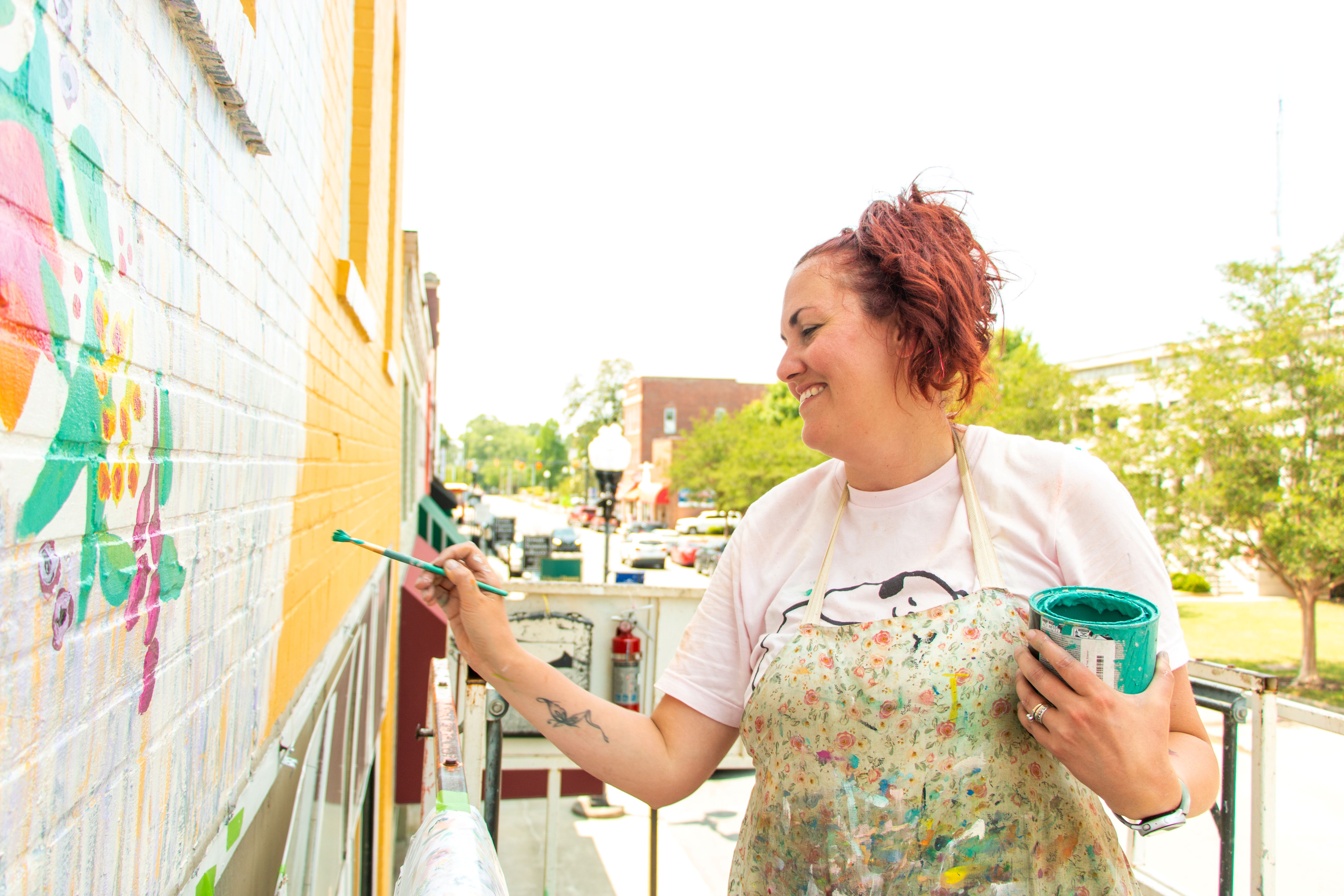
Van Goat Studios, which has been operating since 2019, has allowed Johnson to express herself and reflect the spirit of local communities through murals. Photo provided by Elyse Johnson.Elyse Johnson of Van Goat Studios in Dunn wants to spread her ar