
A diagnosis of Alzheimer’s disease can bring uncertainty for patients and families. For some people in the early stages of the disease, anti-amyloid therapy offers a treatment option intended to slow the pace of cognitive and functional decline. Cape Fear Valley Health is now able to provide this therapy locally, giving eligible patients in the Fayetteville area the opportunity to explore care closer to home.
Alzheimer’s is a progressive neurodegenerative disease and the most common cause of dementia. It affects memory and other thinking abilities, and over time can make everyday activities more difficult. It most often develops in people around age 65 and older, though it can begin earlier.
Anti-amyloid therapy differs from established Alzheimer’s medications such as donepezil or memantine, which focus on cognitive symptoms rather than directly targeting amyloid plaques. Anti-amyloid therapy targets amyloid proteins that build up in the brain in Alzheimer’s disease. It is administered through an intravenous infusion every two weeks, with the goal of removing these plaques and slowing the disease’s progression. The treatment does not reverse Alzheimer’s or restore memory that has already been lost, but slowing decline may help some patients maintain independence and quality of life for longer.
In the main clinical trial discussed with patients, the therapy slowed the rate of cognitive and functional decline by approximately 27% over 18 months. That figure describes results across a study group, not a guarantee for any individual. Every patient’s experience is different, and deciding whether to pursue treatment requires a careful conversation about potential benefits, risks and personal circumstances.
An Alzheimer’s diagnosis affects more than the person experiencing memory changes; family members may also take on new responsibilities and concerns. Treatment decisions are personal. After reviewing eligibility, expected benefits and risks, patients can decide with their care team whether the infusion schedule and ongoing monitoring align with their goals.
Anti-amyloid therapy is generally intended for people with mild cognitive impairment or early-stage Alzheimer’s disease. Not everyone with a diagnosis will be a candidate. Evaluation can include a review of medical and family history, cognitive testing such as the MoCA, MRI and PET scans, and, when appropriate, a cerebrospinal fluid study to assess amyloid. These steps help establish a diagnosis and determine whether treatment may be suitable.
There are some risks associated with the treatment. One notable risk is amyloid-related imaging abnormalities, or ARIA, which can involve swelling or small areas of bleeding in the brain. MRI monitoring is performed at months one, two, three and six, with the risk of ARIA highest during the first few months of treatment. A history of stroke or brain bleeding, as well as certain medications, such as anticoagulants, may affect whether treatment is appropriate.
The recommended initial treatment period is at least 18 months, though treatment may continue beyond that depending on the patient’s circumstances and available guidance. Treatment response is assessed through cognitive testing and input from patients and their families. Dr. Medina said the recommended treatment phase is at least 18 months, and treatment may continue beyond that depending on the patient and the guidance available.
Medicare covers the medication, and some private insurers are also beginning to cover it. Patients should check with their insurer about their specific coverage and costs.
For people worried about memory changes, an evaluation is a useful first step. Patients can contact Cape Fear Valley Neurology or ask their primary care provider for a referral. From there, the team can review concerns, arrange appropriate testing and discuss whether treatment is a fit. By offering this care in Fayetteville, Cape Fear Valley gives eligible patients the chance to explore an innovative Alzheimer’s treatment without having to travel hours to an academic medical center. For patients and families facing a difficult diagnosis, access to evaluation and care close to home can make a meaningful difference.




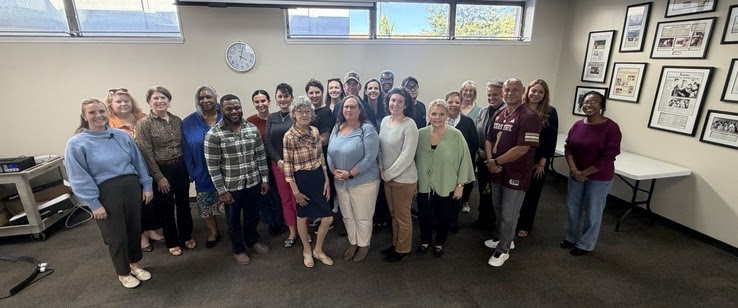
Cumberland Community Foundation hosted a fundraising training in October for the nonprofits participating in GivingTuesday 2026. Attendees left feeling excited for the GivingTuesday campaign, which runs Nov. 23–Dec. 1. Photo provided by CCF.When the

VBH utilizes a proven process and partner networking to provide holistic services to Veterans, transitioning military and military families. For Veterans Day this November, the staff of Veterans Bridge Home participated in the Cumberland County Veter

The Greater Fayetteville Business Journal is excited to announce the final Power Breakfast in 2026: The Long View: Untold Stories and Hard-Won Truths. Taking place on Tuesday, Dec. 8, at the Cape Fear Botanical Garden from 7:30 a.m. to 9:30 a.m., thi