To reduce barriers and expand access to health care, Cape Fear Valley Health offers virtual visits, also known as telehealth. Through a simple video and audio platform, you can talk to your Cape Fear Valley Health provider from the comfort of your home or office, without spending money on transportation costs or disrupting your work day.
Telehealth has many benefits, including connecting patients with specialists and healthcare providers who may not be available in their local area. This allows patients to receive expert opinions and consultations without traveling long distances.
Telehealth visits also facilitate timely consultations, reducing wait times for appointments. Patients can receive medical advice, prescriptions, and guidance promptly, and conserve their work or personal time.
Not only does telehealth increase access to care - particularly for rural or mobility-challenged patients - but it also is more cost-effective, due to removing travel burdens and shortening the time needed for the appointment.
Facilitating continuity of care between patients and their preferred providers, telehealth access allows patients to follow up with their preferred providers remotely. This can be especially useful in managing chronic conditions or for post-treatment follow-ups. In some cases, providers may use remote patient monitoring devices to track a patient's health status and intervene if needed. In addition, telehealth has been instrumental in providing mental health services and counseling, offering convenient access to therapy and support for individuals in need.
Through a process known as shared decision-making, both the patient and provider must agree on using telehealth as an alternative to a face-to-face encounter. Telehealth visits are most frequently a good fit for patients who don’t require a physical examination. For example, telehealth can be a great option for patients who need medication refills, travel-related prescriptions, or follow-up visits after an initial in-person consultation.
Of course, some appointments are best conducted in-person, such as visits about new symptoms or health concerns, or cases that require lab analysis or vitals.
If you'd like to explore telehealth visits, contact your Cape Fear Valley provider's office or visit capefearvalley.com/findadoc to find a physician. Ask about scheduling a virtual visit. If the provider agrees that telehealth is a good option for you, you can connect via a smartphone, tablet, or computer with a camera and speaker. Tech support is offered if you encounter issues.
We look forward to serving all of your health needs through the Cape Fear Valley Medical Center, whether virtually or in-person!





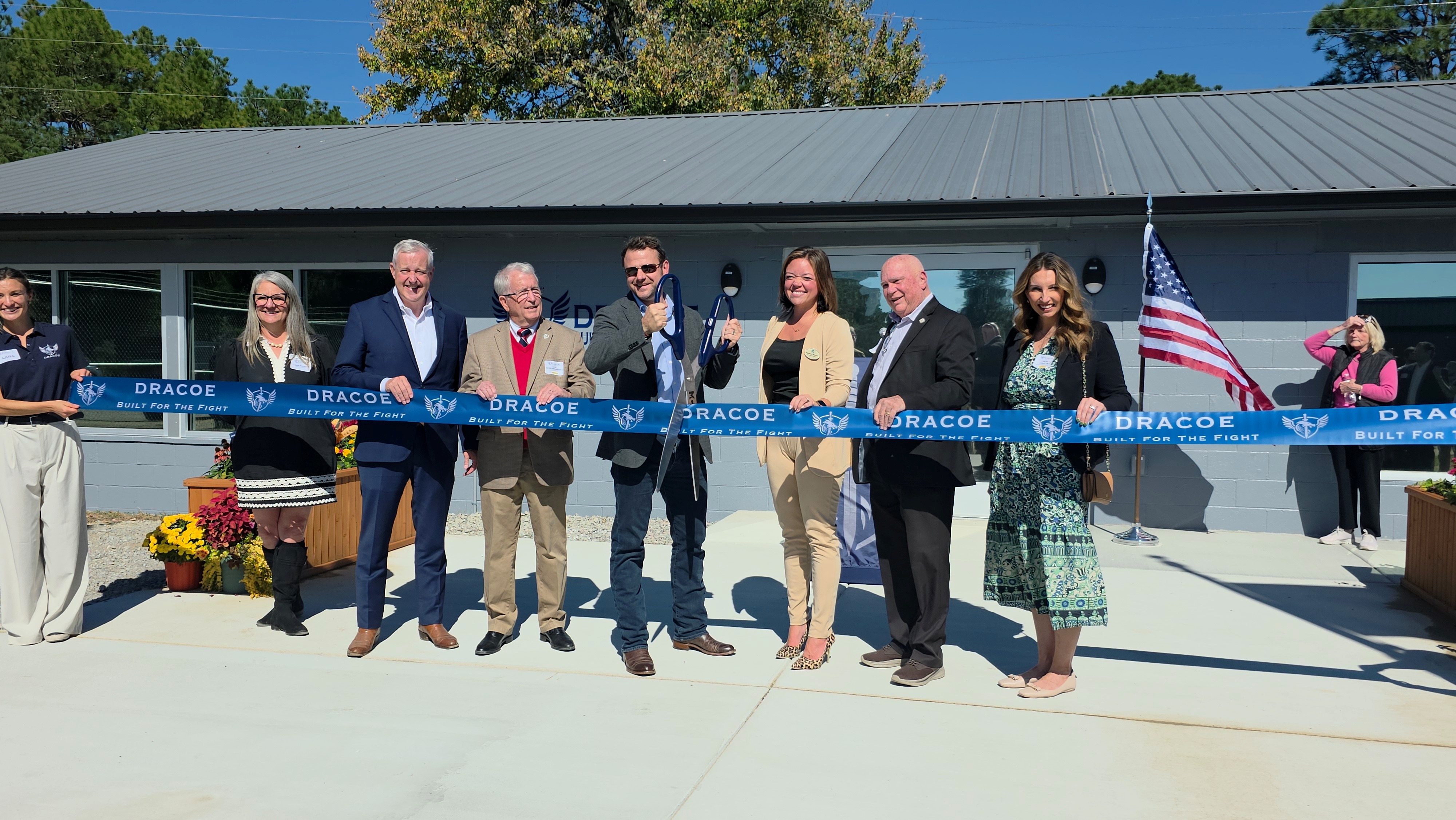

The US Army Special Forces (SF), known as Green Berets because they are awarded a green beret to wear following the rigorous selection and training process, are specialized military units trained to conduct special operations. Photo provided by the G
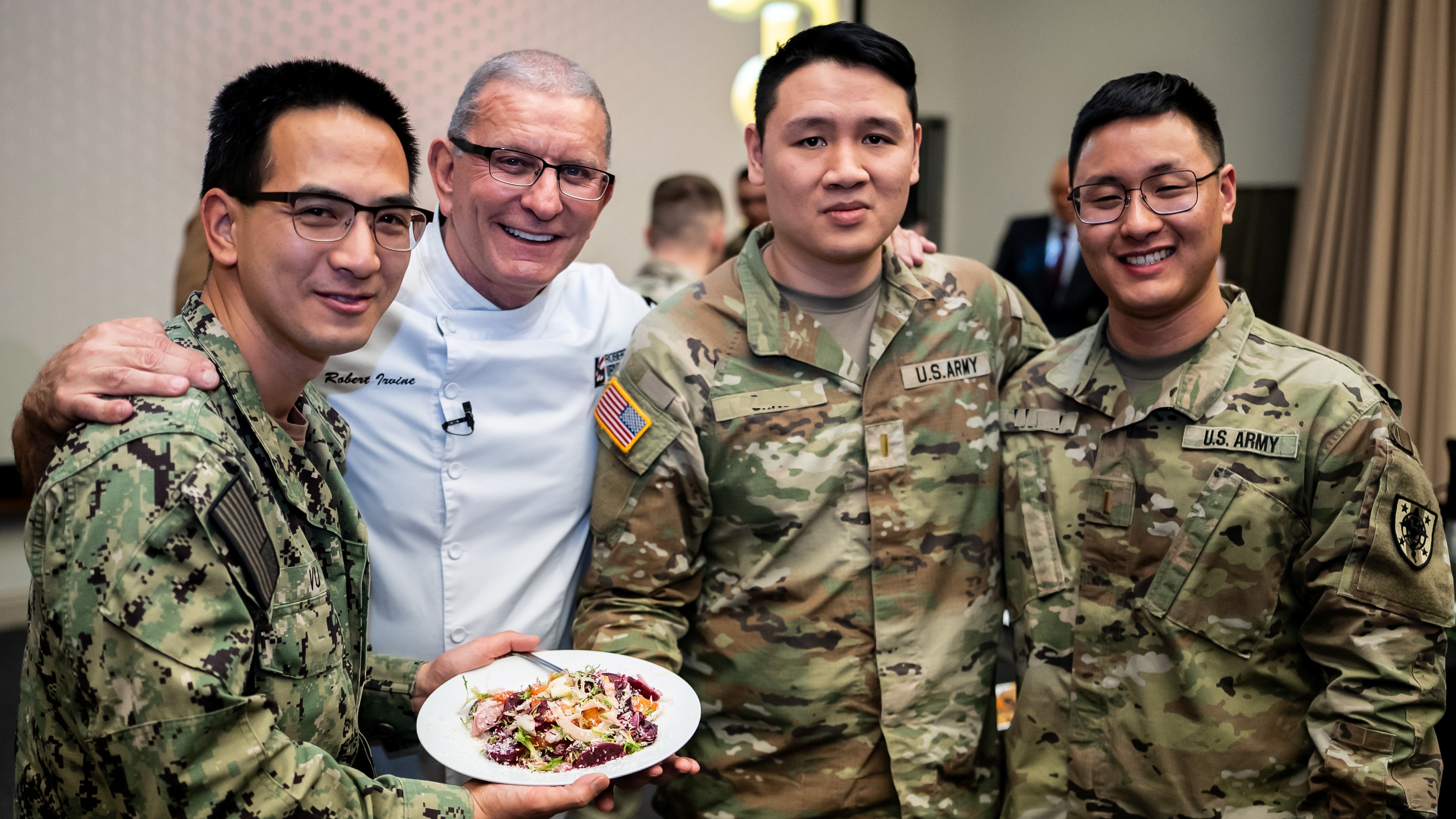
Fuel to Serve will go “beyond the dining hall,” using food and shared meals as trusted entry points to link families with a broader network of resources. Photo courtesy of USAA.USAA and the Robert Irvine Foundation recently announced Fuel to Serve. T

Yes, those are decorations currently in my home. Yes, I may have spent more money than average for two oversized mums that are taking up way too much space on my porch, and yes, I may have stood my ground in a Lowe’s hardware store arguing with my hu