Campbell University recently earned its reaffirmation of accreditation to award associate, baccalaureate, masters and doctorate degrees.
The accreditation comes from Southern Association of Colleges and Schools Commission on Colleges and must be reaffirmed every ten years.
Only five private universities in North Carolina hold SACSCOC Level VI accreditation status. Level VI institutions are schools that offer four or more doctoral degrees.
The accreditation means that the school “has a mission appropriate to higher education,” “has resources, programs and services sufficient to accomplish and sustain that mission” and “maintains clearly specified educational objectives that are consistent with its mission and appropriate to the degrees it offers,” a Campbell press release said.
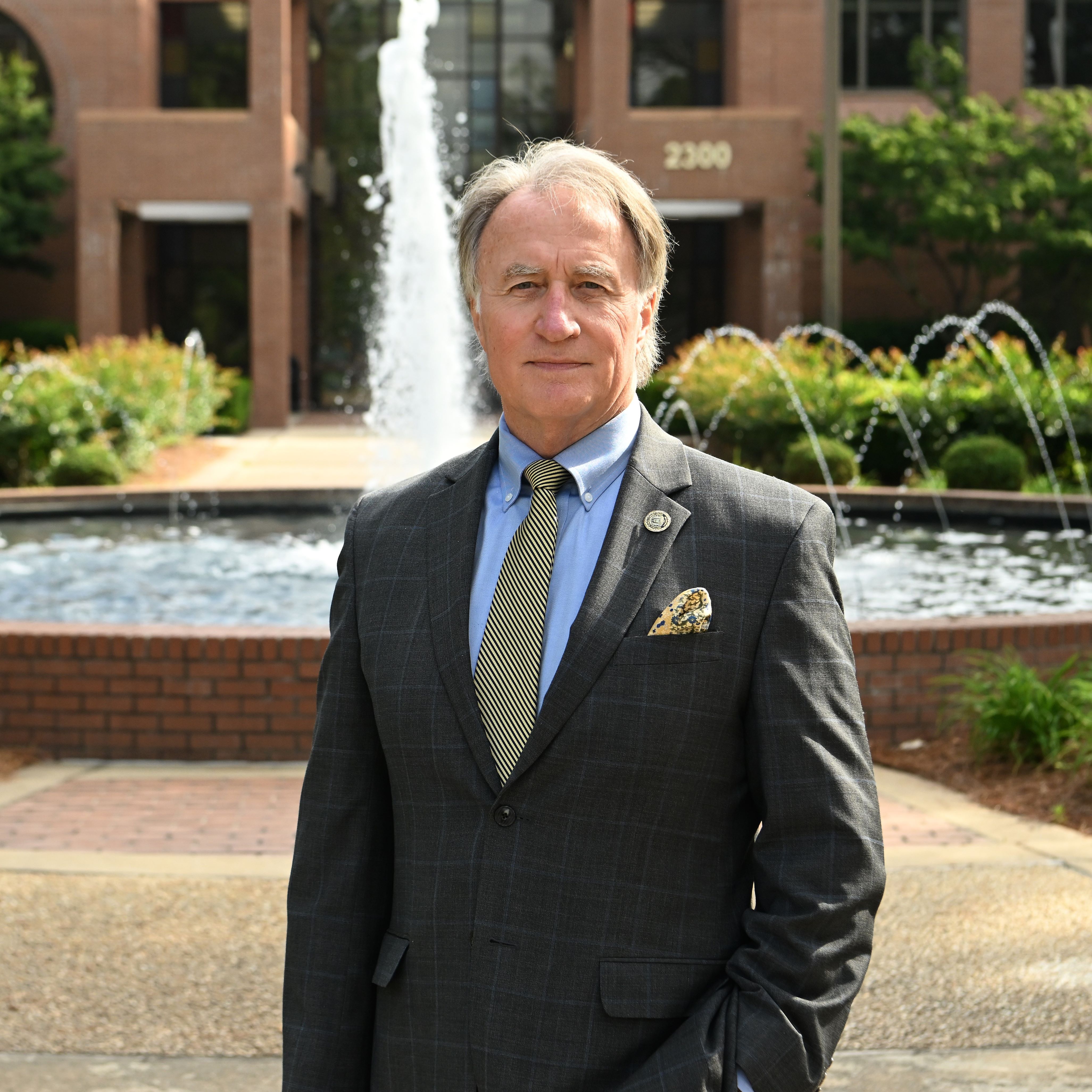
“The process of reaffirmation is rigorous and thorough, involving countless hours of planning and preparation,” University President Dr. J. Bradley Creed said,“I am especially grateful to our accreditation team for their dedication and efforts which have led to this successful outcome.
“During this most recent review, Campbell University has demonstrated its educational quality and the effectiveness of its robust culture of academic assessment,” he added.
Getting the notification of reaffirmation has been a long process, beginning back in December 2018 when an accreditation team from the school attended a SACSOC Annual Conference’s leadership orientation. In 2019, a compliance leadership team was formed to help plan the school’s Quality Enhancement Plan.
The Quality Enhancement Plan is a five-year initiative that aims to bolster students’ learning and learning environments at Campbell, particularly honing in on the writing skills of undergraduate students.
The compliance leadership team was chaired by Vice President for Academic Affairs and Provost Dr. Mark Hammond, and vice-chair was Maren Hess, associate provost for institutional effectiveness with 26 members on the team, ten of which were full-time faculty.
The assessment was led by Dr. Ellen Dobson, and co-editors were Dr. Gina Peterman and Borree Kwok.
“The University has grown significantly more complex in academic programs and operations over the last 10 years, especially with the addition of our schools of medicine and engineering,” Hammond said. “Such an accomplishment is a clear statement of an entire institution’s commitment to integrity, demonstrated excellence in academic programs and facilities, a culture of assessment and accountability, and exceptional student outcomes.”






Join us Sept. 29 for our third Power Breakfast of 2026 as business leaders share how they leverage decades of institutional wisdom. The Greater Fayetteville Business Journal invites you to join us for our third quarterly Power Breakfast, The Fam

Skyeton leadership have decided to look locally for a general contractor to head up major renovations for the 28,479-square-foot building they’ve selected as their new home. Fayetteville-based Critical Path Solutions LLC has been chosen as the primary contractor for bringing new life to the previous Black+Decker plant site.
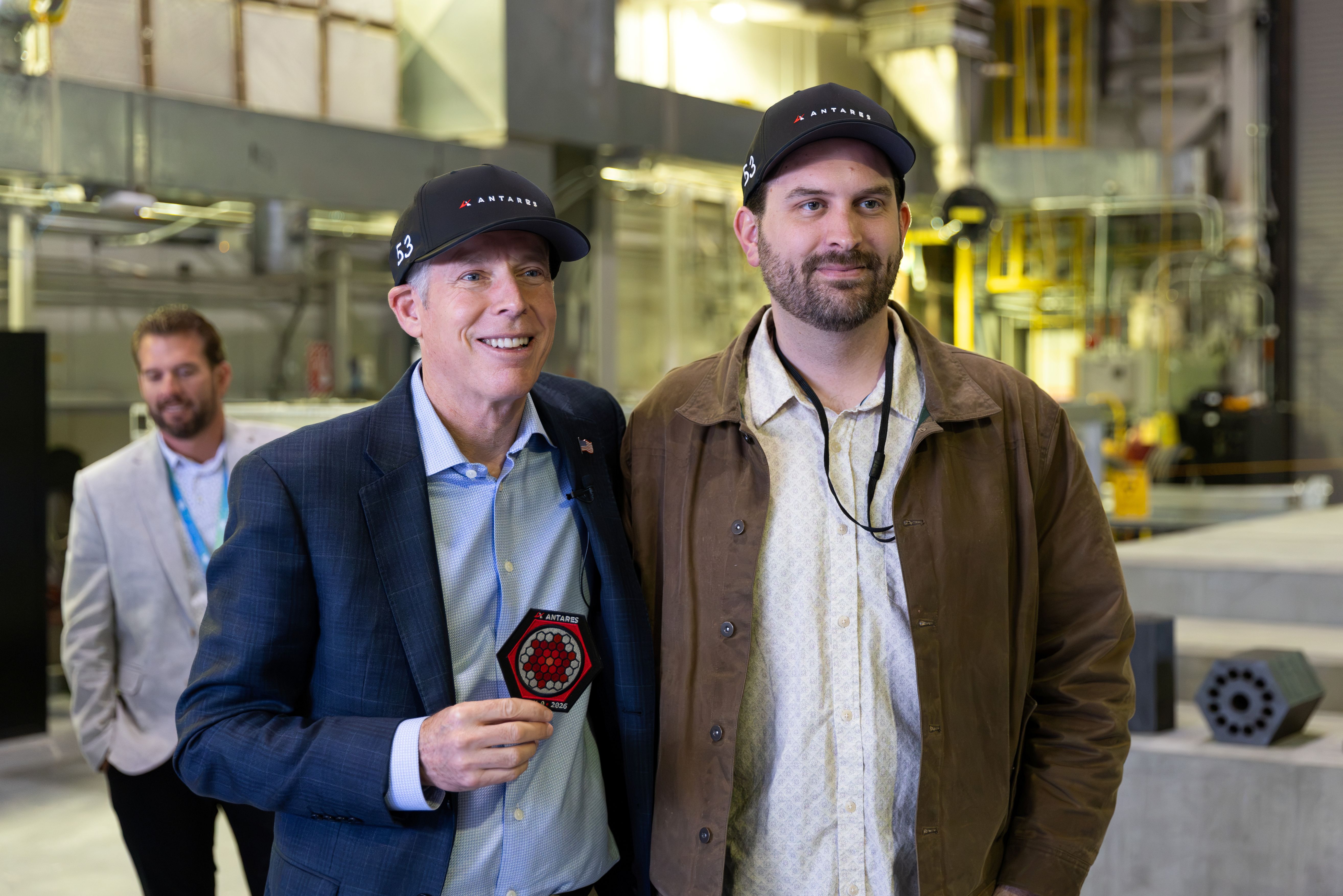
From left to right: US Secretary of Energy Chris Wright with Antares Co-founder and CEO Jordan Bramble. Photos courtesy of Antares Nuclear, Inc. Antares Nuclear, Inc. recently announced that it has been awarded an Other Transactions Authority ag