
Anyone who has spent time outside during the summer understands that it can get hot, really hot — which is good for business for sellers of sunscreen, sunglasses, sandals and sun hats.
As the high heat of August continues to cook our part of the world, entrepreneurs are dreaming up ideas on how to make a buck from climate change.
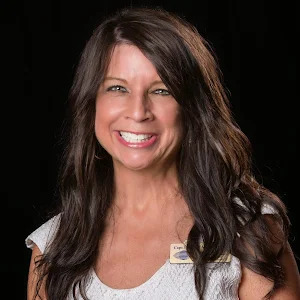
We had a chance last week to visit with Karen Goble, director of continuing medical education for Southern Regional, Area Health Education Centers.
You can find Scott Nunn’s story on page 3 of this edition of the Greater Fayetteville Business Journal.
According to Karen Goble, director of continuing medical education for Southern Regional, Area Health Education Centers, our region “already experiences health and community challenges posed by increasing heat and storms.”
“We have the highest incidence of heat-related illness in North Carolina,” Goble told us. “Health care workers, employee health staff, and all in the region need to consider how we adapt, such as providing counseling for persons taking commonly prescribed medications that increase risk for heat related illness.”
Stick with me for a minute; this is not another news piece promoting the idea of global warming. That said, we are experiencing a trend that seems to support the idea of climate change, at least in the short term.
And regardless of your stance on the subject, Goble and others are focusing on the practicality of increased numbers of people showing up in hospitals and doctors offices with health issues related to the heat.
In Nunn’s story, you’ll find information about the Sandhills Climate and Health Symposium 2021. There Goble will speak on the subject of health concerns related to climate factors.
The ongoing COVID-19 pandemic has stolen the spotlight in the last year, but it’s not the only health threat out there — hurricanes, for instance, continue to plague the Southeast year after year.
Health experts, government leaders and even regular folks like me and you usually have time to prepare for the destructive forces of these big storms.
But, according to the Centers for Disease Control and Prevention our region “is especially vulnerable to extreme heat and wildfires. However certain populations, such as farmworkers and diabetics, face a high risk of spending too much time in the sun — which .
According to Nunn’s story, the subject of heat effects on the human body will be addressed at the Sandhills Climate and Health Symposium 2021, set for Aug. 13 at the Southern Regional Area Health Education Center (SR-AHEC), 1601 Owen Drive, Fayetteville.
Years ago, I spent a couple of summers running the aquatics program at a Boy Scout camp in southern Colorado. For five weeks in a row I’d wake up everyday, shave and apply zinc oxide (white stuff) to my nose.
On my staff of lifeguards and sailing instructors was a young man named Randy, who had a girlfriend named Kim back home. Each day as the lakefront staff began their daily tasks, Randy would get one of the guys to reapply a thick coating of zinc oxide to his back, spelling out the name, “Kim” — you know, so when he took his shirt off he’d have a sun tattoo spelling out his girl’s name.
Time passed, and not too surprisingly, Randy and Kim went their separate ways, leaving Randy with a large sun tattoo of this young woman’s name still on his back. The day after the breakup Randy said he had come up with a solution. For the last couple of weeks Randy skipped the zinc oxide application and let Kim burn.
So, climate change or not, Kim or not, we feel the heat of summer every year. And anyone who spends any amount of time working outdoors understands the power of the sun’s heat. That and other climate-related issues is what the upcoming symposium will address.
“It will be important to consider preventative measures for those working outdoors — such as in construction or farmworkers — and engaged in outdoor sports activities,” Goble said.
The takeaway from the symposium is that our region and others must prepare for the rising number of people with conditions caused by environmental hazards.
David Kennard is the executive editor of the Greater Fayetteville Business Journal. Contact him at 910-240-9697, Ext. 104.




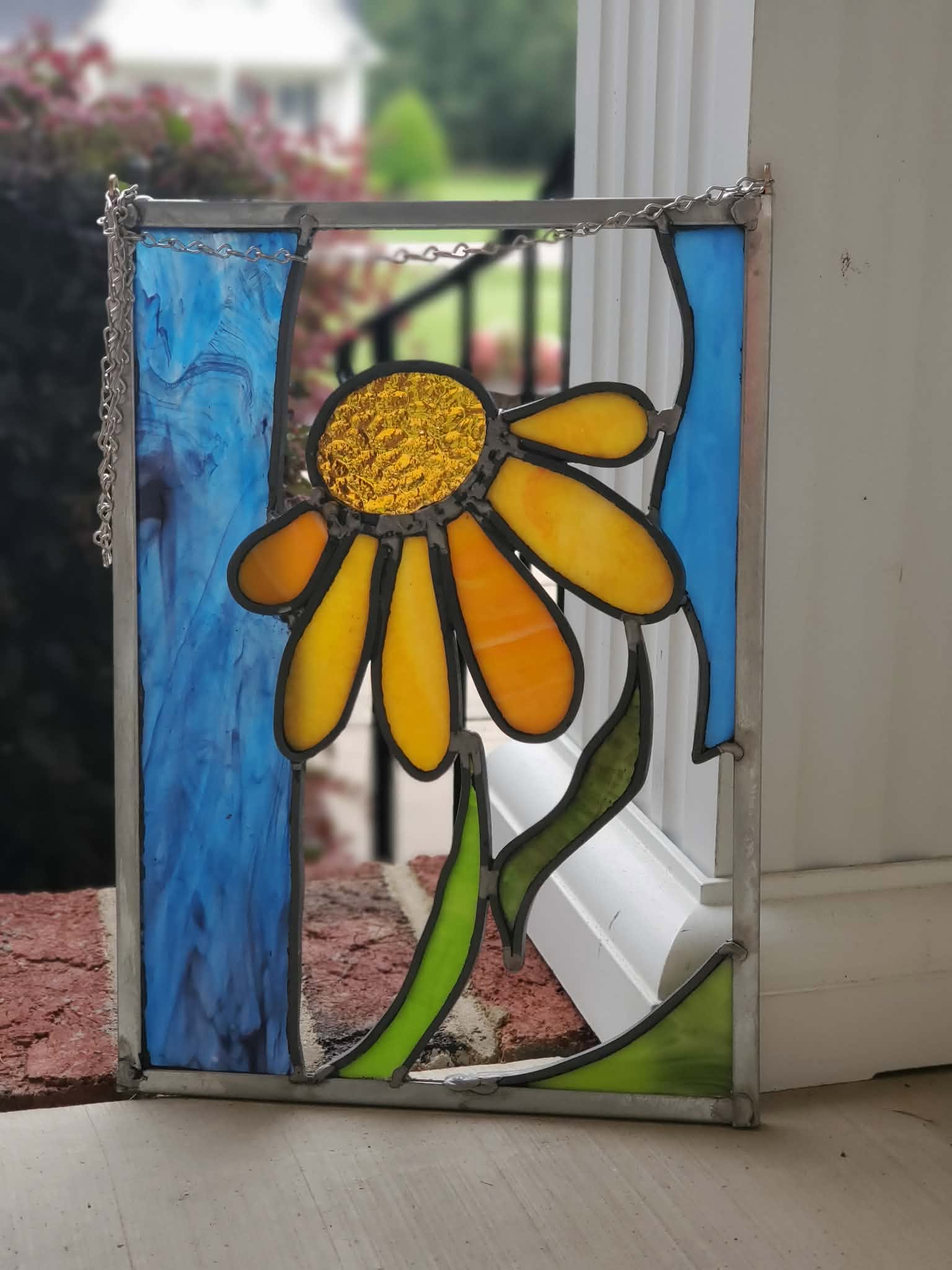
Cindy Akers-Gilford creates stained glass, fused glass, mosaics, handmade glass jewelry, pendants, suncatchers and other original glass artwork in her studio in Dunn, N.C. Photos provided by Cimply Broken.Self-made Artist and Founder of Cimply Broken
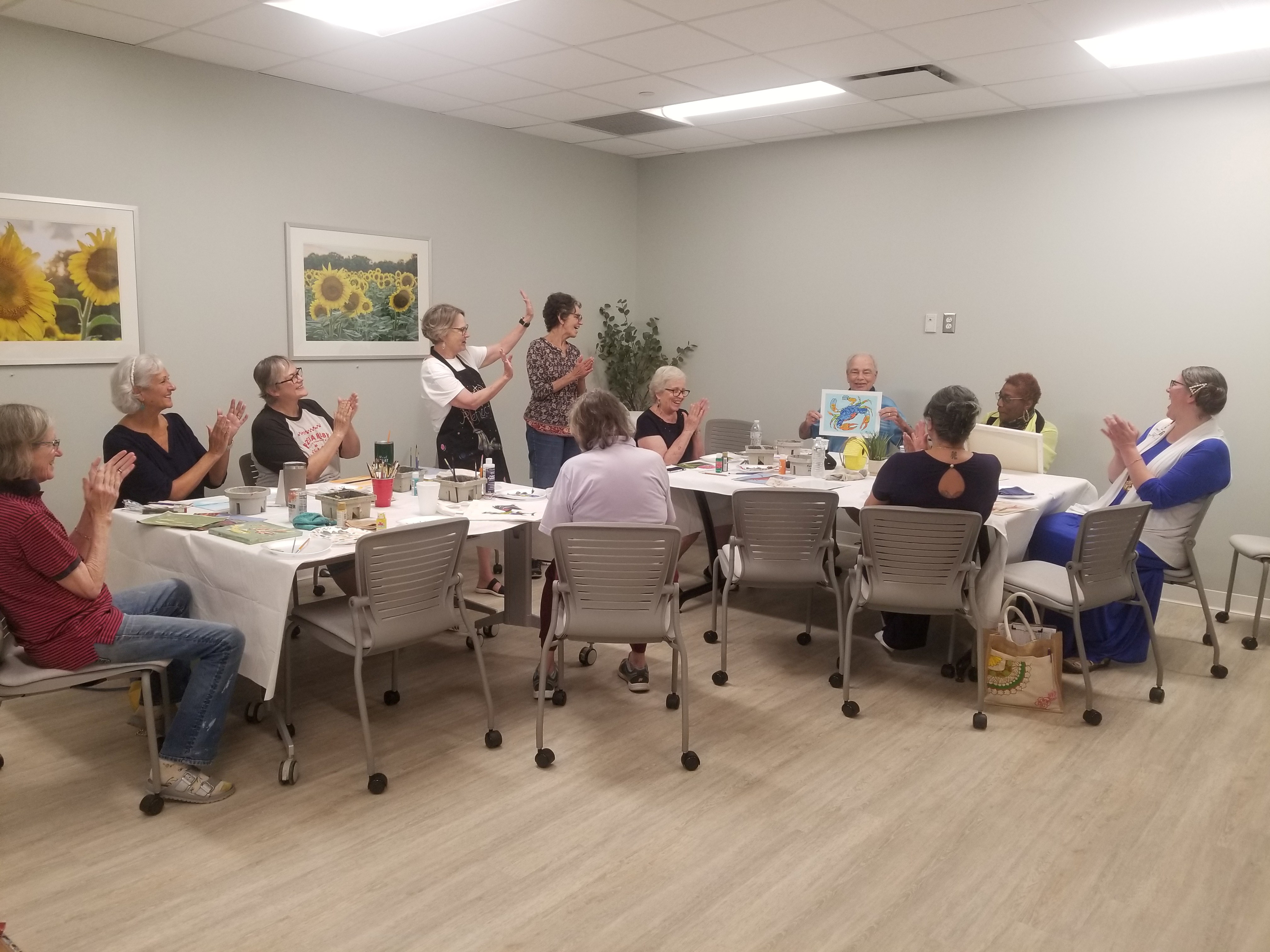
FirstHealth’s art therapy for cancer patients and caregivers helps attendees reduce stress through creative expression. Photo provided by Deborah Yarborough.Group therapy can provide much-needed support and comfort during difficult times, and t
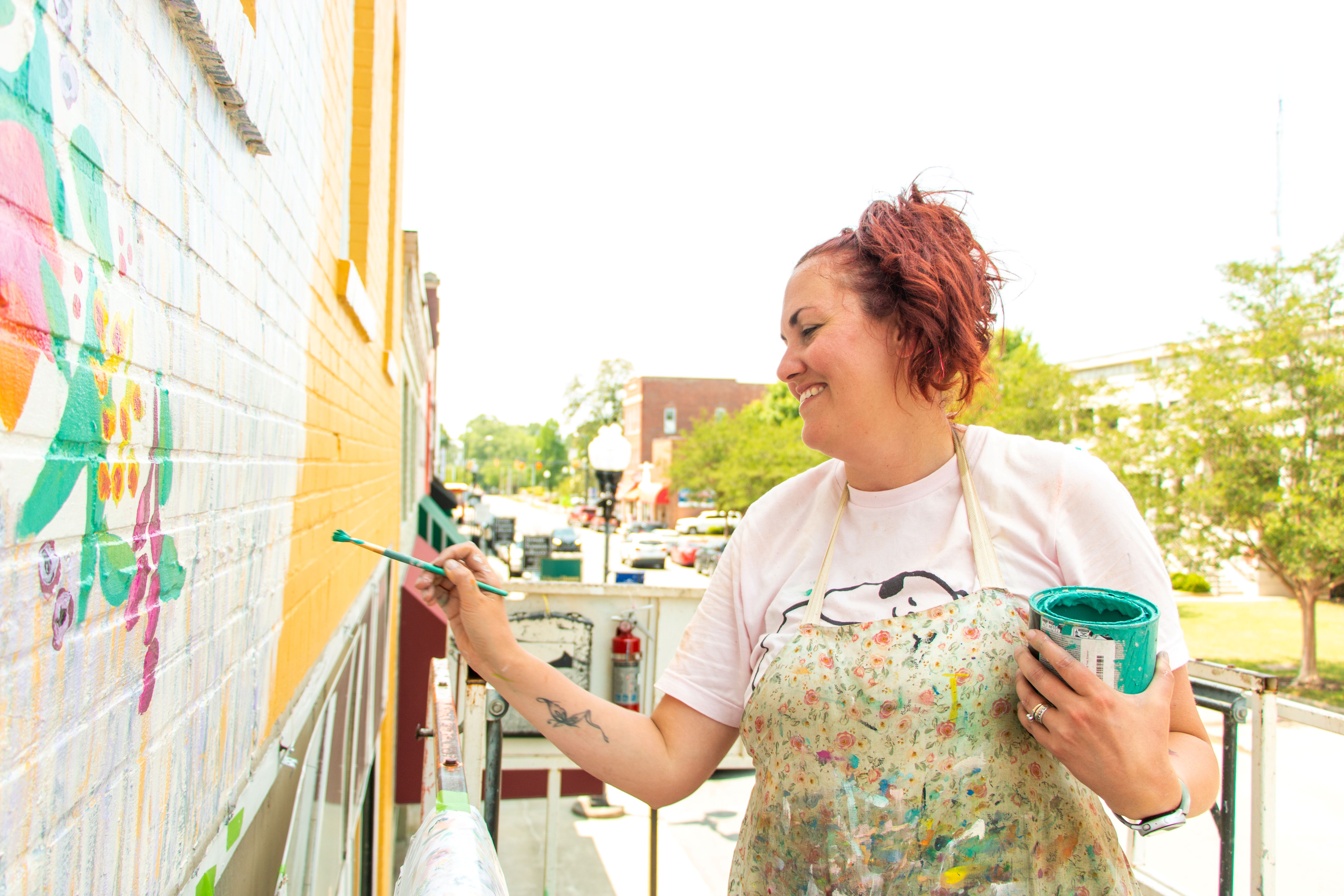
Van Goat Studios, which has been operating since 2019, has allowed Johnson to express herself and reflect the spirit of local communities through murals. Photo provided by Elyse Johnson.Elyse Johnson of Van Goat Studios in Dunn wants to spread her ar