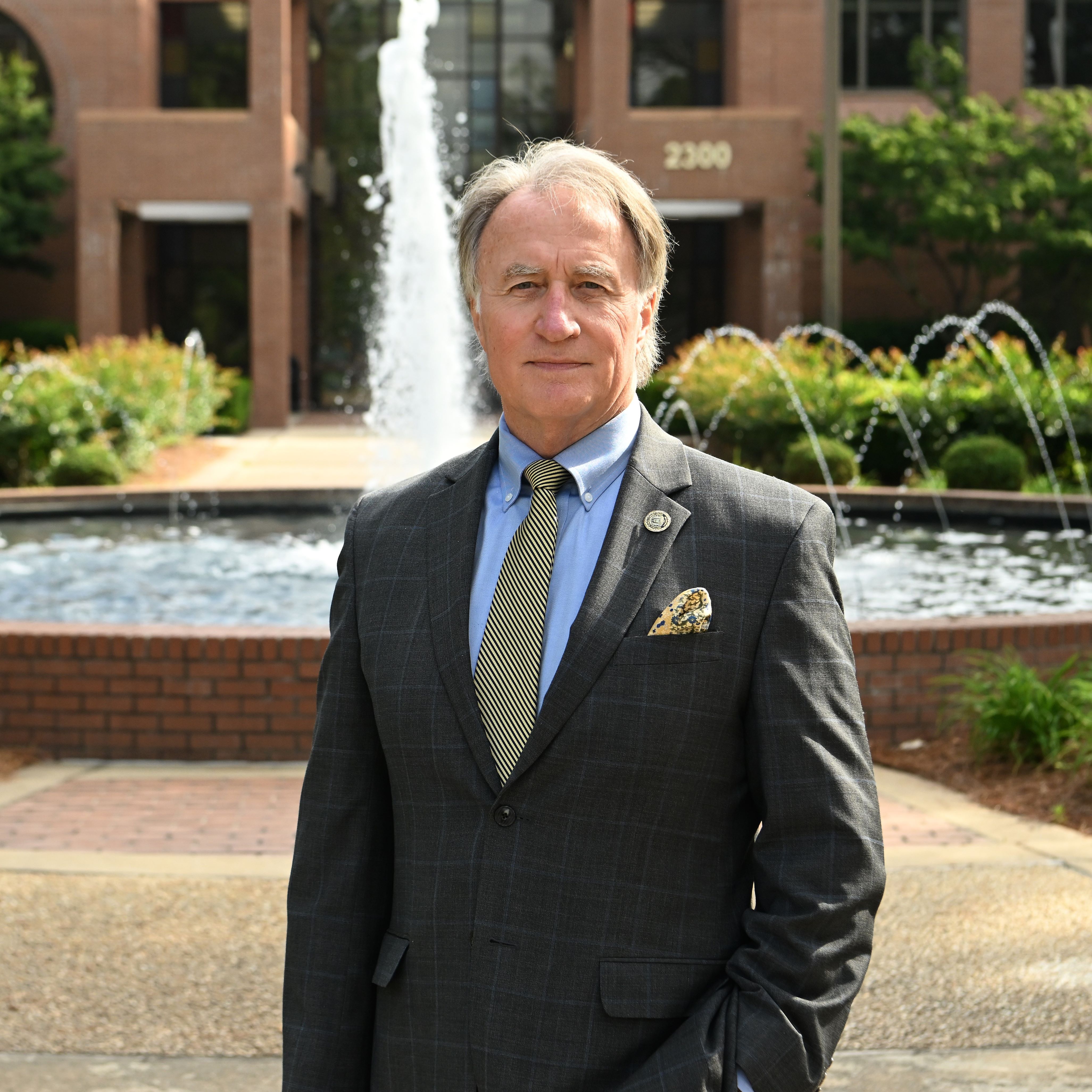

Methodist University is making some changes to what Major programs they will be offering moving forward in an effort to keep up with ever changing course demands from an evolving market of students.
Currently undergoing what leadership refers to as “realignment,” a decision has been made to downsize Major programs serving the least number of students, changing them from full Major offerings to smaller courses that will still be available to students in some form.
This decision will affect four Major programs that represent .0062 percent of currently enrolled students, will lead to the termination of 30 positions and will result in a $1.75 million expenditure reduction which will free up funds for other investments.
“It’s never easy to make decisions based on market forces that you know will be difficult for people you work with and like. However, the immediate adjustments must be done for the good of Methodist University to keep the institution fully aligned with student demand and with our strategic priorities,” shared Methodist University President Dr. Stanley T. Wearden in a written statement. “We are looking to both improve departmental efficiencies (which includes a workforce reduction of approximately 30 faculty and staff positions), while also increasing revenues (via targeted student recruitment, increased summer offerings, and fund-raising).”
According to Director of Marketing & Communications Brad Johnson, the Major programs that are being adjusted or discontinued utilize high faculty resources and have seen low enrollment over the last three years and currently have less than a dozen students enrolled. Those major programs are:
Both Fine Arts and Music classes will continue to be offered as part of the general education and elective curricula. Things like the MU Chorale, band, orchestra and other performing opportunities for students will remain.
Teacher Licensure for Secondary Education will still remain available through the Educational Studies B.S. plus one semester in the Post-Baccalaureate Teacher Licensure program as a 4+.5 or 3.5 + .5 option.
"We remain committed to the MU mission, and will continue offering a strong liberal arts core curriculum, to help students learn critical thinking, writing, communication, and problem-solving skills and to foster a refined sense of ethics, a desire to address issues of purpose and meaning in life, and an understanding of effective and engaged citizenship,” said Dr. Wearden.
Johnson shared that no students currently enrolled in these Major programs will be affected and all will be able to finish their degree with no interruption, adding that MU will retain a sufficient number of faculty to teach the students out until they graduate and to continue offering general education and elective courses.
Scholarships for students enrolled in those programs will also not be affected.
“MU will make no changes to the scholarships of our current students, but we will use a strategic approach, focused on net revenue rather than enrollment numbers, in awarding institutional scholarships to future students,” said Dr. Wearden.
Methodist University is highly tuition dependent and, as such, wants to ensure it continues to invest in high-growth areas and divests from non- growth areas.
Methodist University will continue to expand in high growth areas. These areas have been identified by the University as the heavily in-demand professional and pre-professional programs that have clear career pathways, such as health sciences, medicine, engineering, business, psychology and the new Medical School.
“The Medical School represents income growth, not cost. Cape Fear Valley Health is covering the cost of the Medical School through a series of gifts, until the medical school is both solvent and cash-flow positive. This already includes the hiring of 10 senior leadership staff, and will include many more staff/faculty over the next few years,” shared Johnson. “This is a hugely positive growth space for MU, for CFVH, for Fayetteville and the entire region. That's full steam ahead, going remarkably well. Hiring of staff has and is happening and we are finalizing plans for the $50-million+ facility.”
Non-growth areas were identified by MU to be those that have had low enrollment for a number of years and that show no growth projections for the future.
“The very few non-growth programs that this influences had been notified and were aware of enrollment concerns in their areas for the past two years. Just in the past few months even, there have been multiple town halls -and meetings with Faculty Senate- where the President addressed details of realignment to faculty and staff and had open Q/A,” said Johnson.
Overall, the University wants to ensure that the community knows that all realignment is student-focused. Investing in programs, departments, efficiencies, processes, services, restructuring, resources that their students are seeking and need while at the same time, staying true to MU's mission and strategic goals.








The US Army Special Forces (SF), known as Green Berets because they are awarded a green beret to wear following the rigorous selection and training process, are specialized military units trained to conduct special operations. Photo provided by the G

Fuel to Serve will go “beyond the dining hall,” using food and shared meals as trusted entry points to link families with a broader network of resources. Photo courtesy of USAA.USAA and the Robert Irvine Foundation recently announced Fuel to Serve. T

Yes, those are decorations currently in my home. Yes, I may have spent more money than average for two oversized mums that are taking up way too much space on my porch, and yes, I may have stood my ground in a Lowe’s hardware store arguing with my hu