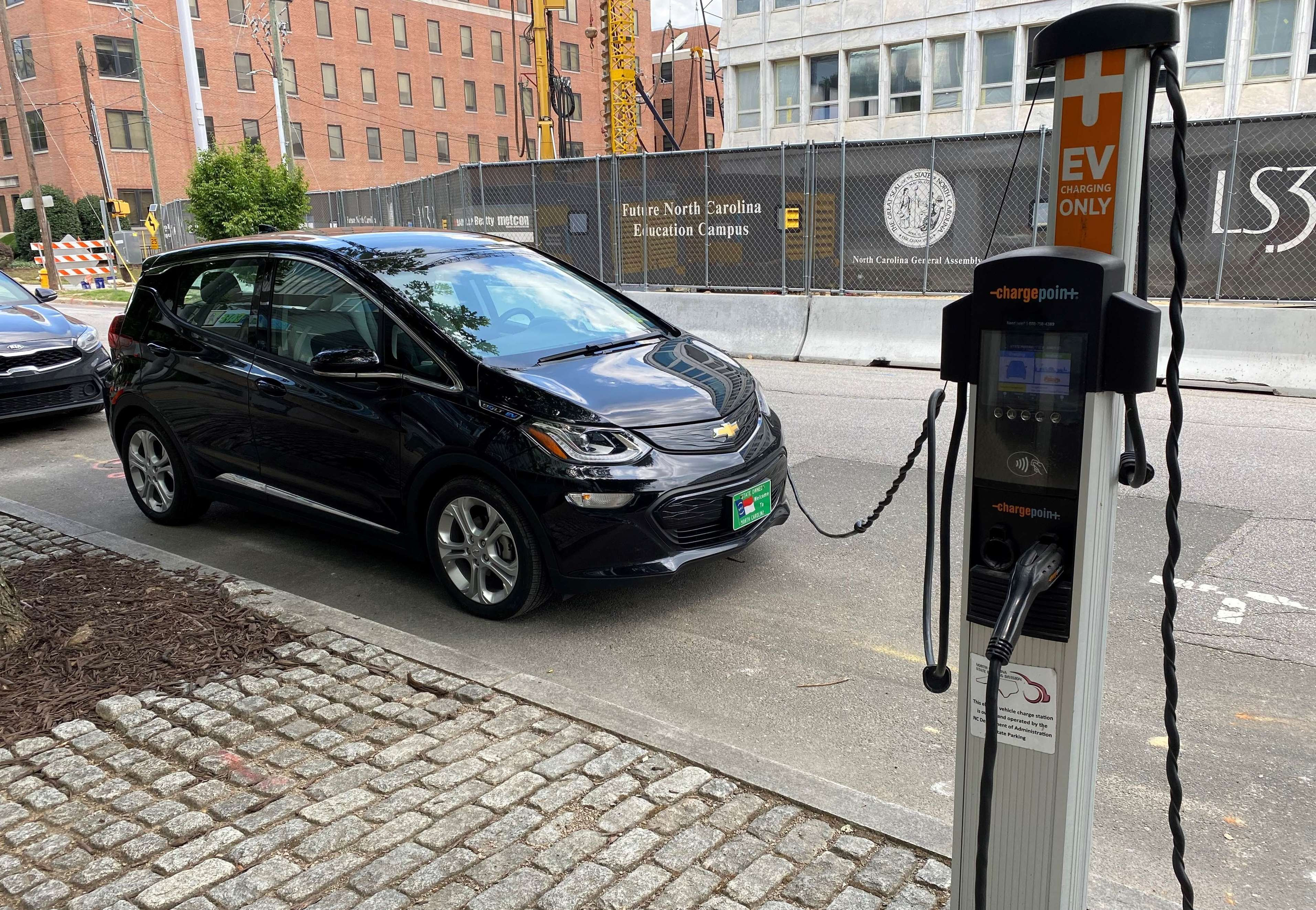
North Carolina will be able to expand its electric vehicle charging network to 10 community colleges and better train the next generation of students on clean vehicle technologies, thanks to a $1 million Charging and Fueling Infrastructure Discretionary Grant from the U.S. Department of Transportation.
The N.C. Department of Transportation received the grant award this week, as part of the Bipartisan Infrastructure Law. It advances the USDOT’s effort to develop a nationwide network of electric vehicle charging stations.
“We’re grateful to our federal partners for their continued support of North Carolina’s push for a clean energy economy,” said state Transportation Secretary Joey Hopkins in a press release. “This grant not only improves access to convenient and reliable EV charging stations so more people will feel comfortable owning an electric vehicle. It also takes an important step to ensure our workforce has the education, knowledge and skills needed to sustain the clean energy transition.”
The $1 million grant will pay to install 20 Level 2 EV charging stations at 10 community colleges statewide. Level 2 chargers take between four hours and eight hours to charge a vehicle. Participating community colleges also will be able to add clean vehicle training courses that teach students how to build and repair electric vehicles and install, maintain and operate EV chargers.
Among the 10 community colleges set to receive funds is the local institution Fayetteville Technical Community College.
The CFI grant adds to the $109 million North Carolina has already received in National Electric Vehicle Infrastructure Program funds. State officials are using the $109 million in NEVI funds to develop an EV charging network along interstates, major highways and in communities.
Visit the USDOT’s web page for a full list of CFI grant recipients announced this week.




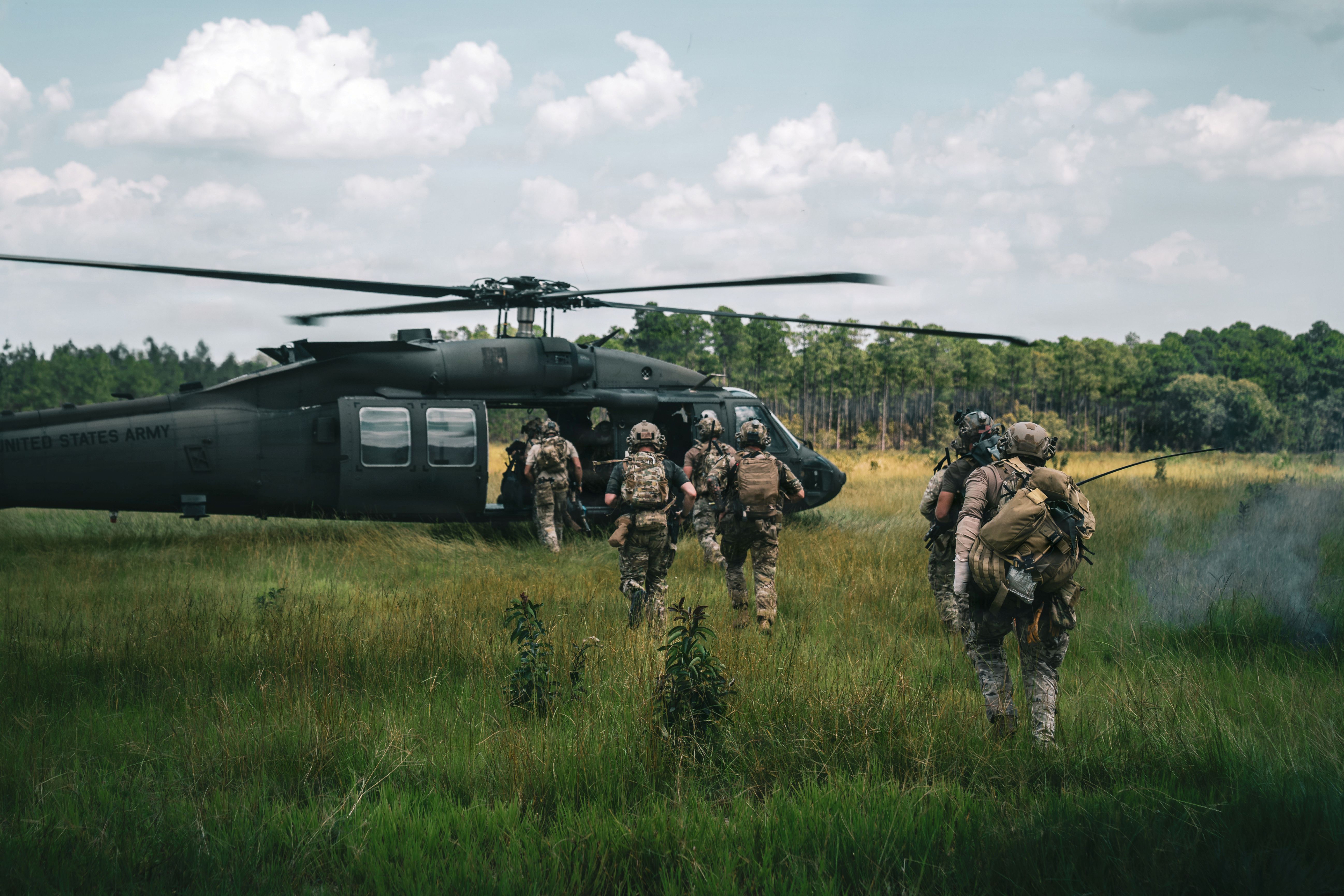
The US Army Special Forces (SF), known as Green Berets because they are awarded a green beret to wear following the rigorous selection and training process, are specialized military units trained to conduct special operations. Photo provided by the G
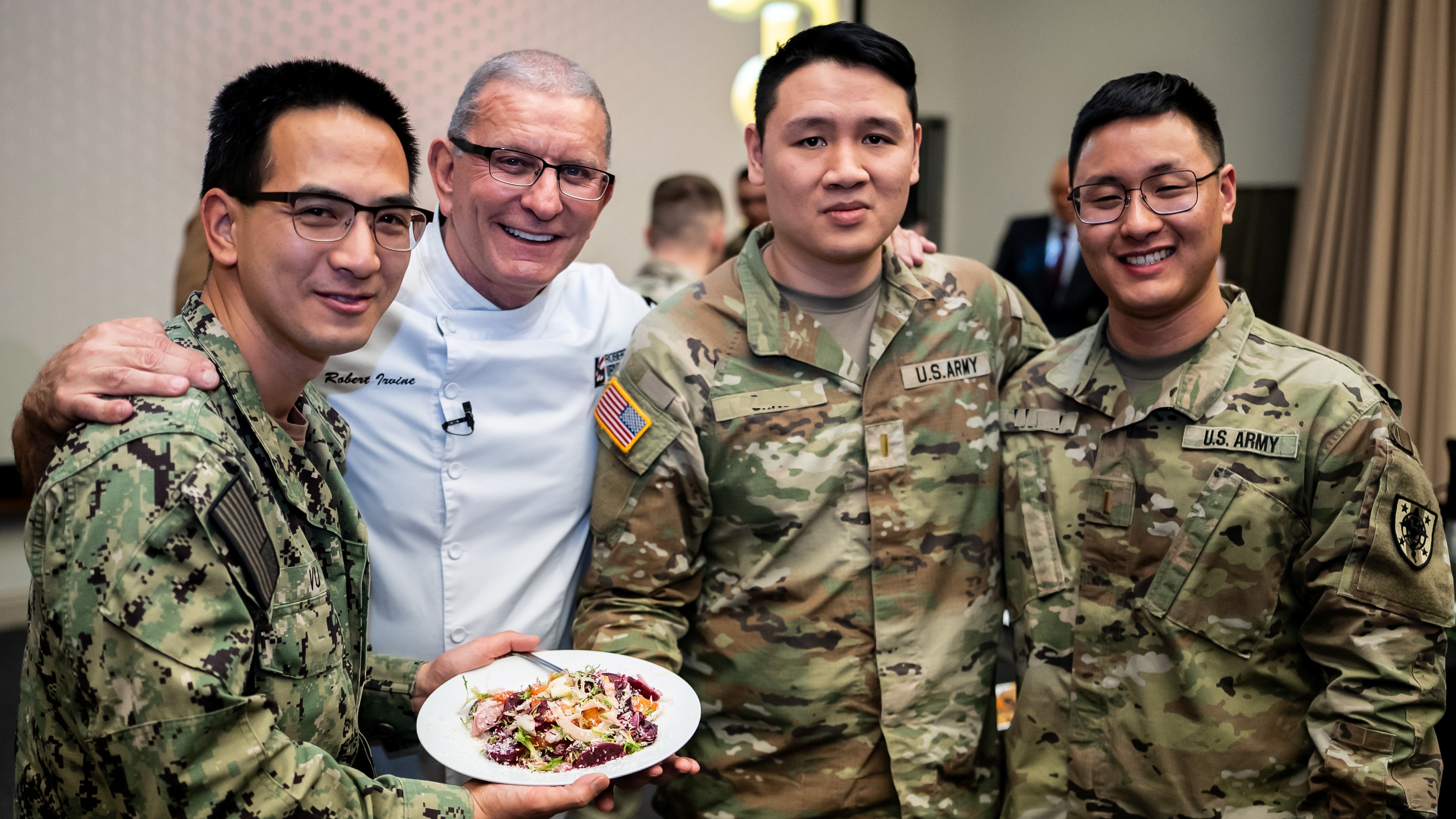
Fuel to Serve will go “beyond the dining hall,” using food and shared meals as trusted entry points to link families with a broader network of resources. Photo courtesy of USAA.USAA and the Robert Irvine Foundation recently announced Fuel to Serve. T

Yes, those are decorations currently in my home. Yes, I may have spent more money than average for two oversized mums that are taking up way too much space on my porch, and yes, I may have stood my ground in a Lowe’s hardware store arguing with my hu