

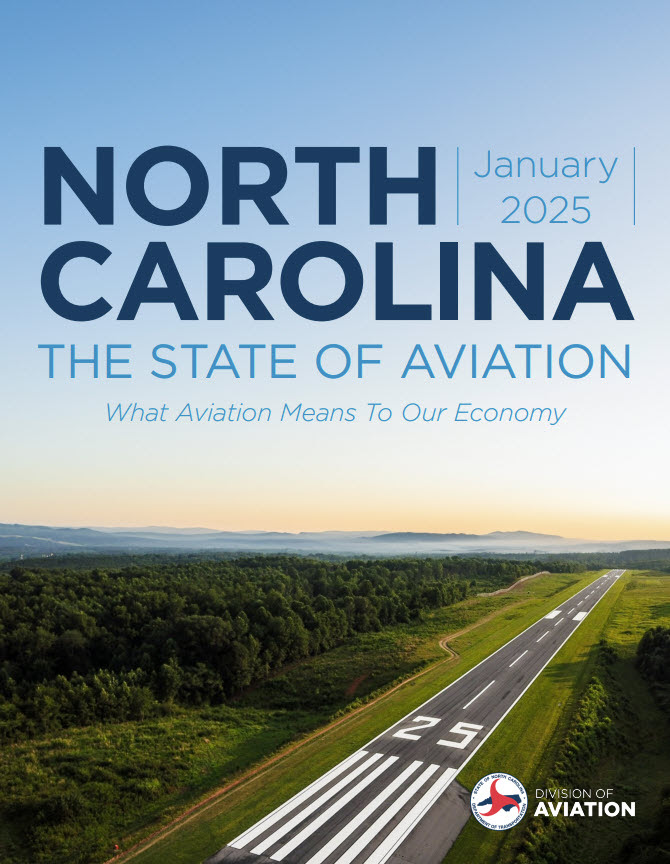
North Carolina’s aviation industry contributes $88 billion each year to the state’s economy and supports more than 427,000 jobs statewide, according to the 2025 North Carolina: The State of Aviation report released today, Jan. 3.
The N.C. Department of Transportation’s Division of Aviation released the report to highlight the industry’s substantial economic impact and the vital role local airports play.
"North Carolina’s aviation industry is not only a cornerstone of our economy, but also a key driver of innovation,” said Nick Short, interim director of the NCDOT Division of Aviation in a press release. “This report highlights the critical role our airports play in fostering economic growth, supporting new technologies and positioning the state as a leader in the future of aviation."
The biennial report examines the extensive economic influence of the state’s aviation system, which includes 10 commercial service airports and 62 general aviation airports. These facilities play a vital role in supporting diverse sectors such as agriculture, military operations, emergency response and aerospace innovation.
The report contains data compiled and analyzed for NCDOT by N.C. State University's Institute for Transportation Research and Education. Impacts are calculated based on factors such as jobs supported by the airports and the businesses that rely on them, and the impact of airport capital projects and operations.
Local airports within the Greater Fayetteville Business Journal's coverage area were included in the report. Those airports include:
According to the NCDOT, the state’s airports are also seeing significant growth in passenger services, with total passenger counts climbing to 74.3 million annually. These commercial service facilities connect travelers to 188 airline destinations, supporting business and leisure travel while enhancing the state’s global connectivity.
To explore the full report and learn more about how each airport contributes to its community and the state’s economy, visit the NCDOT State of Aviation webpage.






Hello, loyal readers. I am writing to you as someone older and therefore wiser (okay, I’m actually writing this the day before my birthday, but you will receive your copy after I’ve already celebrated). I was reminded of how truly blessed I am t

Renaissance offers a broad range of massage services, from standard Swedish and deep tissue massages to signature massages that offer clients aromatherapy, a farmhouse-sourced “honey heel glaze” foot treatment and hot stone therapy. Photo by Style To
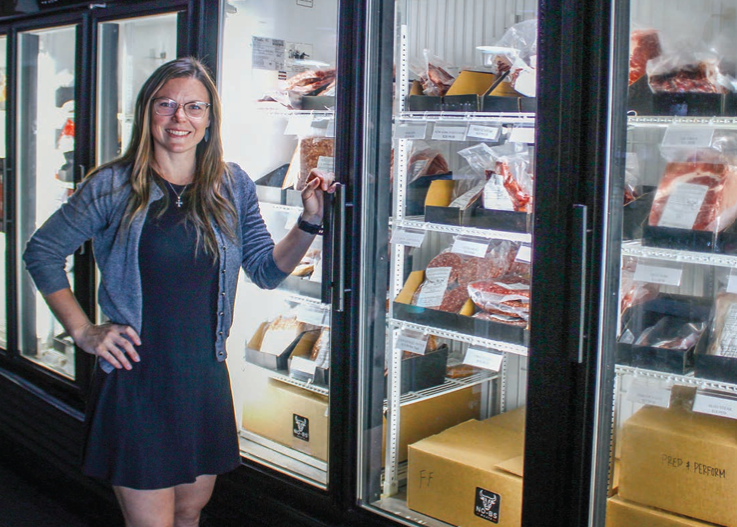
Nikole (pictured) and Lakota Shawn began selling their meat at farmers markets and in an online store in 2024. Now, they’ve opened their first brick-and-mortar location. Photo by GFBJ.The Shawn family believes in quality, locally sourced food, and th