


Fayetteville State University is preparing to introduce advanced virtual reality and artificial intelligence-assisted training into its social work curriculum starting in spring 2026. Through collaboration with the University of Utah and the Cumberland County Department of Social Services, FSU will be the first academic institution in North Carolina to implement the Virtual Social Work Trainer, developed by the University of Utah’s Social Research Institute. The platform combines the Virtual Home Simulation and the Virtual Motivational Interviewing application, allowing students to engage in high-stakes decision-making within realistic home visit and client interview scenarios.
“FSU is proud to be the first in North Carolina to pioneer the Virtual Social Work Trainer platform from the University of Utah,” said Michelle E. Bates, Ph.D., interim MSW program director and assistant professor, in a press release. “This partnership is about more than just new technology. It gives our students a competitive edge and is transforming how social work is taught across the state. By leading this effort, we ensure that FSU students and the families they serve benefit from the most advanced and hands-on preparation available. We are excited to help set a new standard for child welfare education in North Carolina.”
The partnership was established in spring 2025, following independent inquiries from FSU and Cumberland County DSS regarding the university-developed simulation technology. The three institutions subsequently formed the North Carolina Child Welfare Consortium to align academic preparation with workforce training and to improve child welfare outcomes across the state.
A 2024 report by the North Carolina Department of Health and Human Services found that annual turnover among child welfare social workers exceeds 30%, with more than 70% of counties reporting caseloads above the state’s recommended standard. The collaboration seeks to build a better-prepared workforce and reduce those rates through early, skills-based learning.
Cumberland County DSS began using the technology in early 2025 and has already observed measurable outcomes. Between February and July, the department reduced its Children Services turnover rate by nearly half and filled 14 previously vacant positions.
"This type of training can help our social workers and students studying social work determine if this is the field of work they want to pursue," said Heike Hammer, performance management division director at Cumberland DSS, in a press release. "It will prepare them for the real-world challenges they may encounter. These tools can also help social workers feel more confident [in their ability] to do their jobs well. When staff are trained properly, they're more likely to stay in the field. That means fewer people leave, which helps lower caseloads for those who remain—and that can reduce burnout."
Cole Benson, senior research analyst at the University of Utah's Social Research Institute and the lead for software implementation with Cumberland County DSS, identified the technology's primary strength as its capacity to monitor learning progression across an entire career.
"The VSWT platform incorporates continuous performance tracking, comparing trainee decisions against expert consensus profiles," he said. "Early pilot data from implementations have shown statistically significant improvements in decision-making related to environmental assessment of risk and protective factors. These studies are based on roughly four years of VHS implementation on both the child welfare agency side and in [bachelor's and master's degree curricula]. The platform generates detailed performance metrics that can be used for research on training effectiveness, skill acquisition patterns, and competency development."
Prospective students are encouraged to explore the programs that make this possible. Additional information on integrating advanced technology and practical skills in social work education is available on the School of Social Work’s website.




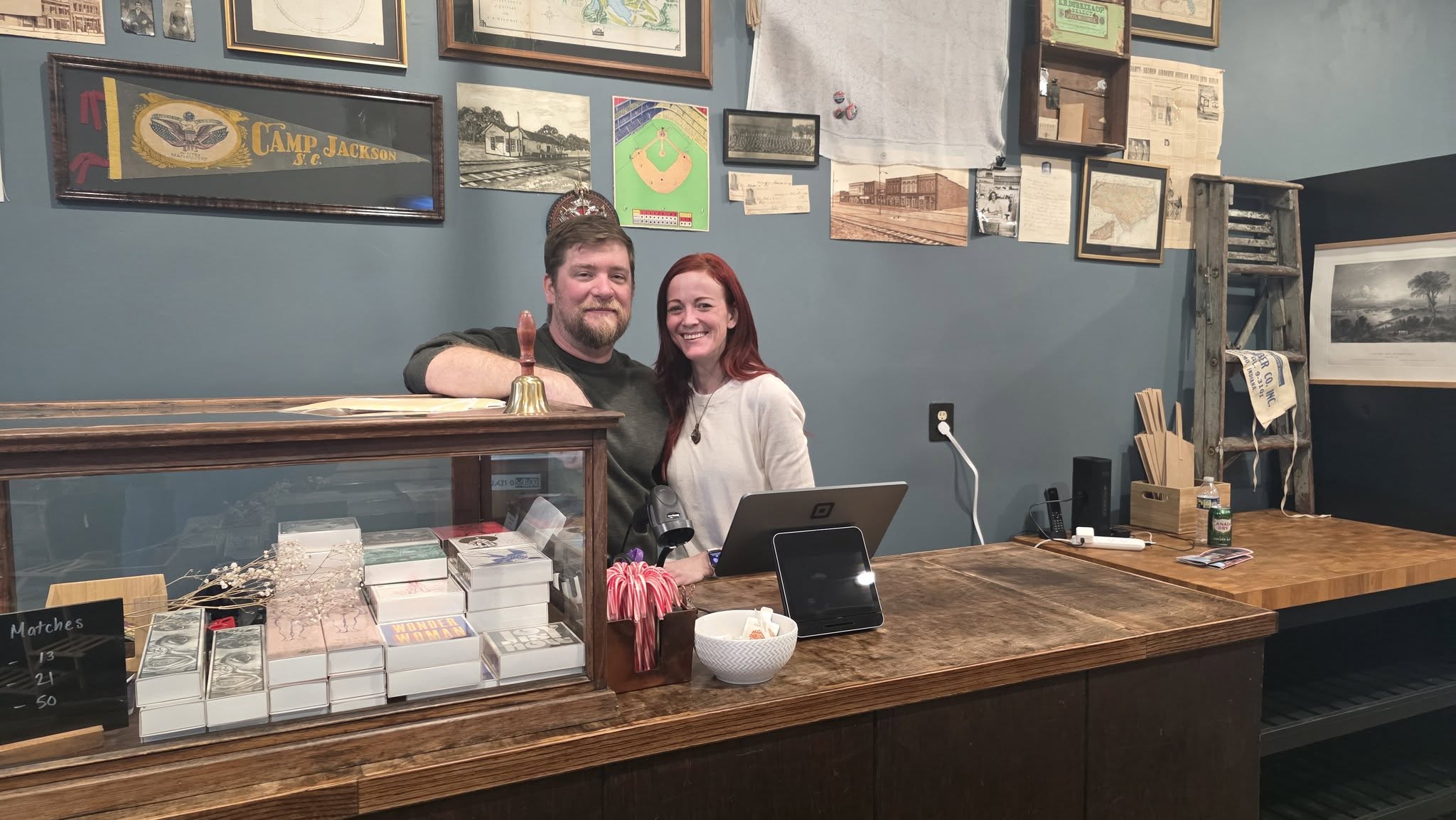
Brian and Staci Graybill opened their third business together, Market Square Pantry, in December 2025. Photo provided by Faith Hatton. For Fayetteville entrepreneurs Brian and Staci Graybill, building a business has often started when they were

The venue features two levels, two fully stocked bars, audio-video systems including projectors, and lighting solutions, an in-house culinary team, lounge space, a bistro section and private rooms, a state-of-the-art DJ booth and on-site staff to hel

Brad and Kelley McLawhorn became business partners in 2001 when they first opened a restaurant on Reilly Road. Now, their highly praised catering company continues to impress community members with flexibility, quality and personalized service. Photo