

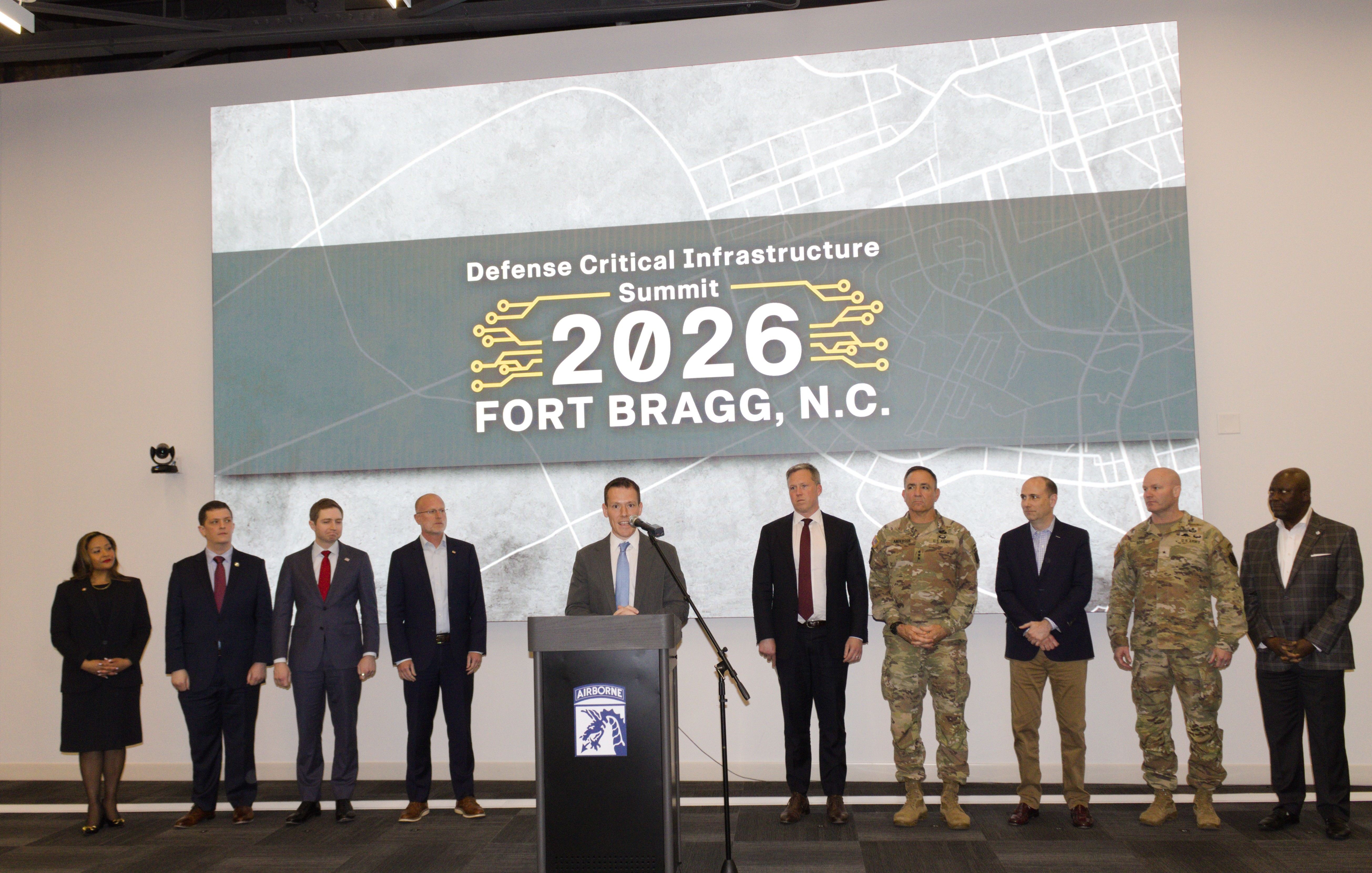
On May 14, Fort Bragg hosted Secretary of the Army Daniel Driscoll for the inaugural Army Defense Critical Infrastructure (DCI) Summit.
The security of the nation and the readiness of the military are inextricably linked to the resilience of our DCI. In recognition of this interdependence, the XVIII Airborne Corps brought together key leaders from the Army, state and local government, interagency and private-sector partners to forge enduring partnerships to harden our DCI's resilience.
“The Army has approximately 288 camps, posts and stations, and the overwhelming majority of them rely on privately owned utilities: power, water, natural gas and so on. And we recognize that our interagency partners are also critical, and that DCI requires a collaborative and joint approach. Disruption of these services can interfere with our ability to move forces and equipment in a time of need. This is a no-fail mission and is a national security imperative. The threat to DCI is real, persistent and growing. That is why a summit like this matters,” shared Principal Cyber Advisor to Secretary of the Army Brandon Pugh, three-star general equivalent and the Army secretariat lead for DCI.
The summit made it clear that the Army is committed to three things:
“Today was a DCI (defensive critical infrastructure) war game, and it was the first of its kind that we've done at this scale with 14 external partners from across the federal, state, local government and private institutions that have so much impact on our bases. We went after four operational challenges using a threat similar to Operation Spider's Web, which occurred in Russia when Ukraine, deep into the country, was able to use drones to deeply impact Russia's operational abilities. So we went after the physical threats from drones, cyber impacts, force projection dependencies and information sharing lag, and we worked with these partners to start conversations that we think will have a deep impact on our nation's security,” shared Driscoll.
Speakers emphasized that this event marked the start of the conversation on DCI, not the end of it.




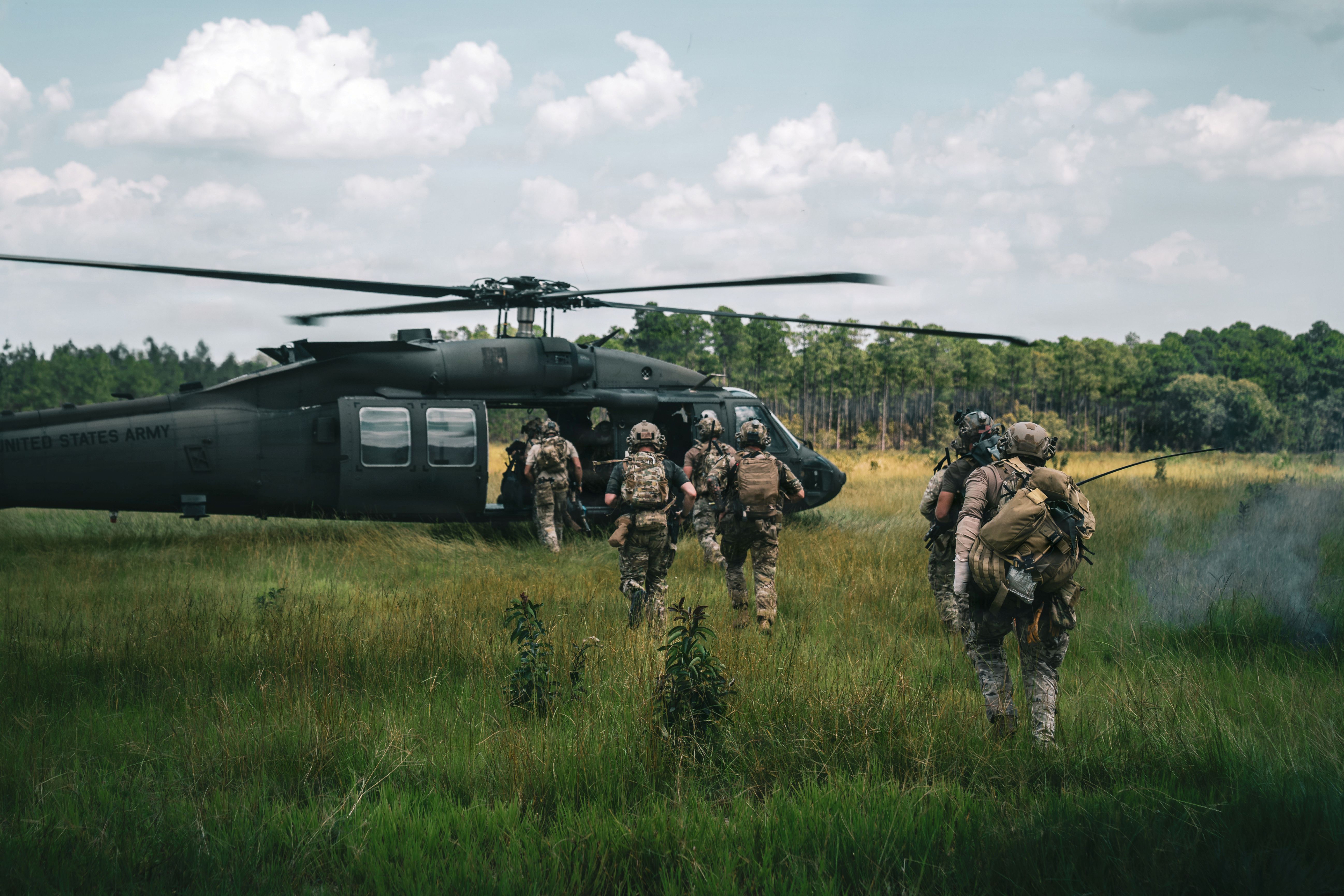
The US Army Special Forces (SF), known as Green Berets because they are awarded a green beret to wear following the rigorous selection and training process, are specialized military units trained to conduct special operations. Photo provided by the G
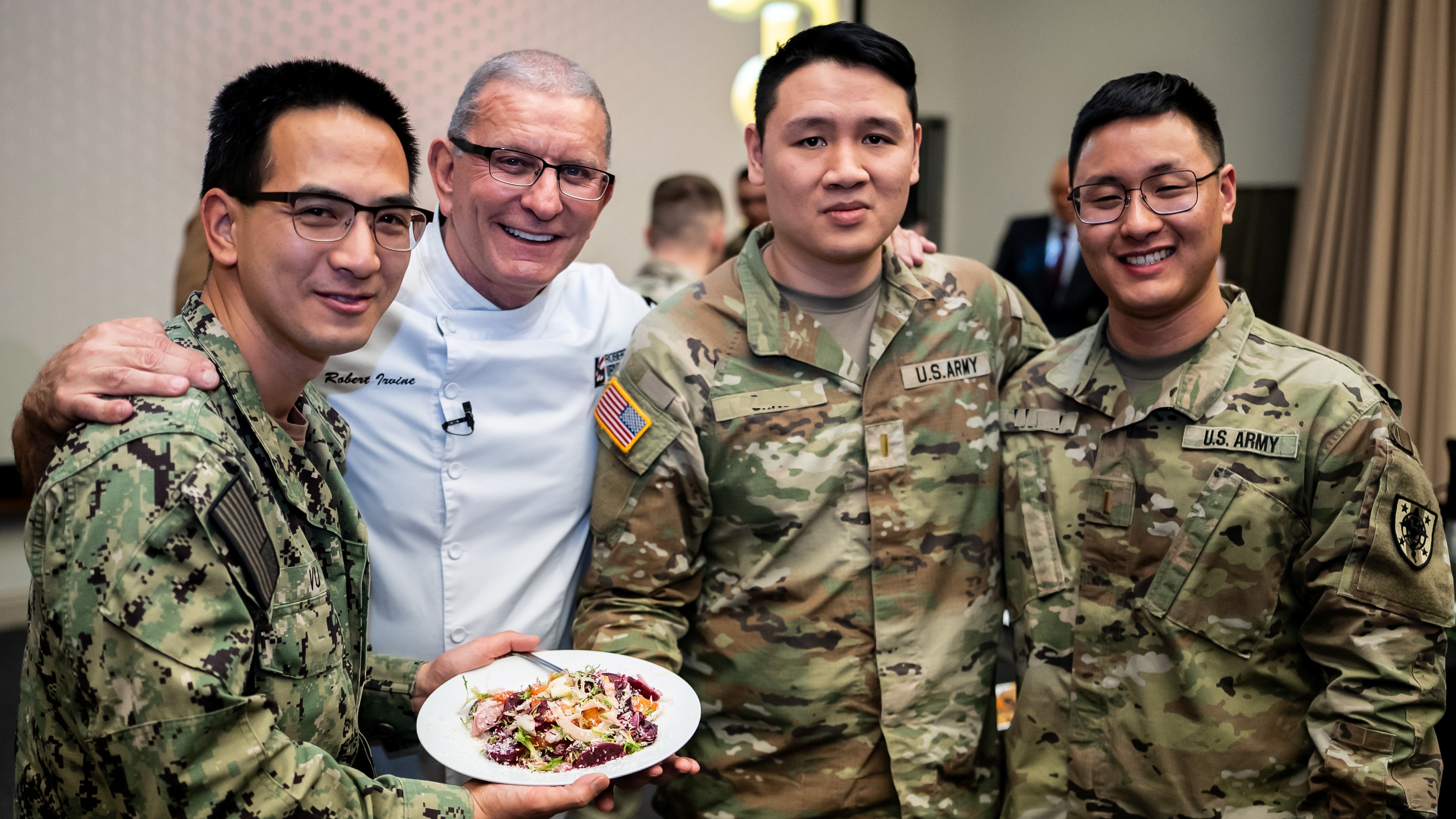
Fuel to Serve will go “beyond the dining hall,” using food and shared meals as trusted entry points to link families with a broader network of resources. Photo courtesy of USAA.USAA and the Robert Irvine Foundation recently announced Fuel to Serve. T

Yes, those are decorations currently in my home. Yes, I may have spent more money than average for two oversized mums that are taking up way too much space on my porch, and yes, I may have stood my ground in a Lowe’s hardware store arguing with my hu