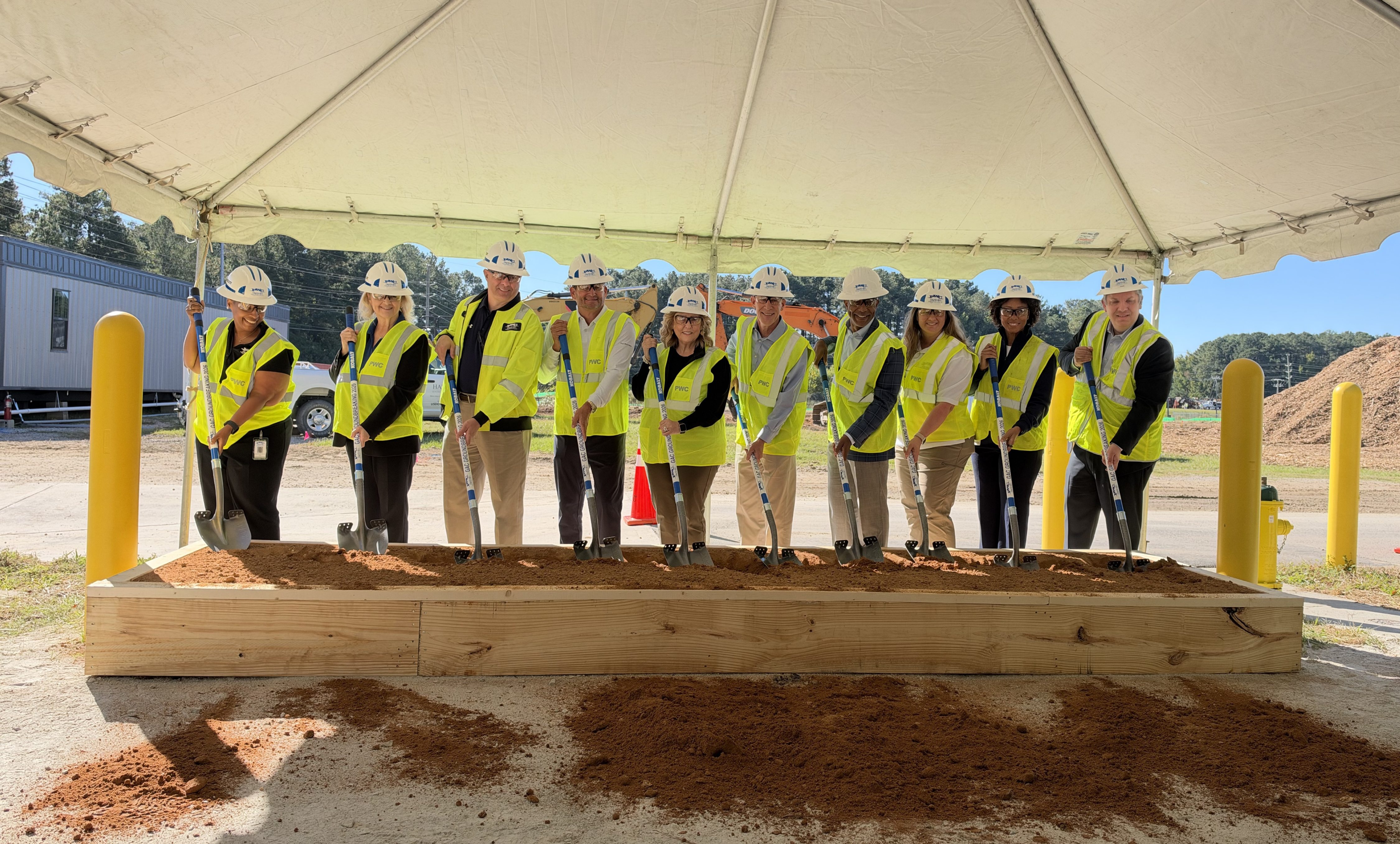
PWC broke ground on its new Granular Activated Carbon Treatment System (GAC) at the P.O. Hoffer Water Treatment Facility on Oct. 21, 2026. This groundbreaking marks a major milestone in PWC’s ongoing efforts to address PFAS in the community’s drinking water. The new GAC system will use granular activated carbon to filter PFAS, or per- and polyfluoroalkyl substances, from drinking water.
“For more than a decade, PWC has advocated for reducing PFAS and other industrial contaminants at the source of their origins, while investing in the treatment technologies necessary to protect customers. This project reflects that ongoing commitment to do the right thing for all of our customers. Once operational, these facilities will provide advanced treatment designed to remove PFAS and other emerging contaminants, helping PWC to continue to meet and exceed state and federal drinking water standards for years to come,” shared PWC CEO and General Manager Tim Bryant during the event.
Building this facility is a large-scale undertaking, and PWC is dedicated to making sure that PWC customers feel the financial impact as little as possible. The total financial investment for this project is $155.1 million. PWC has secured about 57% of funding through grants as well as low-interest loans.
“Today, we are here to break ground on a new facility, but what we’re really celebrating is our community’s investment in its people. This project represents an investment in the families who rely on safe drinking water every day. It represents an investment in businesses that depend on reliable infrastructure to operate and to grow. It represents an investment in the future of a community that continues to move forward with confidence and with purpose,” shared Mayor Mitch Colvin during his remarks.
The groundbreaking follows years of monitoring, evaluation, and planning. PWC’s work has included bench-scale treatment evaluation, quarterly monitoring, GAC pilot testing and modeling, facility design, development of a utility-wide PFAS plan and the project bid process. Construction is estimated to take about three years.
The groundbreaking comes amid a major settlement addressing PFAS contamination. At the event, North Carolina Department of Environmental Quality Secretary Reid Wilson
discussed a recently announced $590 million agreement involving the state, 11 local governments, Chemours and DuPont.
“This groundbreaking is something to celebrate–an important step in ensuring that people who live here have safe drinking water coming out of their tap, just like they expect and deserve,” remarked Wilson.
The project highlights the importance of cooperation among PWC, elected officials, state environmental regulators, and funding partners to address a challenge affecting the broader Cape Fear River Basin. GAC treatment represents an investment in Fayetteville’s water system that will help protect drinking water quality and support the community’s future needs.




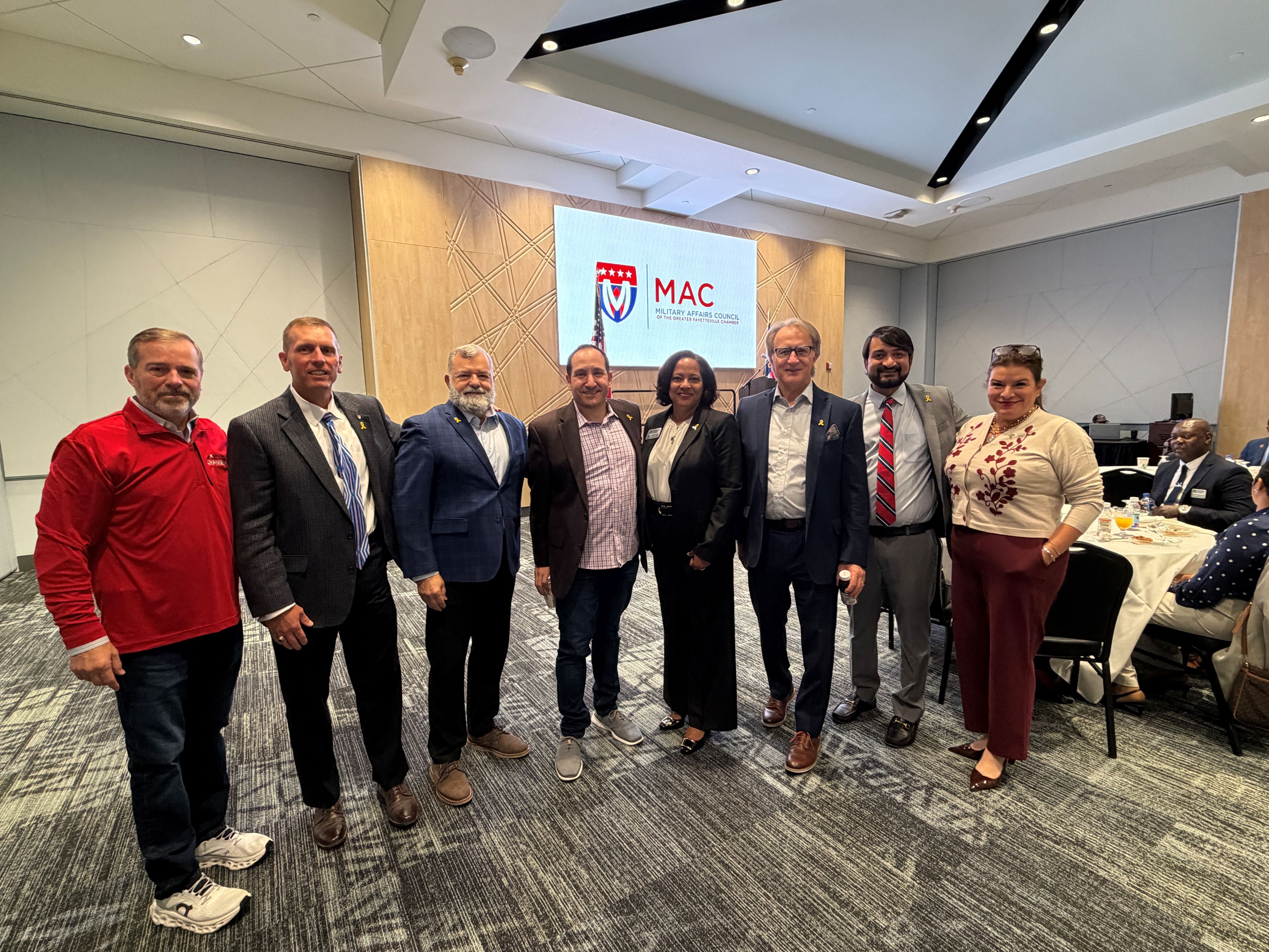
The Military Affairs Council currently has around 170 members and is always looking to grow and recruit additional members. Photo provided by The MAC.A mainstay institution that helps connect Fort Bragg to the greater Fayetteville area continues to c