Q: When people think of neurosurgery, they often think of removing tumors or repairing injuries. How would you describe modern neurosurgery, and how is the field evolving?
We still perform a lot of brain tumor removals and spine procedures, including decompressing the nerves and performing infusions. Traditionally, much of what we do addresses a problem, but we don’t necessarily repair the damage that has already occurred.
As technology advances, we’re gaining the ability to do more than simply treat a condition. We’re beginning to explore ways to repair damaged tissue and restore function, whether that damage occurred before surgery or as a result of an injury or disease. I think that’s a significant shift in our field.
Q: What are some of the biggest changes you've seen in neurosurgery?
One of the biggest is precision medicine. We’re getting better at identifying specific gene mutations in brain tumors, which allows us to target treatment more accurately while protecting healthy tissue.
Technology has also made a tremendous difference. Robotics and neuronavigation, which uses imaging to guide surgeons in real time, have improved precision, reduced surgical time and helped make procedures safer.
Looking ahead, I believe neuroregenerative medicine will be one of the biggest developments over the next 5 to 10 years. Technologies such as stem cell therapy, brain- computer interfaces and targeted stimulation-based therapies may allow us to repair damaged tissue or even fix genetic conditions in the brain and the spinal cord to help patients regain function.
Q: What exactly is neuroregenerative medicine, and what does regeneration look like?
I use the term neuroregeneration as an umbrella term for treatments and technologies that allow patients to recover neurological function. Some therapies offer the potential for true tissue regeneration, like stem cells, which may help replace cells damaged by conditions such as stroke.
Gene therapy is another area of promise. It can target specific genes to address underlying genetic problems or influence processes involved in recovery. Stimulation-based therapies can help the brain’s natural ability to repair itself and reorganize around damaged areas.
Then there’s brain-computer interface technology, which allows people to control computers or other devices using brain signals. This could help patients regain independence, communicate or even control artificial limbs.
Q: Why has repairing or regenerating the nervous system historically been so challenging?
Honestly, we haven’t had the technology. The brain is incredibly complex. With stem cell therapy, for example, it’s difficult to get cells to the right location and ensure they develop into the specific types of cells needed.
Brain-computer interfaces present a different challenge. We’re essentially reading electrical signals from the brain and translating them into commands that control an external device. That’s something our bodies do naturally, but replicating it with technology is extremely complex.
We’ve made significant breakthroughs in both areas, and that’s what makes this such an exciting time in medicine.
Q: How is this changing the way you approach a patient, particularly those with serious conditions such as stroke?
Hemorrhagic stroke, which occurs when a blood vessel ruptures and causes bleeding in the brain, is a good example. Patients can experience significant damage, often resulting in permanent weakness or speech difficulties.
We’ve spent decades studying whether removing the blood clot surgically improves outcomes. There is encouraging research showing that minimally invasive procedures can help, but the improvements have been relatively modest.
I think the next step is combining those procedures with regenerative therapies. We may be able to remove the blood clot, help patients recover more quickly and, ultimately, regenerate damaged tissue so they can regain function. That’s where I see tremendous potential.
Q: What other patients could benefit from these advances?
Spinal cord injury patients are a major group. Following an accident or other traumatic injury, patients may lose the ability to walk or use their arms. Helping restore that mobility would be life-changing.
There is also significant potential for patients with traumatic brain injuries and neurodegenerative conditions such as Alzheimer’s and Parkinson’s disease. The goal could be to improve cognitive abilities, restore movement or reduce tremors so patients can perform everyday activities more independently.
Q: Can you share an example of a technology that once seemed like science fiction but is now becoming a reality?
During my training in Buffalo, I participated in an early clinical trial involving a technology called a Stentrode. It’s essentially a small device placed in a blood vessel near specific areas of the brain. It can read brain signals and help patients control computers and other technology using their thoughts.
We worked with patients who had experienced devastating strokes and had very limited mobility. The possibility of helping someone communicate or interact with technology through a minimally invasive procedure was remarkable.
There is also exciting research involving nanotechnology and other emerging tools that could eventually improve recovery after stroke. Things that once seemed like science fiction are quickly becoming possibilities.
Q: Where do you see all this technology and neuroscience and the regenerative medicine going in 10 years?
A: I think many of these technologies will become much more commonplace. A patient who experiences a stroke may go through traditional rehabilitation and then have additional options to help restore function, whether through stem cell treatments, brain-computer interfaces or other regenerative procedures.
But we also have to consider accessibility and cost. Some groundbreaking therapies, including gene therapy, are extremely expensive. As physicians, we have to think about how we can make these treatments available to more people.
That’s one reason I’m involved in a research initiative exploring the development of an ambulatory neuroscience center. The concept is similar to an urgent care center, where patients could receive certain advanced neurological procedures in an efficient, lower-cost setting and return home the same day.
If we can develop a model that makes these treatments more affordable and accessible, we can bring the benefits of emerging science to many more patients.
Ultimately, I envision a future where we aren’t just treating neurological conditions or managing their symptoms. We’re helping repair damage, restore function and give people more opportunities to live independently. That’s what makes the future of neurosurgery so exciting.




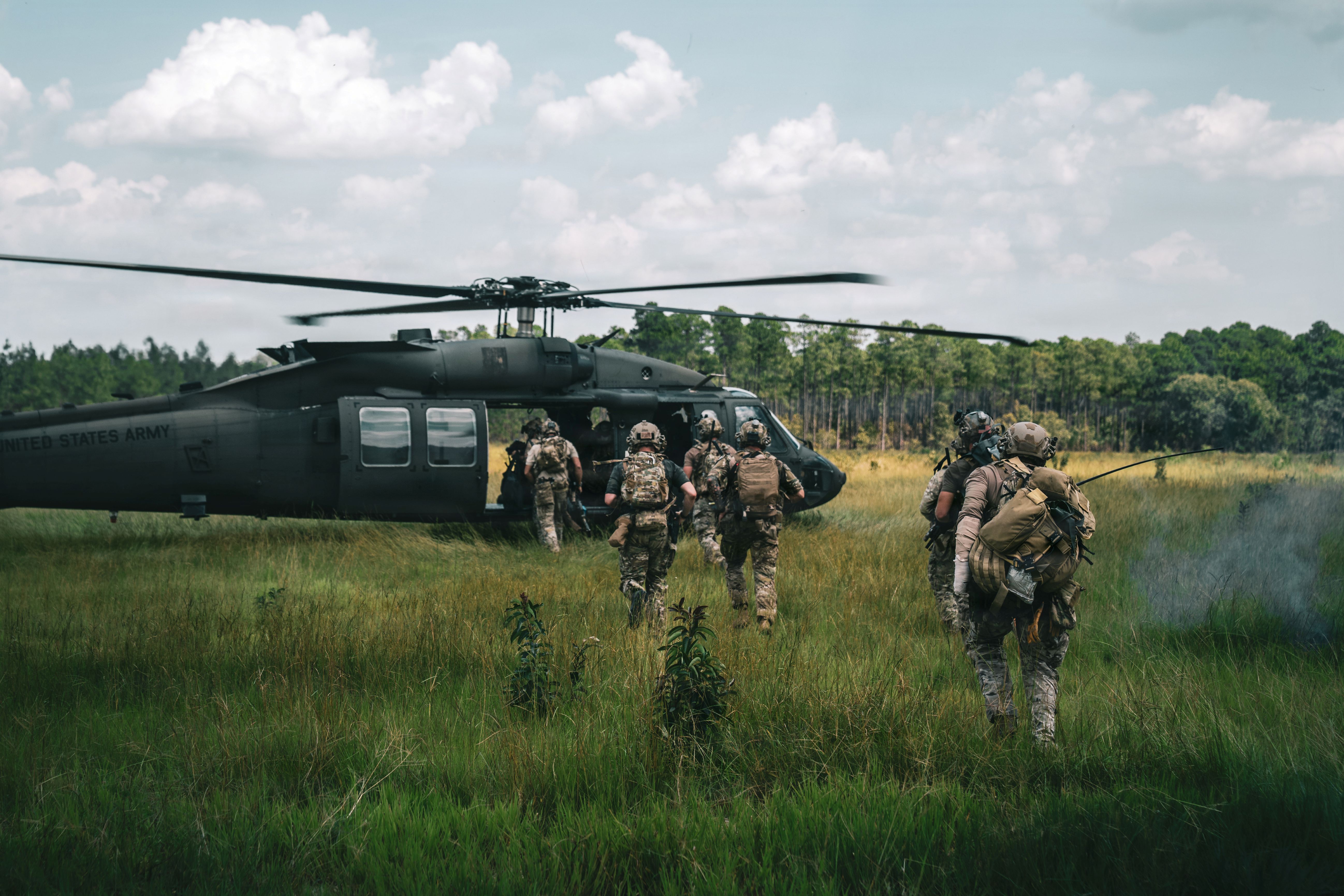
The US Army Special Forces (SF), known as Green Berets because they are awarded a green beret to wear following the rigorous selection and training process, are specialized military units trained to conduct special operations. Photo provided by the G
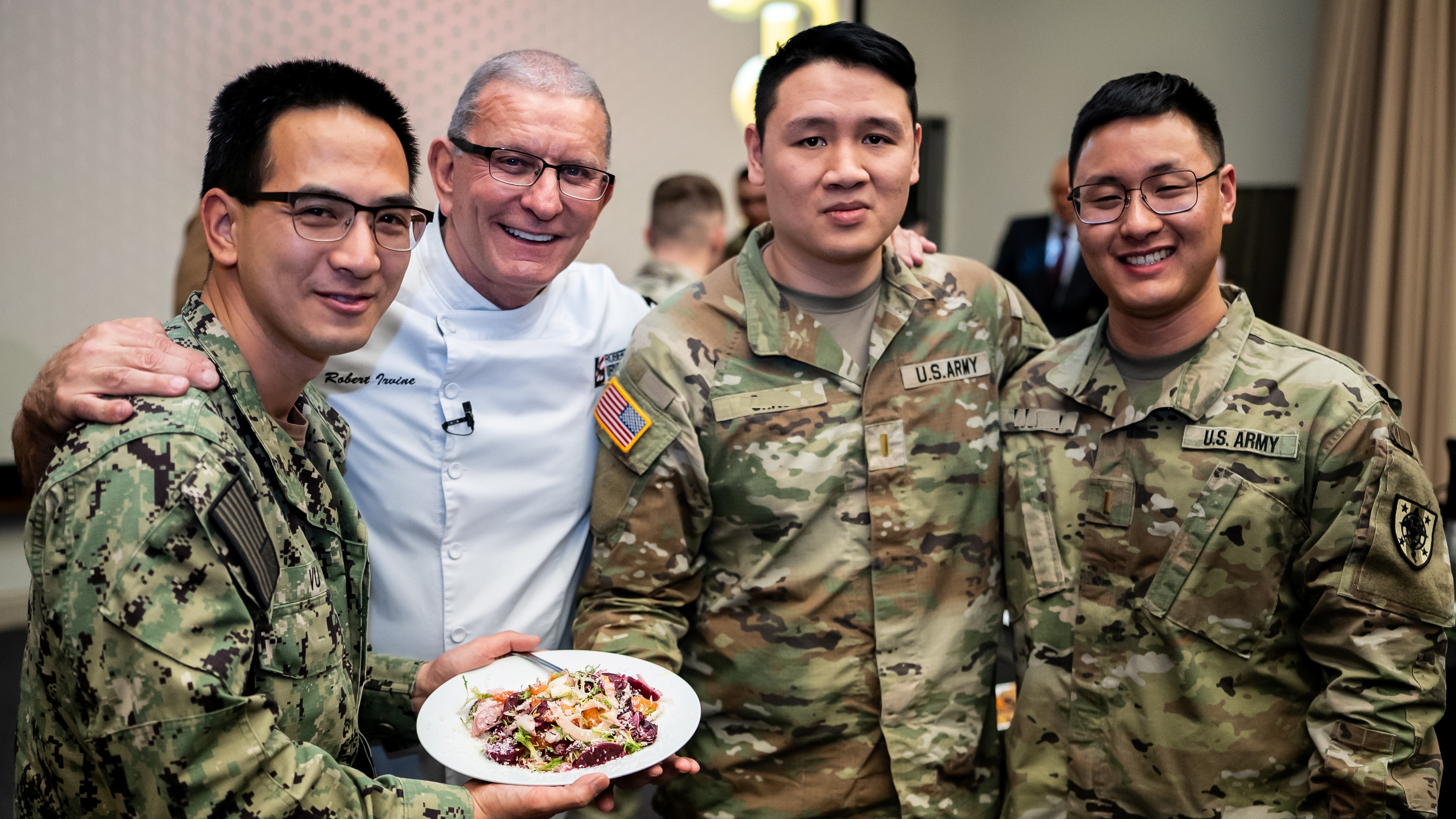
Fuel to Serve will go “beyond the dining hall,” using food and shared meals as trusted entry points to link families with a broader network of resources. Photo courtesy of USAA.USAA and the Robert Irvine Foundation recently announced Fuel to Serve. T

Yes, those are decorations currently in my home. Yes, I may have spent more money than average for two oversized mums that are taking up way too much space on my porch, and yes, I may have stood my ground in a Lowe’s hardware store arguing with my hu