Downtowns grow when they give people a reason to visit—and a reason to stay longer once they arrive. The Arts Council’s upcoming Grand Opening of the ArtsXL Arts Accelerator (214 Burgess Street, Downtown Fayetteville) is designed to do exactly that: increase visitation, strengthen the visitor economy, and convert cultural participation into measurable spending at local businesses.
Arts and culture do not operate on the margins of an economy. They operate at the center of a place’s brand, its foot traffic, and its competitiveness. The best available evidence is clear: when people show up for arts experiences, they also buy dinner, pay for parking, shop locally, and—critically—book rooms.
The local proof: Cumberland County’s arts economy is already “big business”
The Arts & Economic Prosperity 6 (AEP6) study, conducted by Americans for the Arts, quantified the economic and social impact of nonprofit arts and culture in communities across the country. In Cumberland County (FY2022), AEP6 found $72.16 million in total industry expenditures—driven by $44.33 million in spending by arts and culture organizations and $27.83 million in event-related spending by audiences.
That economic activity supported 1,111 jobs and generated $44.09 million in personal income paid to residents. It also generated meaningful public revenue—nearly $983K in local (city/county) taxes, $1.62M in state taxes, and $6.87M in federal taxes.
Those numbers are not abstract. They represent restaurant shifts filled on performance nights, retail receipts tied to festival weekends, and local wages supported by cultural commerce.
Visitation is the multiplier—and ArtsXL is built to scale it
AEP6 also captured attendance and visitor composition. In Cumberland County, nonprofit arts and culture events drew an estimated 899,618 in-person attendees in FY2022. Importantly, 22.3% of that attendance was nonlocal—approximately 200,615 visits from outside the county.
Why does that matter? Because nonlocal attendance is where tourism and economic development converge.
AEP6 found that in Cumberland County, nonlocal attendees spend more per person, per event than locals ($41.37 vs. $27.30), excluding admission. That additional spend flows directly into hospitality and service sectors—food and drink, transportation, and retail shopping, plus lodging when visitors stay overnight.
ArtsXL is being developed to increase the volume and frequency of “reasons to visit”—the kind that can be marketed, packaged, and programmed across seasons. More cultural programming means more opportunities to convert a casual downtown trip into a fuller visitor itinerary: an exhibit, a class, a performance, dinner, and a return visit.
North Carolina’s statewide data underscores the tourism upside
At the state level, AEP6 shows the same dynamic—at even larger scale. In FY2022, North Carolina’s nonprofit arts and culture sector generated $2.229 billion in direct economic activity and supported 37,977 jobs statewide.
The visitor spending story is even more pronounced: the average event-related spend in North Carolina was $39.10 per person per event, but nonlocals spent $96.45 on average—more than double local spending. This is exactly why cultural assets are increasingly viewed as destination infrastructure: they generate trips that look like tourism, behave like tourism, and spend like tourism.
National context: arts and culture are a major U.S. economic sector
Nationally, AEP6 found that the nonprofit arts and culture sector generated $151.7 billion in economic activity in 2022—$73.3B in organizational spending plus $78.4B in audience event-related spending. That activity supported 2.6 million jobs, produced $101B in personal income, and generated $29.1B in tax revenues. (aep6.americansforthearts.org)
In other words: the arts are not simply a “quality of life” amenity. They are an industry—one that competes, produces, employs, and returns revenue to governments at every level.
What the Grand Opening represents for Downtown Fayetteville
The Grand Opening of ArtsXL is a public milestone, but the economic value is longer-term:
AEP6 demonstrates that audiences already generate millions in event-related spending locally. ArtsXL is about increasing the throughput of those economic interactions—more events, more participation, more visitors, and more consistent year-round activity that downtown businesses can plan around.
A shared invitation to the visitor economy
ArtsXL will succeed fastest when it is treated as what it truly is: a community asset with measurable economic returns. For downtown merchants, hoteliers, restaurateurs, and tourism partners, the Grand Opening is an opportunity to align calendars, cross-promote experiences, and build packages that turn arts participation into overnight stays and multi-stop itineraries.
The data tells us what works. Now we have the chance to scale it—at 214 Burgess Street, in the heart of Downtown Fayetteville.

Hello, loyal readers. I am writing to you as someone older and therefore wiser (okay, I’m actually writing this the day before my birthday, but you will receive your copy after I’ve already celebrated). I was reminded of how truly blessed I am t
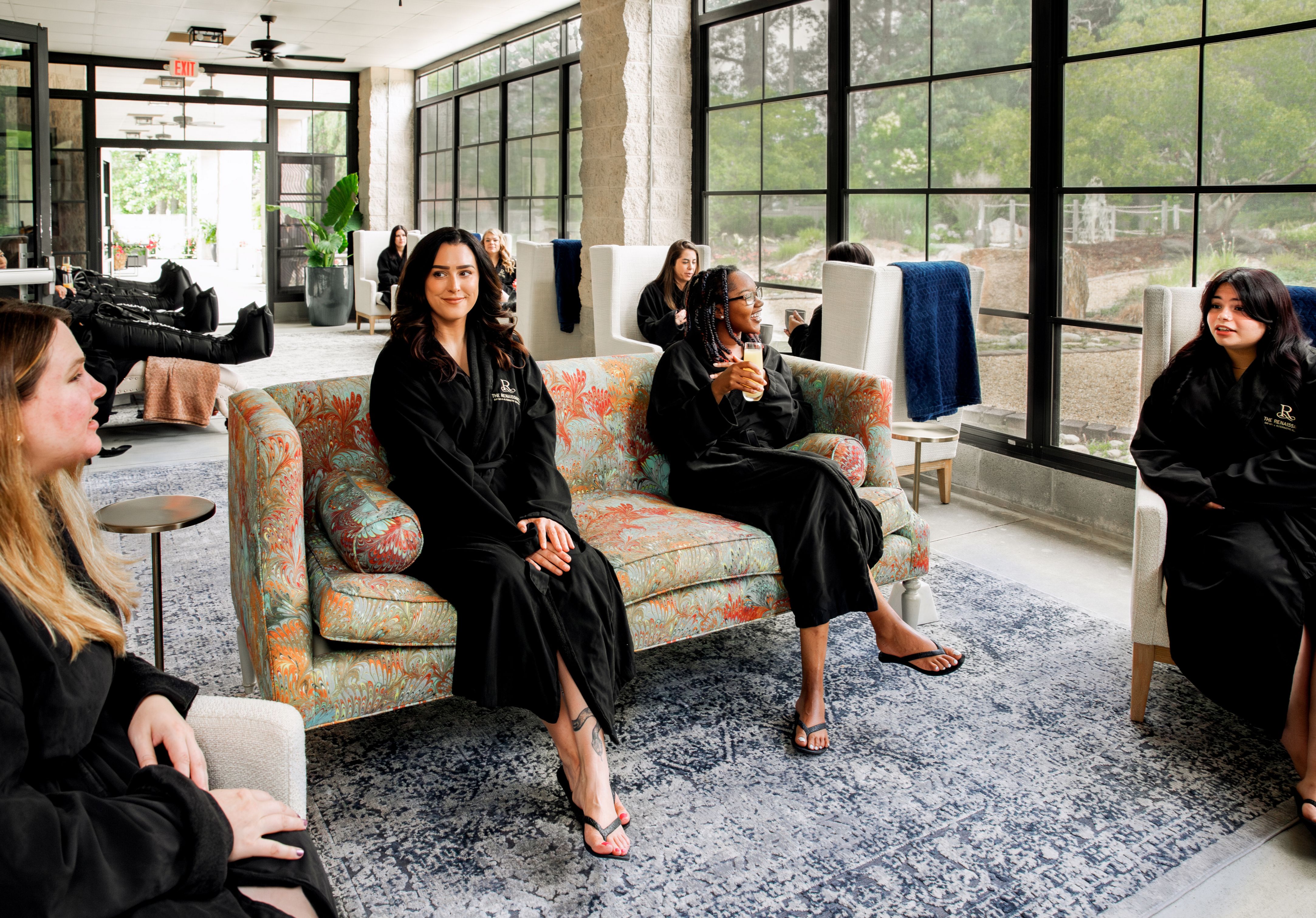
Renaissance offers a broad range of massage services, from standard Swedish and deep tissue massages to signature massages that offer clients aromatherapy, a farmhouse-sourced “honey heel glaze” foot treatment and hot stone therapy. Photo by Style To
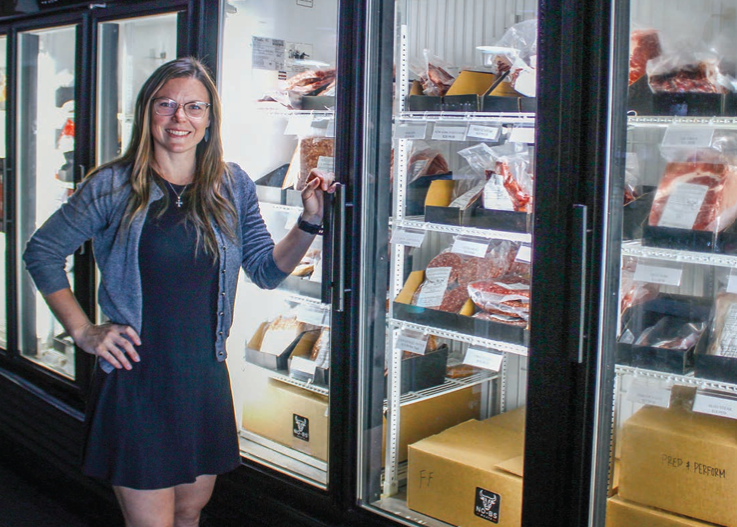
Nikole (pictured) and Lakota Shawn began selling their meat at farmers markets and in an online store in 2024. Now, they’ve opened their first brick-and-mortar location. Photo by GFBJ.The Shawn family believes in quality, locally sourced food, and th