
Introduction: The Role of Preventative Maintenance in Commercial Plumbing Preventative maintenance is a cornerstone of responsible facility management, especially when it comes to commercial plumbing systems. Rather than waiting for costly emergencies to arise, proactive care helps businesses avoid disruptions and keeps operations running smoothly. From tankless water heaters to fixtures and drains, a well-structured maintenance plan safeguards both property and budgets.
The Value of Preventative Maintenance
Investing in preventative maintenance yields substantial returns for commercial properties. Regular inspections and tune-ups reduce the likelihood of unexpected breakdowns, which can lead to expensive repairs and operational downtime. Additionally, well-maintained plumbing systems last longer and operate more efficiently, saving money on both repair costs and utility bills. Ultimately, preventative maintenance offers peace of mind and helps facility managers focus on core business activities instead of emergency fixes.
Tankless Water Heaters: Maximizing Efficiency and Lifespan
Tankless water heaters have become increasingly popular in commercial settings due to their energy efficiency and space-saving design. However, these systems require regular service to perform at their best. Scheduling annual flushes are required to maintain manufactures warranty but also helps to prevent scale buildup, ensures reliable hot water delivery, and extends equipment lifespan. With routine care, businesses can avoid service disruptions and maintain optimal energy performance.
Fixture Inspections: Preventing Failures and Ensuring Compliance
Fixtures such as faucets, toilets, and sinks are used constantly in commercial spaces. Routine inspections help identify wear, leaks, or malfunctions before they escalate into more significant problems. Early detection of issues not only prevents costly water waste but also ensures compliance with building codes and regulations. Keeping fixtures in top condition contributes to a professional environment and reduces liability risks. One example of this for restaurant owners/managers is compliance with the local health department. Most do not realize that back-of-house kitchens and restrooms have two different temperature requirements per health code. Having an annual inspection reduces the risk of a violation and grade reduction from the health department.
Leak Detection: The Importance of Early Identification
Undetected leaks can cause extensive water damage, promote mold growth, and drive-up utility bills. Proactive leak detection, whether through visual checks or specialized equipment, allows facility managers to address problems before they cause structural harm. Rapid response to leaks protects property, preserves asset value, and supports sustainability goals by reducing unnecessary water consumption.
Drain Maintenance: Keeping Systems Clear and Sanitary
Drains are essential for maintaining sanitary and functional commercial spaces. Regular maintenance, including cleaning and inspection, prevents stubborn blockages and unpleasant odors. Addressing minor drain issues early helps avoid backups that can disrupt business operations and require extensive cleanup. A clean drainage system also supports health and safety standards for employees and customers alike. Simple annual inspection ensure that drain covers are properly secured, trap seals are in place, and floor sinks have the correct screens to ensure unwanted debris are not entering the drain system causing obstructions.
Conclusion: The Case for Proactive Plumbing Care
Commercial plumbing preventative maintenance is a wise investment that pays dividends in reliability, cost savings, and system longevity. By prioritizing regular care for tankless water heaters, fixtures, leaks, and drains, facility managers and business owners can minimize risks and support business continuity. Proactive attention today ensures a safe, efficient, and compliant environment for everyone who relies on your facility.






On Monday, June 1, 2026, Tribe members from District 2 and District 15, the districts surrounding the area currently planned for the casino, met for a community meeting.Amidst the glitz and glamour of the idea of a new casino coming to the Lumbee Tri
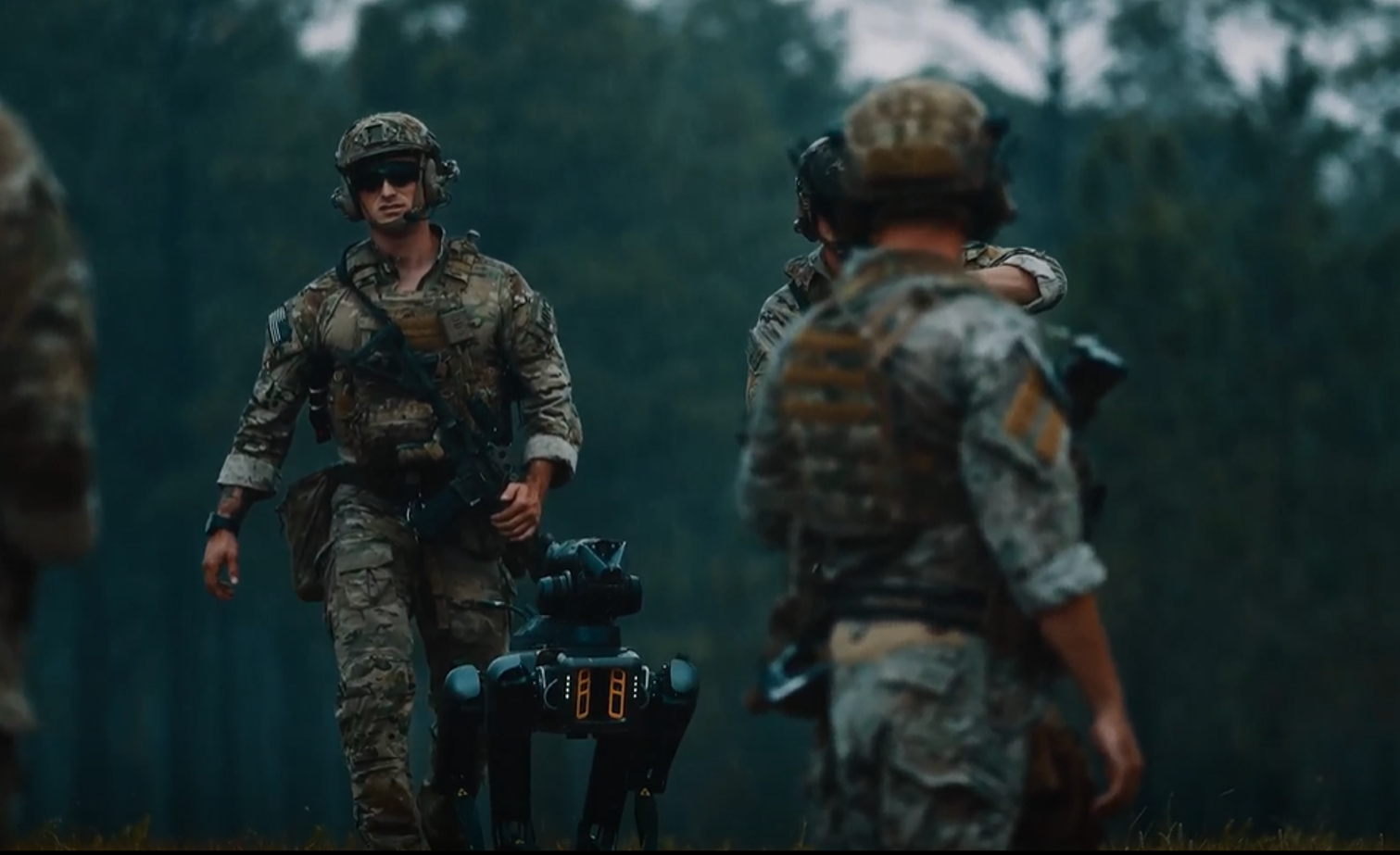
This is the fourth year that ETI has hosted the event, and in years past Freeman has seen a host of innovative technology, including various drone types and programming, robotic dogs, 3D printed houses, and airspace scanners. Photo provided by USSOCO

Crystal McLean (left) with Scott Embry (right). Money Box Academy received a $10,000 grant from United Way of Cumberland County’s Youth Growth Stock Trust. Photos provided by Crystal McLean.The Youth Growth Stock Trust Committee, administered by the