In honor of National Stroke Awareness Month, Cape Fear Valley Health is educating the community on what to do if someone exhibits signs of a stroke. Stroke awareness is crucial because recognizing the signs and acting quickly can mean the difference between life and death.
To remember signs to look out for, use the acronym B.E. F.A.S.T.
B – Balance
E – Eyes
F – Face
A – Arm
S – Speech
T – Time
Acting quickly is imperative when a person suffers a stroke. About two million neurons die every minute during a stroke, which means each minute a person’s brain ages roughly three weeks. If taken to the hospital within about four and a half hours, patients may receive clot‑busting medication, and if a patient is seen within 24 hours, some can get a catheter‑based procedure to remove the clot.
Most commonly, strokes result from a blood clot in the brain. However, there’s also what is called a hemorrhagic stroke, or bleeding inside or around the brain. A CT scan is required to distinguish between the two types of strokes to determine the best course of treatment.
Stroke recovery ranges from relatively quick discharge home after timely treatment to significant long‑term disability, and the difference often comes down to stroke type, where it occurs in the brain, and how fast patients receive specialized care.
Strokes are not restricted to elderly people. Some people suffer a stroke as young as their 40s. Common risk factors that may make a person more susceptible to suffering a stroke include high blood pressure, diabetes, high cholesterol, obesity and obstructive sleep apnea. To help prevent a stroke, keep up with regular visits to your primary care doctor, monitor your blood pressure, lead an active lifestyle, and know the signs so you can act quickly if it happens to you or a loved one.
Cape Fear Valley Health has expanded its staff, invested in state‑of‑the‑art imaging technology, successfully performed its first aneurysm procedure, and is preparing to launch a full thrombectomy program so that more stroke patients can receive advanced, time‑sensitive treatment close to home.



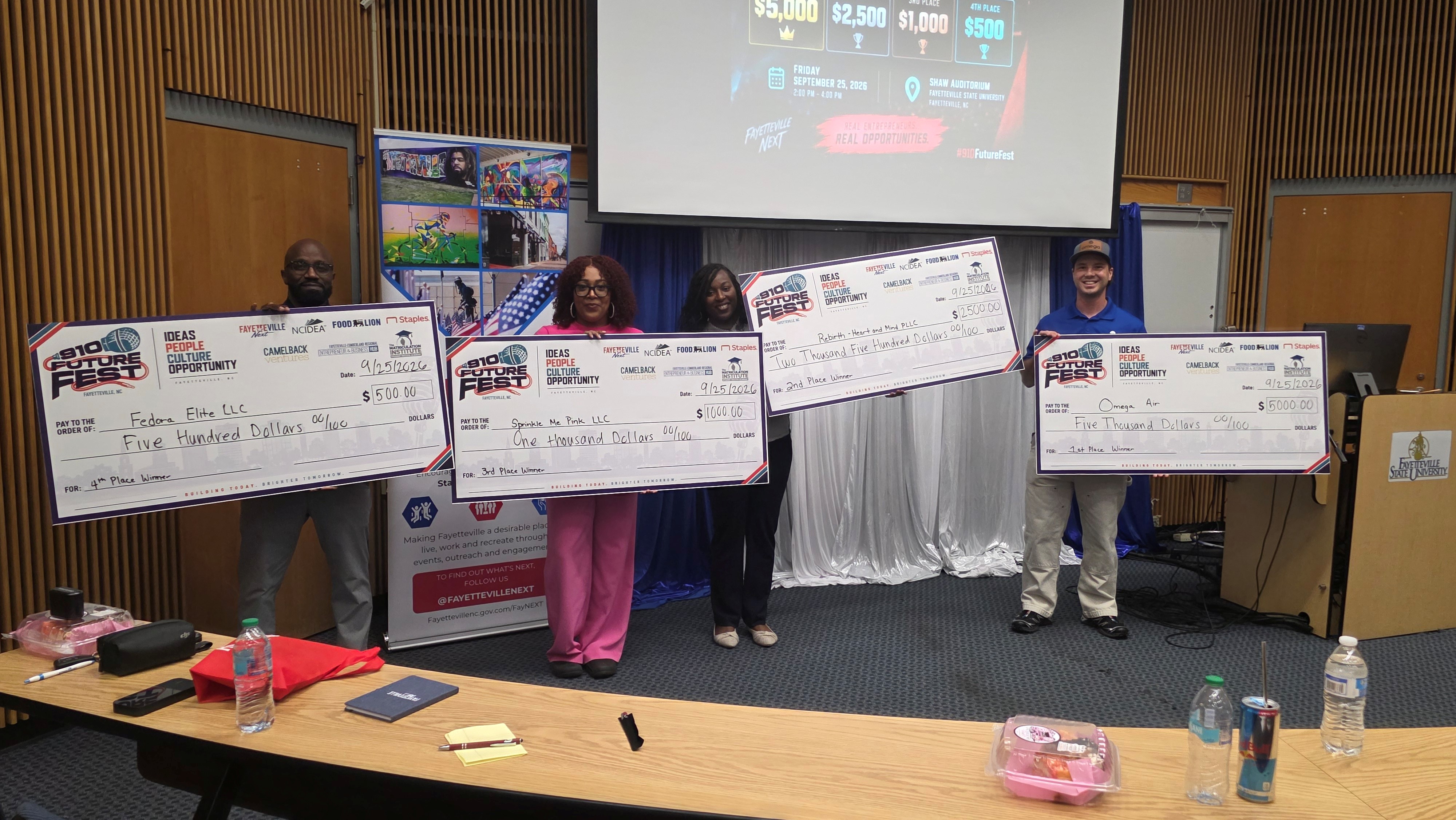
Winners of the inaugural pitch competition were Omega Air, Rebirth-Heart and Mind PLLC, Sprinkle Me Pink, LLC and Fedora Elite Mobile Cigar Experience. Following an event-packed weekend, four Fayetteville-based entrepreneurs were given a leg up