A growing movement in economics education is reshaping how students engage with complex social issues and develop critical thinking skills. Spearheaded by a collaborative team of professors from Fayetteville State University, Tulane University, St. Cloud State University, Davidson College, Tufts University and Vanderbilt University, this effort aims to transform traditional economics curricula by integrating real-world research and encouraging robust academic discourse in the classroom.
To facilitate greater student to student connection, the professors turned to the jigsaw literature review. The jigsaw literature review, or the jigsaw method, involves a small-group discussion exercise that allows students to learn the main ideas of multiple journal articles that address the same economics topic while only being required to read one article.
The activity serves two general purposes:
Faculty assign students recent, high-level academic journal articles on pressing topics such as immigration, the opioid crisis and healthcare policy. Each student or group becomes an expert on a single article, delving deeply into its analysis and implications. This expertise is then shared in structured roundtable discussions, where students present their findings, compare results and examine methodological differences among the chosen papers.
This format, utilizing the jigsaw method, not only exposes students to authoritative research early in their academic journey, but also fosters critical thinking, scientific reasoning and essential communication skills. Feedback from participants has been overwhelmingly positive, highlighting increased engagement, greater confidence with academic literature and a more nuanced understanding of contentious policy debates.
While the current iteration centers on economics courses, the project's architects envision its eventual expansion across disciplines and institutions. Thus far, the model has been adopted at multiple university settings, allowing for ongoing refinement and adaptation based on student and faculty input. Since its inception in 2021, the collaboration has grown in both scope and ambition, with ongoing reviews to measure its impact on learning outcomes.
Another up and coming initiative being pioneered at FSU is a comprehensive dashboard of local economic indicators. This resource will aggregate and visualize data ranging from employment and inflation figures to healthcare coverage rates, making critical insights accessible to decision-makers and the broader public. The dashboard is slated for further development and release in the coming months.
Further efforts are being made to form a bridge between the university and the community as well. The Economics and Finance Club (ECF) plans to organize a series of workshops on financial planning and to launch workshops where student members will act as financial planning ambassadors, providing peer-led education and practical experience in economic and financial decision-making. Currently, some ECF student members are competing in the 2025 Global Trading Challenge, sponsored by Bloomberg for Education (from October 13 to November 14, 2025), and have held top-20 and top-200 positions in the initial weeks. This is a challenge where students around the world get to experience firsthand what real-world investing looks and feels like. Winners will be announced on November 21, 2025, and we are rooting for our FSU students!
By integrating advanced research activities into undergraduate education, collaborating across institutions and connecting classroom learning with community needs, the Broadwell College of Business and Economics continues to raise the bar for economics education and workforce development.



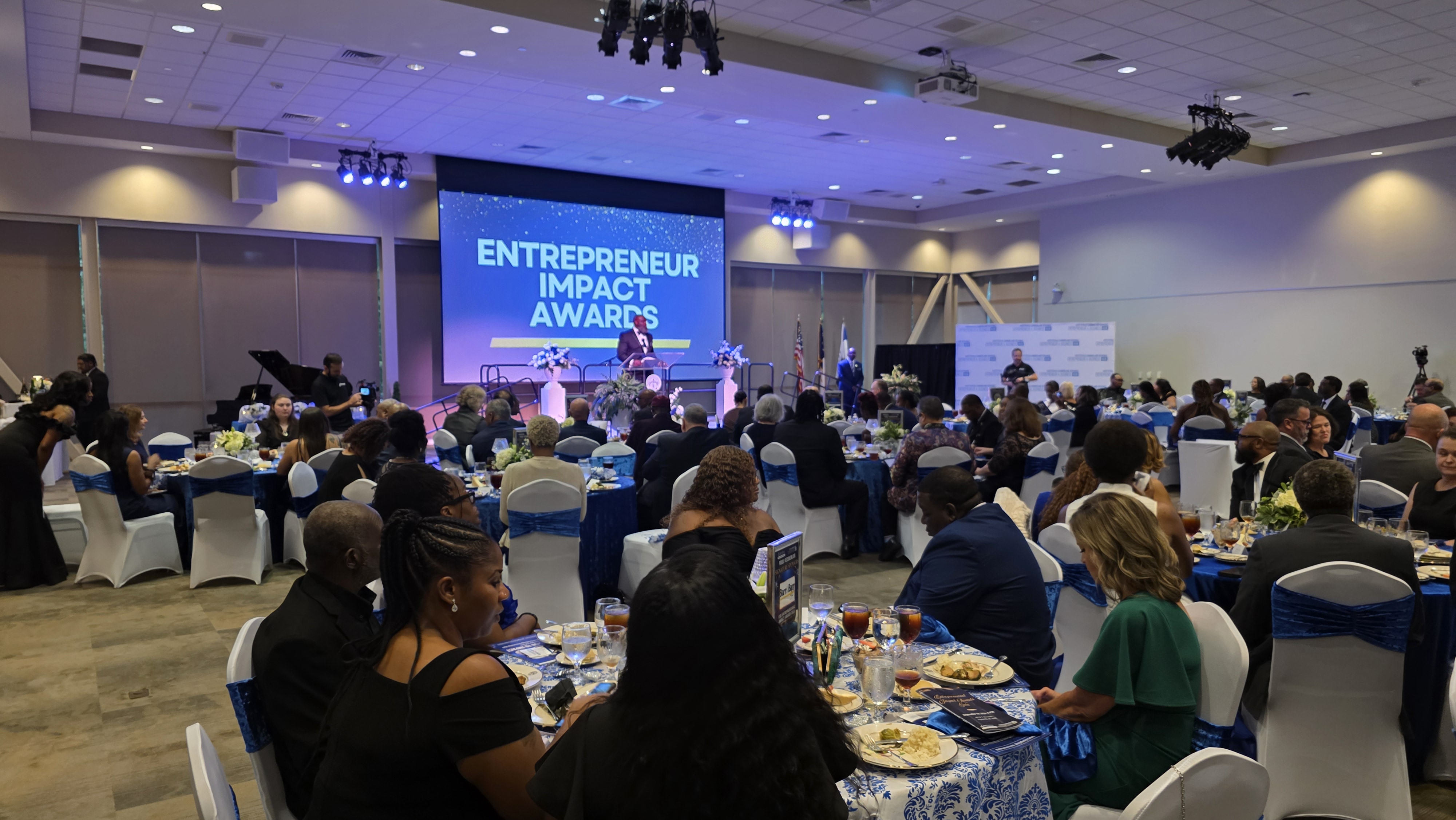


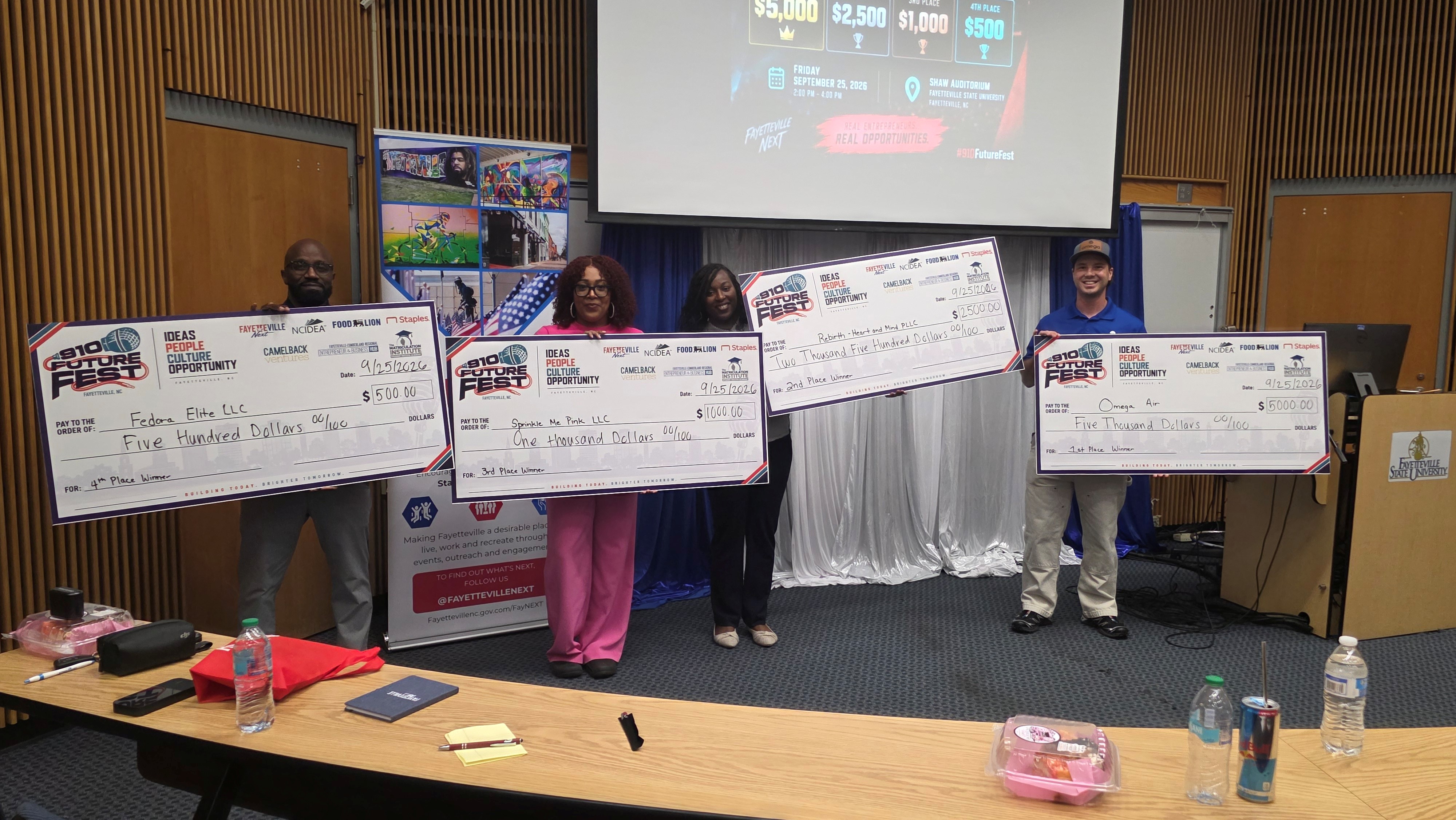
Winners of the inaugural pitch competition were Omega Air, Rebirth-Heart and Mind PLLC, Sprinkle Me Pink, LLC and Fedora Elite Mobile Cigar Experience. Following an event-packed weekend, four Fayetteville-based entrepreneurs were given a leg up