
North Carolina continues to emerge as a critical hub for defense innovation and sustainment, creating new opportunities for businesses across the state - particularly in regions like Fayetteville, home to Fort Bragg and a growing defense-focused economy.
That momentum was on full display at the Defense Industrial Sustainment for Combat Systems (DISC) Summit, held March 18–19, 2026, at the University of North Carolina’s Friday Center in Chapel Hill. Hosted by U.S. Senators Thom Tillis and Ted Budd, and the North Carolina Military Business Center (NCMBC), the event brought together more than 275 military leaders, federal agencies, prime contractors, academic institutions, and small businesses. An international delegation from Finland also participated, underscoring the global importance of defense supply chain collaboration.
Expanding Opportunities for Business
A central theme throughout the summit was clear: the Department of Defense increasingly relies on private industry - especially small and mid-sized businesses - to sustain and modernize military capabilities.
Sessions such as The Partner’s Playbook outlined practical entry points for companies seeking to enter or expand within the defense market. Representatives from the Office of the Secretary of Defense and Army acquisition programs highlighted funding pathways, including the Manufacturing Technology Program and APFIT (Accelerate the Procurement and Fielding of Innovative Technologies).
For businesses in North Carolina, particularly those near Fort Bragg, the message was direct—aligning capabilities with defense priorities and understanding acquisition pathways can unlock significant growth opportunities.
Key Growth Areas Across Defense Sectors
The summit identified several high-demand areas where businesses can play a role:
Innovation and Workforce Development
North Carolina’s universities and research institutions are playing a growing role in transitioning cutting-edge research into deployable defense capabilities. Leaders from the Army Research Office and the National Defense & Intelligence Innovation Institute (NDI3) highlighted how collaboration between academia and industry is accelerating innovation.
At the same time, workforce development remains a critical focus. Programs such as Apprenticeship NC are helping build talent pipelines in advanced manufacturing, logistics, and skilled trades - areas essential to supporting defense sustainment efforts.
Lessons from the Battlefield
The DISC opened with a “Drone Dominance” workshop at Wake Technical Community College, where military and international partners shared insights from current conflicts, including Ukraine. These discussions highlighted how rapidly evolving technologies are reshaping sustainment requirements, particularly in areas such as scalable manufacturing, rapid repair cycles, and resilient supply chains.
A Strategic Advantage for North Carolina
Speakers throughout the event—including senior Army leadership—reinforced a consistent message: industrial capacity, speed of innovation, and strong public-private collaboration are essential to maintaining national security.
North Carolina is well-positioned to meet that demand. With its concentration of military installations, research institutions and growing industrial base, the state is not only supporting the defense industrial base - it is helping lead it.
For businesses in the Fayetteville region and beyond, the takeaway is clear: opportunities to engage in defense sustainment are expanding, and now is the time to get involved.
To learn more about how to connect with defense opportunities, visit the North Carolina Military Business Center at https://www.ncmbc.us/.





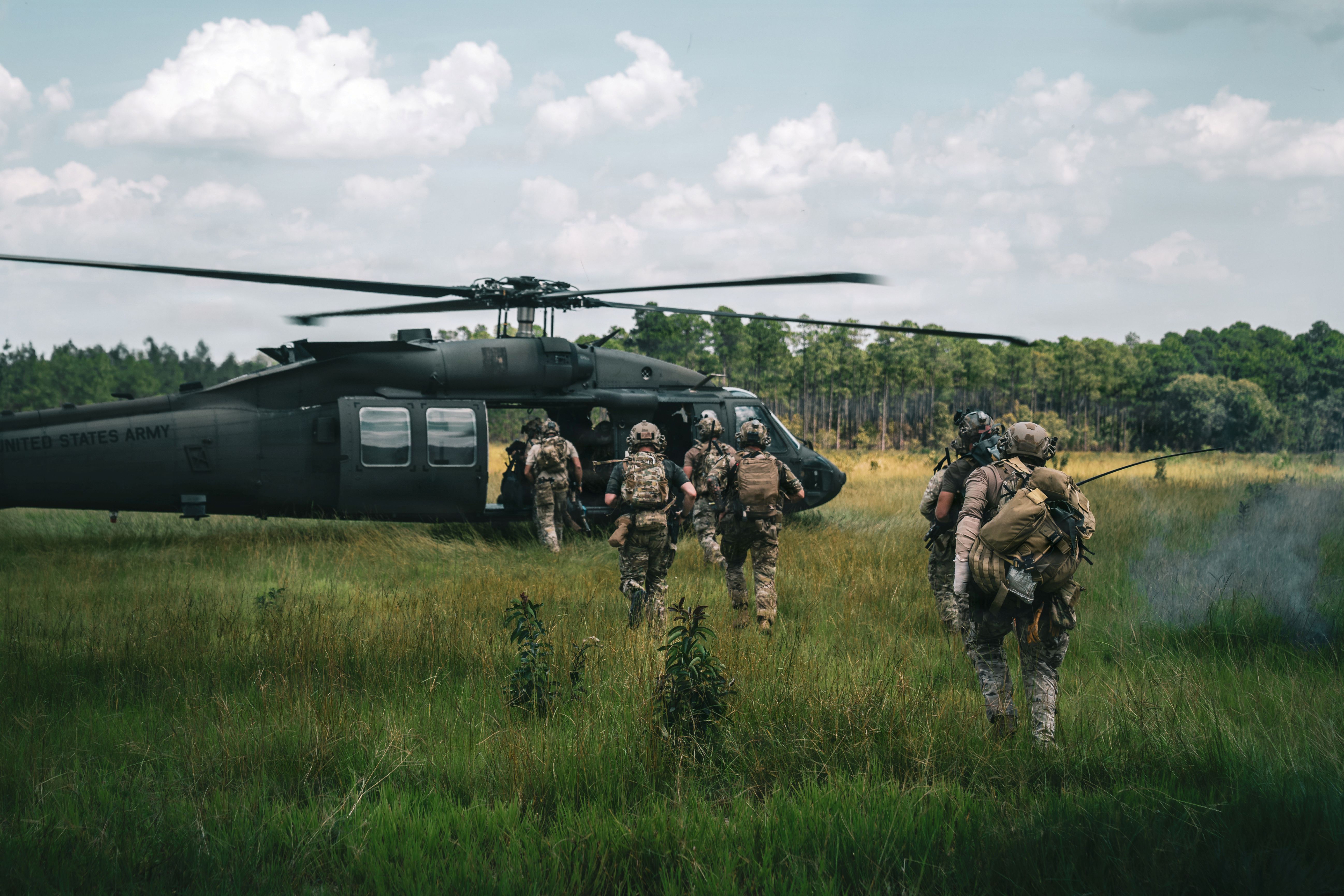
The US Army Special Forces (SF), known as Green Berets because they are awarded a green beret to wear following the rigorous selection and training process, are specialized military units trained to conduct special operations. Photo provided by the G
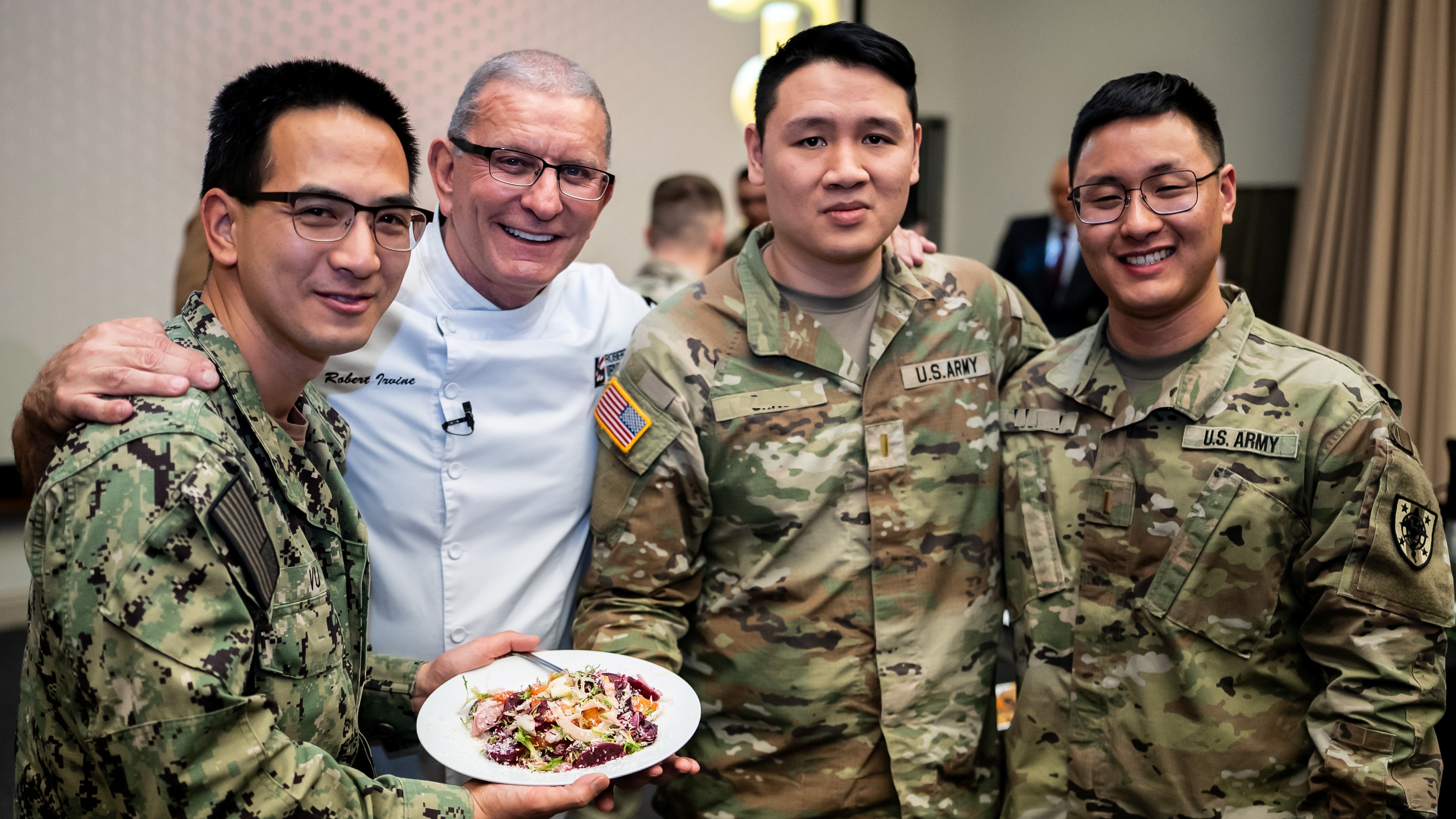
Fuel to Serve will go “beyond the dining hall,” using food and shared meals as trusted entry points to link families with a broader network of resources. Photo courtesy of USAA.USAA and the Robert Irvine Foundation recently announced Fuel to Serve. T

Yes, those are decorations currently in my home. Yes, I may have spent more money than average for two oversized mums that are taking up way too much space on my porch, and yes, I may have stood my ground in a Lowe’s hardware store arguing with my hu