
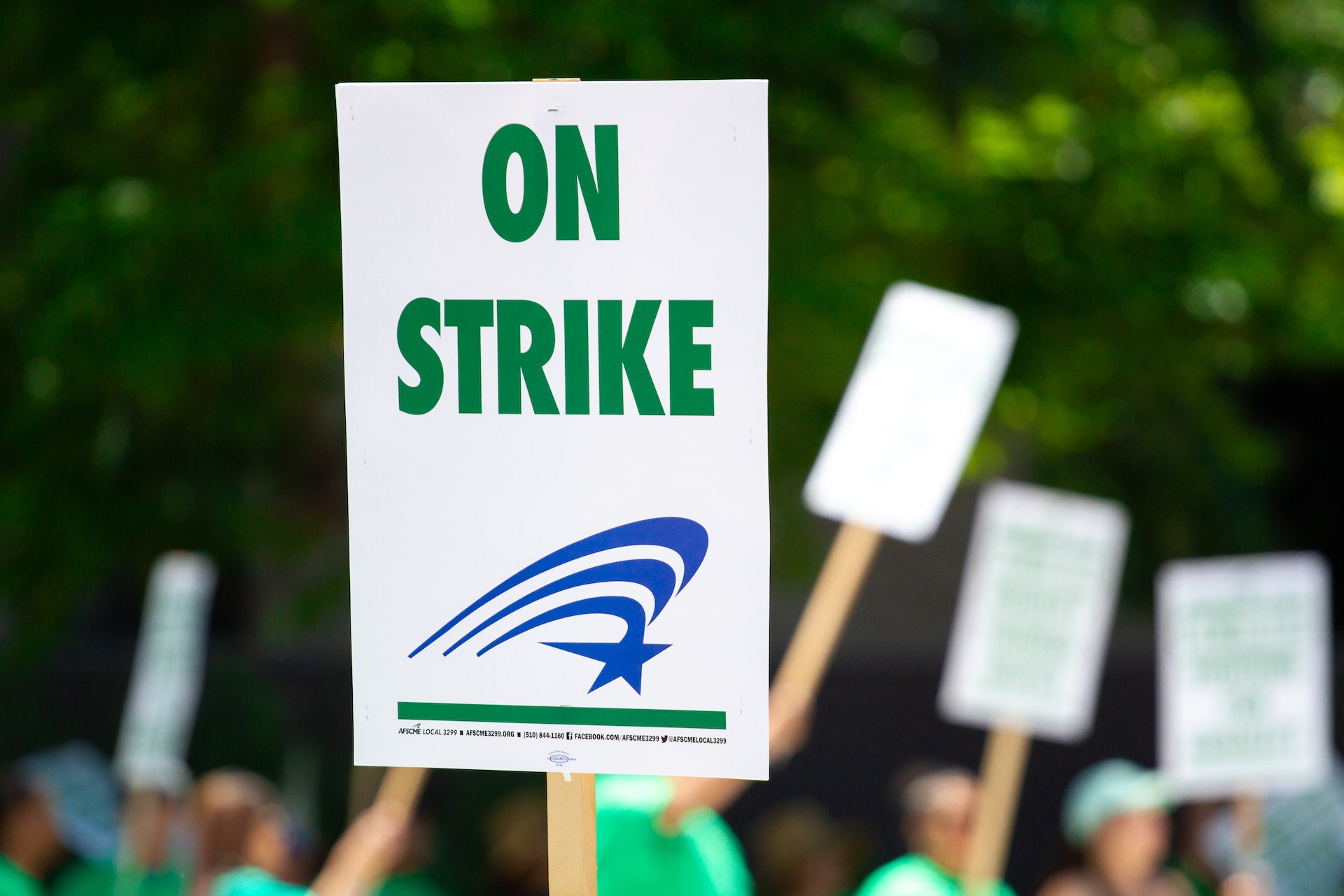
The Writers Guild of America (WGA) has just secured massive wins against corporate threats to their livelihoods following a strike that lasted for 148 days, the second longest strike in Hollywood history.
As Artificial Intelligence continues to develop and expand into, honestly, unnatural levels of intelligence and realism, we as a society are starting to figure out just where it belongs as both a tool and a potential threat.
With the rise of things like ChatGPT being used to write everything from commercials to voicemail messages and AI image engines like GetIMG and DALL-E 2 being used to generate virtual works of art, traditional artisans are seeing a potential phase out of human made pieces of art and media, something that the WGA was actively fighting against.
According to the Los Angeles Times, a tentative agreement was reached on Tuesday, Sept. 25 between the WGA and major network studios. According to the seven-page summary document issued by the WGA, those demands were being made to “address critical issues across our membership, brought on by changes in the business that were driving down writer pay and undermining working conditions.”
I expect the effects of AI on other industries will be under the magnifying glass very soon.
Back in June, my Publisher Marty Cayton and I attended a conference with the Alliance of Area Business Publishers. During the conference, the topic of AI and its implications on the publishing industry were discussed a number of times.
I have experimented with AI before and I am happy to say that while formulaic writing for things like commercials and social media posts can be handled very well by AI, things like feature length profiles, articles and human interest stories can not be so easily replicated, at least not without a lot of training and continued AI exposure and familiarization with an author’s writing style.
But don’t worry dear reader, this issue focusing on Robeson County is 100 percent human created! We will never use a generator to write the content you read and we will continue to work with the community to keep it that way. Please enjoy these stories focusing on companies throughout Robeson County and the great developments they are bringing to the area!
Have a blessed day!




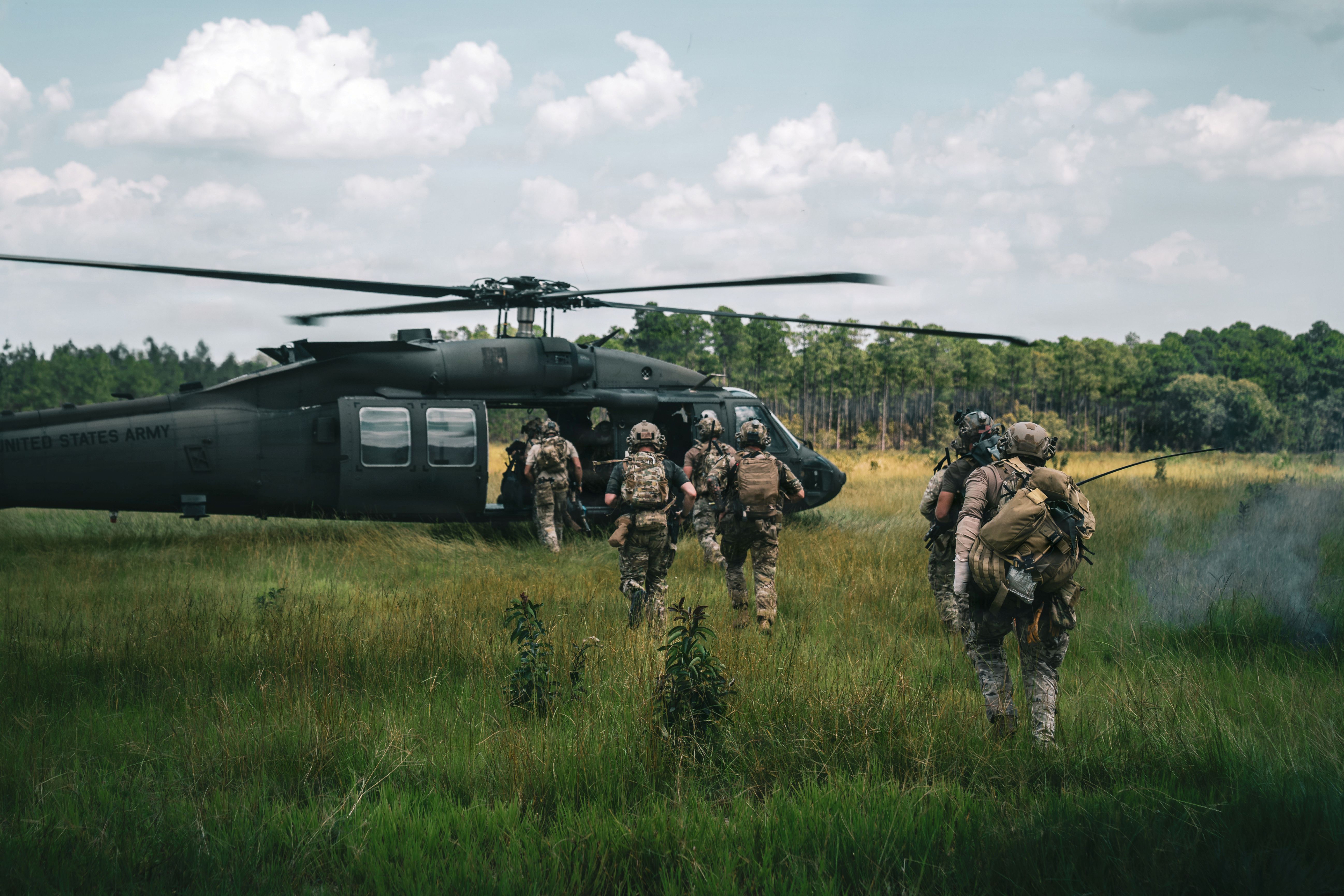
The US Army Special Forces (SF), known as Green Berets because they are awarded a green beret to wear following the rigorous selection and training process, are specialized military units trained to conduct special operations. Photo provided by the G
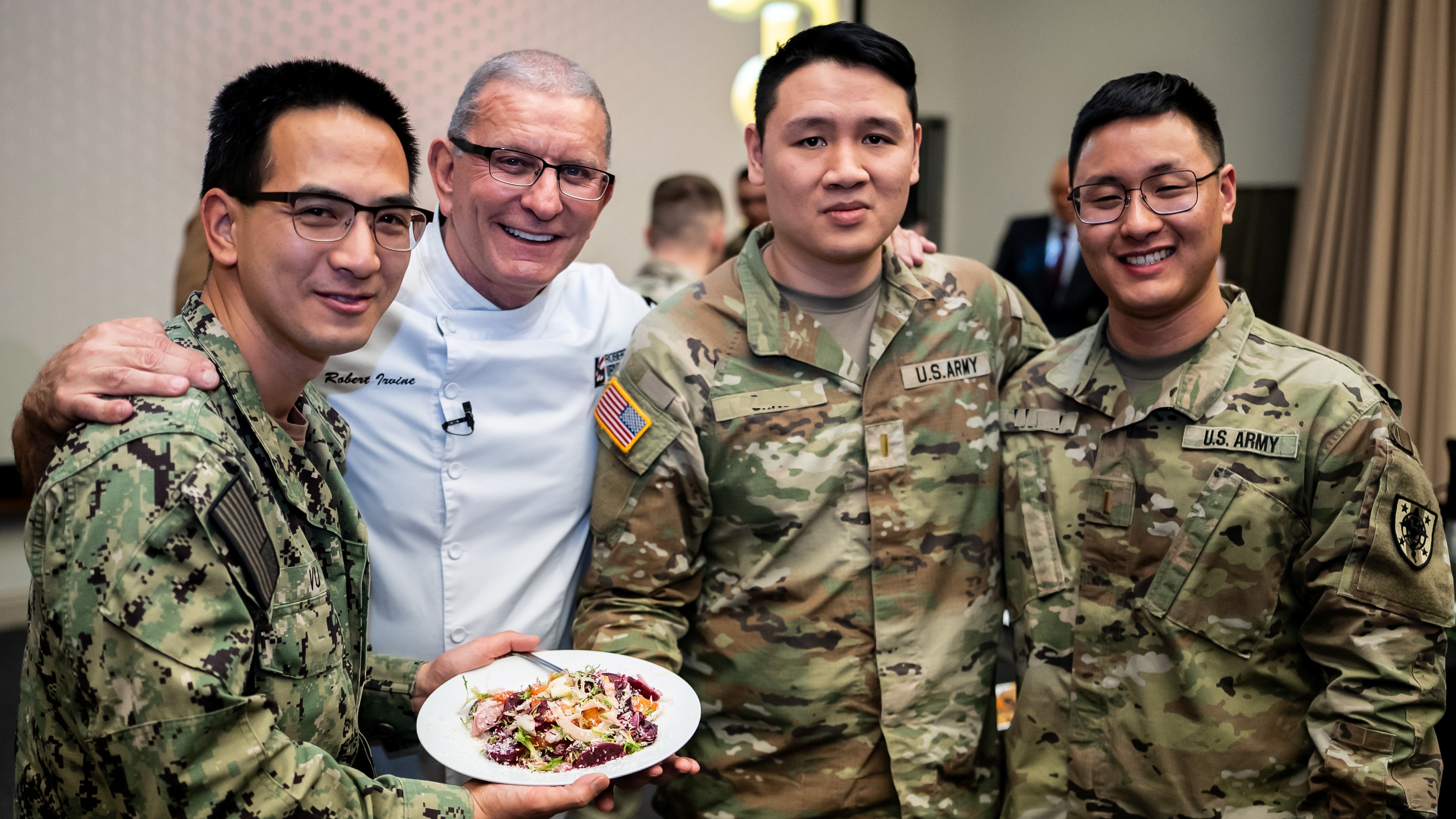
Fuel to Serve will go “beyond the dining hall,” using food and shared meals as trusted entry points to link families with a broader network of resources. Photo courtesy of USAA.USAA and the Robert Irvine Foundation recently announced Fuel to Serve. T
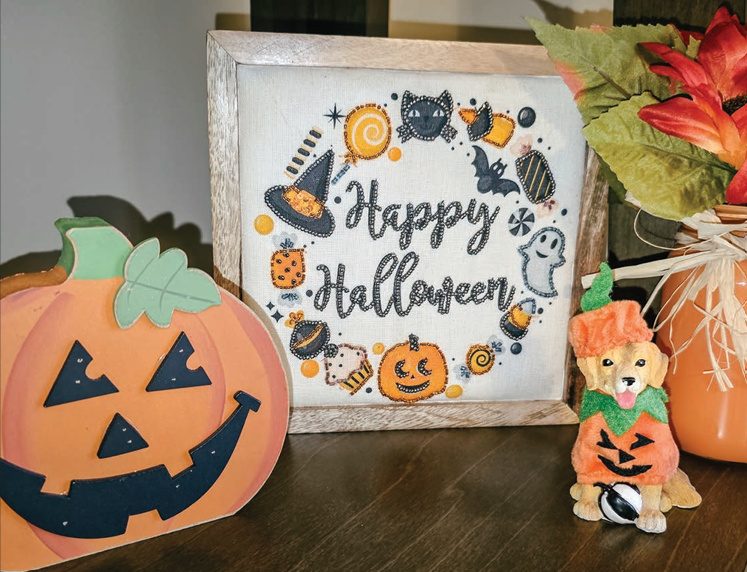
Yes, those are decorations currently in my home. Yes, I may have spent more money than average for two oversized mums that are taking up way too much space on my porch, and yes, I may have stood my ground in a Lowe’s hardware store arguing with my hu