


Fayetteville State University joined two North Carolina HBCU’s in the $1.5 million NASA-funded DEAP Institute: Harnessing Data for Flood Monitoring and Management project applying geospatial science and technology to help mitigate flood impact in the state.
Through NASA’s Minority University Research & Education Project, North Carolina A&T State University is conducting a project with Elizabeth City State University and FSU to analyze open-source remote sensing and geospatial data to better prepare North Carolina citizens for flood events. The project began in May 2023 and is scheduled to finish in April 2026.
Leading the FSU research team, Trung Tran, Ph.D, associate professor of geospatial science, is working with Chekad Sarami, Ph.D., professor of computer science, and students to leverage data science in the NASA’s Earth Science program using their remote sensing.
FSU will also establish the Geospatial Analytics & Observing Earth for Sustainability or GLOBES research laboratory and Geospatial Science concentration of Geospatial Data Science in Natural Hazard Monitoring and Management with scholarships for students to help foster geospatial education and research of natural hazards in the region.





Join us Sept. 29 for our third Power Breakfast of 2026 as business leaders share how they leverage decades of institutional wisdom. The Greater Fayetteville Business Journal invites you to join us for our third quarterly Power Breakfast, The Fam
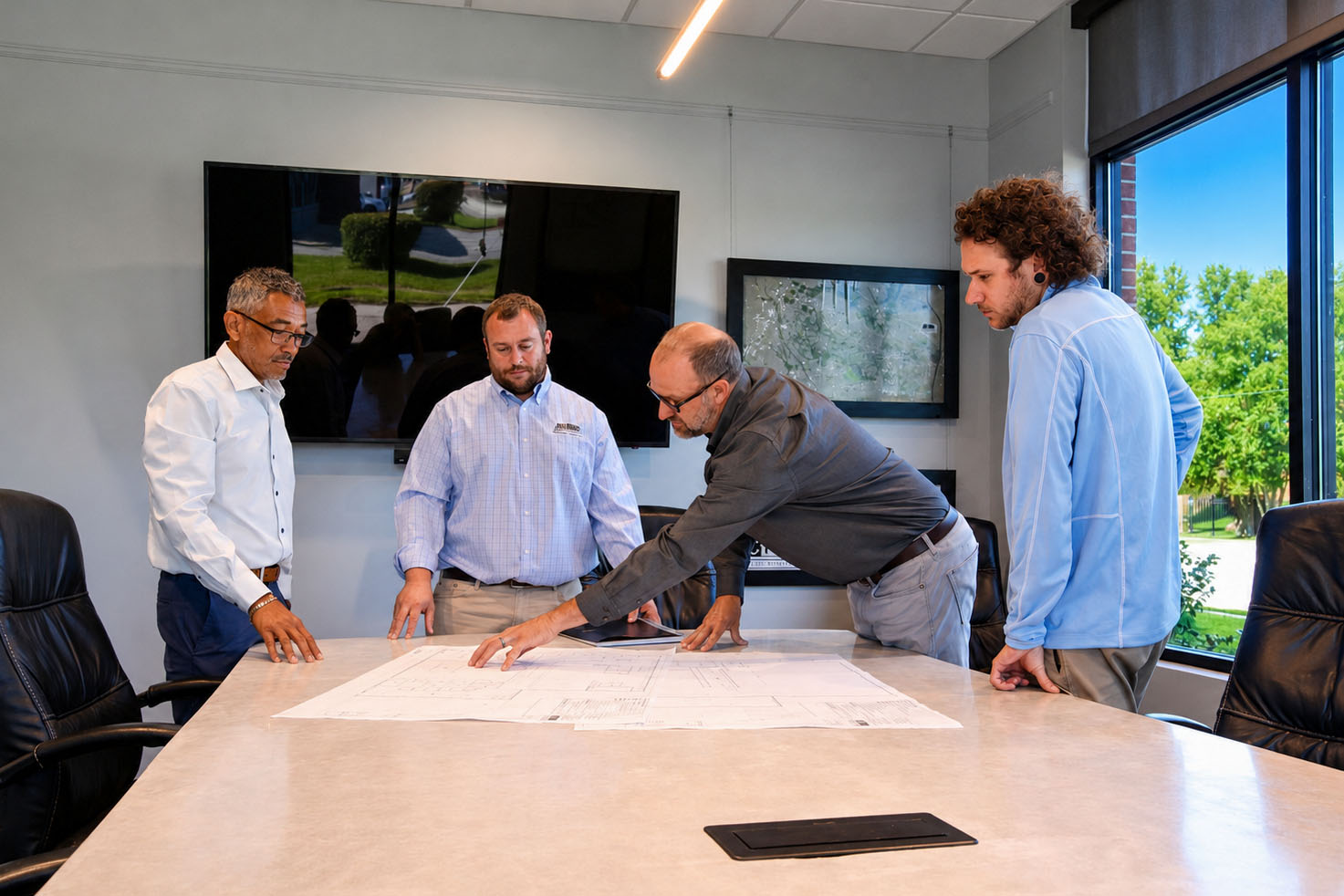
Skyeton leadership have decided to look locally for a general contractor to head up major renovations for the 28,479-square-foot building they’ve selected as their new home. Fayetteville-based Critical Path Solutions LLC has been chosen as the primary contractor for bringing new life to the previous Black+Decker plant site.
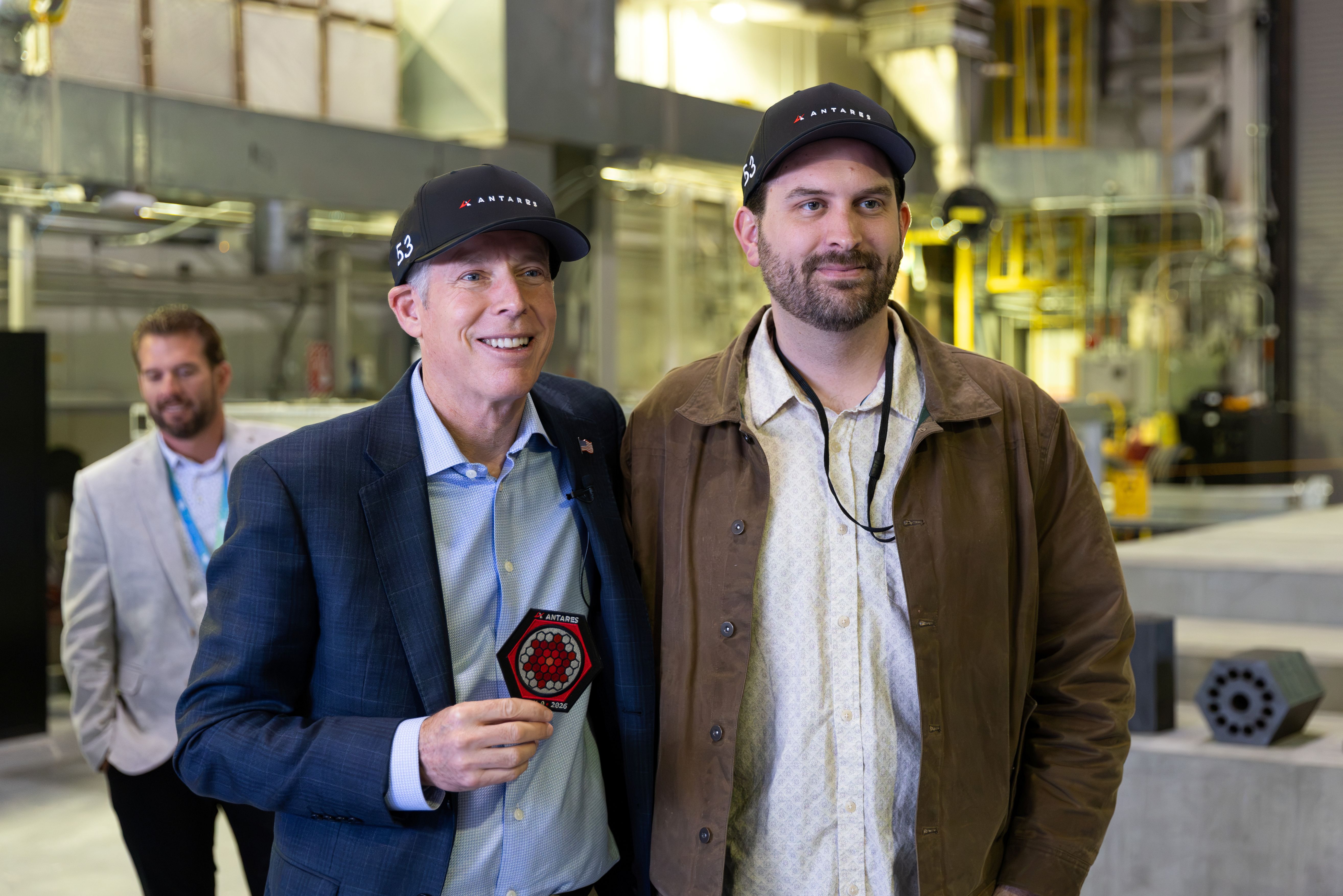
From left to right: US Secretary of Energy Chris Wright with Antares Co-founder and CEO Jordan Bramble. Photos courtesy of Antares Nuclear, Inc. Antares Nuclear, Inc. recently announced that it has been awarded an Other Transactions Authority ag