The City of Fayetteville and the Fayetteville Metropolitan Housing Authority (FMHA) are proud to announce that the U.S. Department of Housing and Urban Development (HUD) awarded the City and FMHA $25,115,578 through the FY2025 Choice Neighborhoods Implementation (CNI) Grant program to transform the Murchison Townhouses public housing community into the new mixed-income Murchison Choice Neighborhood.
The award will fund the next phase of the Murchison Choice Transformation Plan, a comprehensive strategy shaped with residents and partners to carry forward the community’s vision for revitalization of one of Fayetteville's most historic neighborhoods through new housing, infrastructure and community investment.
The City and FMHA's application sought $26 million in CNI funding to leverage more than $531 million in public and private investment to implement the resident-informed Murchison Choice Transformation Plan. The project will replace all 60 units at the 56-year-old Murchison Townhouses public housing site one-for-one while creating 323 new mixed-income apartments across the Murchison Townhouses and Elliott Properties sites, along with expanded supportive services for residents and physical improvements throughout the surrounding neighborhood.
The Murchison Choice Plan brings together top local and national experts in neighborhood transformation. The project will be led by the City’s Economic and Community Development Department with the co-leadership of FMHA and continued resident engagement. Pennrose, a nationally recognized developer, will serve as the Housing lead while Urban Strategies will be the People lead. This holistic approach ensures the program's impact goes beyond property development by supporting the community’s vision across housing, people and neighborhood investments. Additional partners supporting Choice include Fayetteville State University and Cumberland County Schools, among others.
The Choice Neighborhoods program, funded through annual congressional appropriations, directs HUD to award competitive grants to support the transformation, rehabilitation and replacement of severely distressed public and HUD-assisted housing, with the goal of converting neighborhoods of concentrated poverty into sustainable, mixed-income communities with access to quality schools, services, public assets, transportation and jobs.
The award is a historic first for the region. While Durham and Winston-Salem have previously received Choice Neighborhoods awards, no community in eastern North Carolina had received one until now. Fayetteville’s grant follows sustained advocacy by the City’s Congressional delegation and was championed by U.S. Rep. David Rouzer (NC-07), whose district includes part of Cumberland County and the southeastern North Carolina region. Rep. Rouzer was joined by Rep. Richard Hudson (NC-09), Senator Thom Tillis and Senator Tedd Budd supporting the transformative investment in Fayetteville.
Rep. Rouzer formally urged HUD to approve the application in an April 2026 letter to HUD Secretary Scott Turner, writing that “Fayetteville’s proposal is both competitive and urgently needed, and it would bring transformative federal investment to a critical region previously overlooked in this program.”
City officials also met with HUD leadership in Washington, D.C. in March, where they confirmed that the project aligns with several of HUD’s housing production objectives, including regulatory relief to promote more housing and support for economic and community development goals.
“This Choice award will be a game-changer for the Murchison Road corridor and the families who call it home. For years, our residents have shared their vision for a stronger, safer, more connected neighborhood — today, that vision starts becoming reality,” said Fayetteville Mayor Mitch Colvin in a press release. I want to thank Congressman Rouzer, our Murchison Choice team and every resident who showed up to shape this plan, understanding that this work is about more than what we see today — it’s about what we’re building for the next generation. Fayetteville is ready to get to work.”
The $25.1 million federal investment will leverage more than $531 million in committed public and private resources, building on more than $20 million the City has already invested in infrastructure upgrades, housing development, placemaking and workforce programming in the Murchison neighborhood. The plan will transform the area into a more walkable, connected community through coordinated housing, workforce development and neighborhood revitalization.
Housing: The plan includes 323 mixed-income rental units with in-unit washers and dryers, pantries, gardens, a park, a picnic area, a fitness center, art murals and improved lighting — representing the bulk of federal funding and translating to $95.7 million in new housing development. All 60 public housing units will be replaced 1:1, with deeply affordable replacement apartments within the new mixed-income communities. Eligible residents will have the right to return.
People: Family supportive services will respond to resident needs and connect residents with educational opportunities, workforce development, job skills training, economic self-sufficiency programs for seniors, and continued community engagement.
Neighborhood: The plan also calls for 35 new for-sale homes, exterior improvements to approximately 35 existing homes, improvements to the façades of 30 commercial buildings, new trail connections, gateways, signage and placemaking investments.
Choice Neighborhoods is a HUD initiative that supports locally driven strategies to revitalize distressed neighborhoods and public or HUD-assisted housing through a comprehensive approach to neighborhood transformation. The City of Fayetteville partnered with the Fayetteville Metropolitan Housing Authority, residents and community stakeholders to develop the Murchison Transformation Plan.





Hello, loyal readers. I am writing to you as someone older and therefore wiser (okay, I’m actually writing this the day before my birthday, but you will receive your copy after I’ve already celebrated). I was reminded of how truly blessed I am t
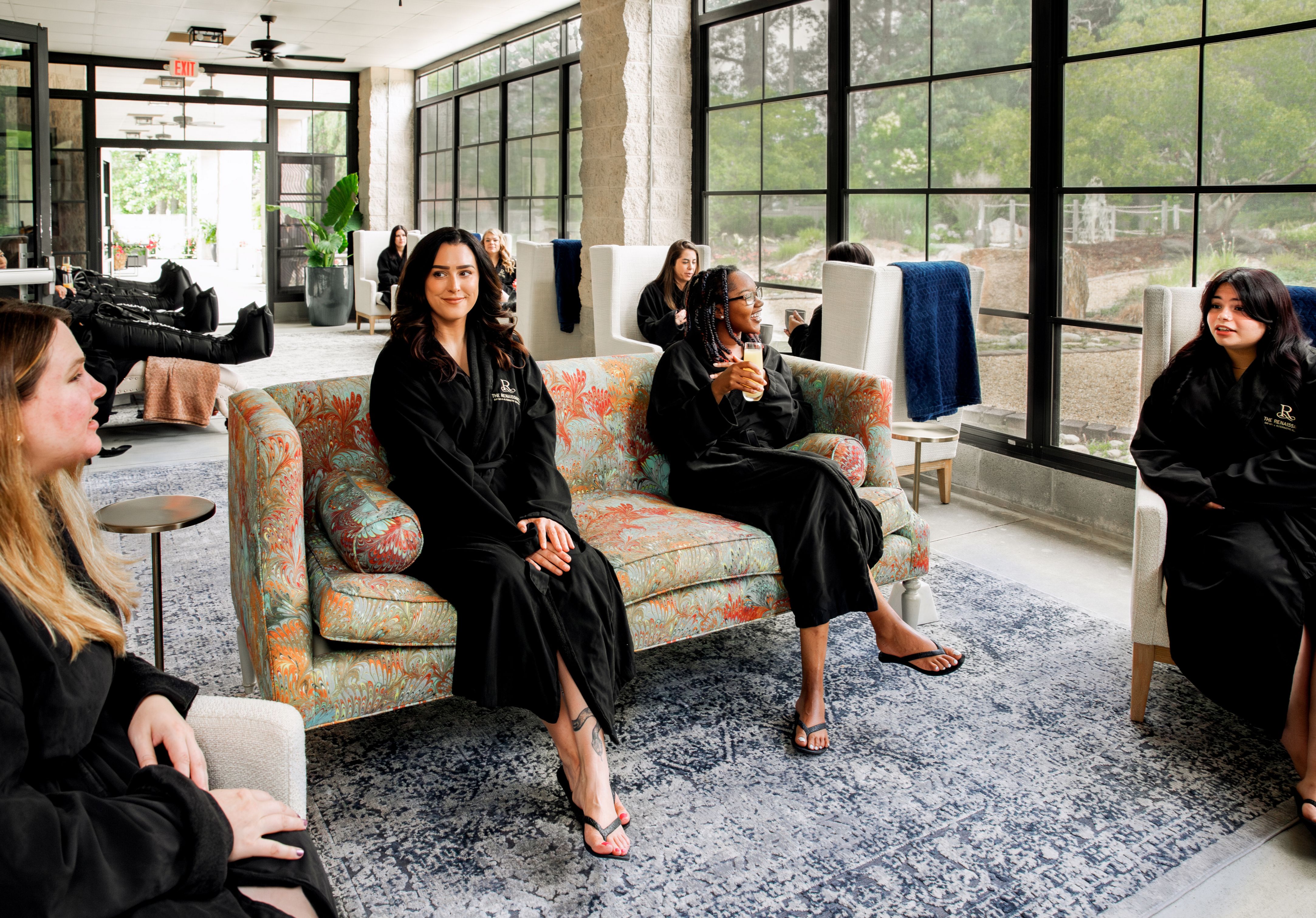
Renaissance offers a broad range of massage services, from standard Swedish and deep tissue massages to signature massages that offer clients aromatherapy, a farmhouse-sourced “honey heel glaze” foot treatment and hot stone therapy. Photo by Style To
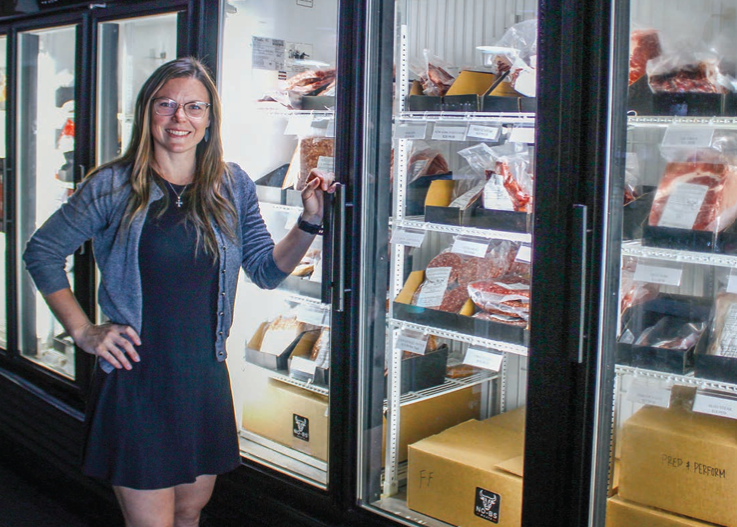
Nikole (pictured) and Lakota Shawn began selling their meat at farmers markets and in an online store in 2024. Now, they’ve opened their first brick-and-mortar location. Photo by GFBJ.The Shawn family believes in quality, locally sourced food, and th