
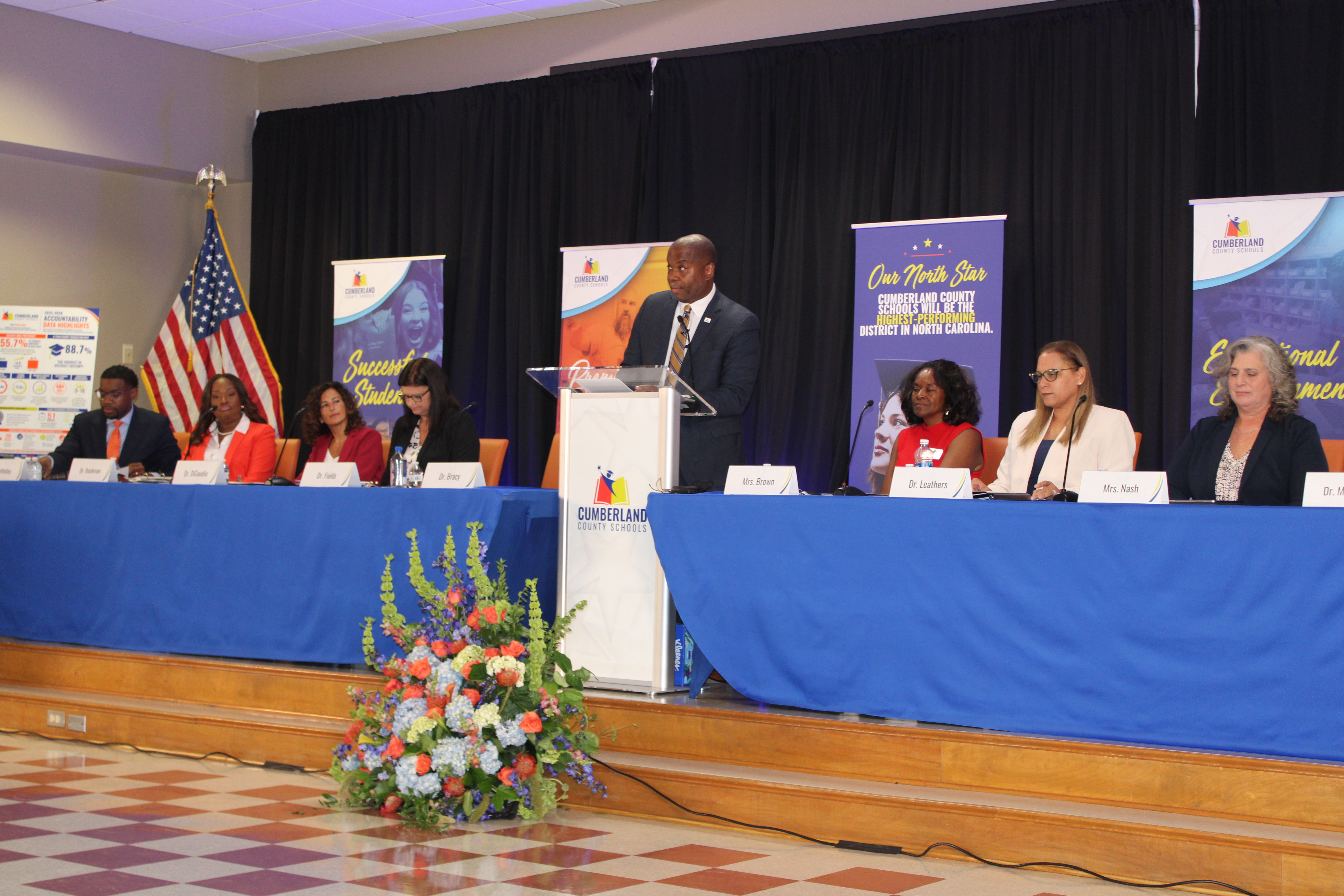
According to accountability data released by the North Carolina Department of Public Instruction on Sept. 2, Cumberland County Schools (CCS) students and schools made broad, measurable academic progress in 2025-26, including a record-high four-year cohort graduation rate of 88.7%.
Together, higher proficiency, strong student growth, improved school performance measures and fewer schools identified as low-performing demonstrate meaningful forward movement across CCS as the district continues working toward its North Star: becoming the highest-performing district in North Carolina.
Districtwide proficiency rose from 50.8% to 55.7%. A total of 85.4% of CCS schools increased composite proficiency, and proficiency increased across every End-of-Grade (EOG) and End-of-Course (EOC) subject area.
“Every result represents a young person whose goals, potential and future matter,” said Dr. Eric C. Bracy, superintendent of Cumberland County Schools, in a press release. “This is progress worth celebrating and a responsibility worth sustaining. These gains reflect the collective work of our students, educators, principals, staff, families and community partners.”
Thirty-eight schools increased composite proficiency by at least five percentage points. That total includes nine schools with gains of 10 percentage points or more and 29 additional schools with gains between five and 10 percentage points.
The following schools are representative examples of progress across CCS, not the only schools making gains:
Bill Hefner Elementary School increased its composite proficiency by 12.8 percentage points, earned an exceeded-growth rating with a converted growth score of 90.1 and improved its School Performance Letter Grade from a D to a C.
Douglas Byrd Middle School increased its composite proficiency from 31.8% to 45.2%, a gain of 13.4 percentage points. The school earned an exceeded-growth rating with a converted growth score of 92.4 and improved its School Performance Letter Grade from an F to a C.
A total of 72.0% of CCS schools met or exceeded growth. Achievement shows whether students met grade-level standards, while growth reflects how much academic progress students made throughout the year when considering where they started, as well as how other students progress across the state. Receiving an exceeded-growth rating provides substantial evidence that student progress surpassed one academic year. Two schools offer strong examples of this progress in action:
Pine Forest High School increased its composite proficiency from 62.0% to 72.3%, a gain of 10.3 percentage points. The school earned the maximum converted growth score of 100 and ranked No. 2 in North Carolina for growth.
Cumberland Polytechnic High School reached 99.3% proficiency, an increase of 5.6 percentage points, and raised its numerical School Performance Grade score from 94 to 99 while maintaining an A. The school earned the maximum converted growth score of 100 and ranked No. 9 in North Carolina for growth.
A converted growth score of 100 is the highest possible converted score for student academic progress compared with predicted expectations.
CCS’ record-high four-year cohort graduation rate of 88.7% is within one-tenth of a percentage point of North Carolina’s rate of 88.8%. For comparison, the state reported a proficiency rate of 59.2%, placing CCS’ rate of 55.7% within 3.5 percentage points of the statewide rate.
Across CCS, 51 schools increased their numerical School Performance Grade score, and 11 improved their letter grade.
The number of CCS schools designated as low-performing by the state declined from 27 to 20, with 11 schools removed from the prior-year list. Five schools from that prior-year group exceeded growth expectations.
Progress is also visible among the 20 schools currently identified as low-performing. Twelve met growth standards, 15 increased achievement and six improved their numerical School Performance Grade score. These are separate measures that provide different views of school progress and should not be added together.
CCS’ goal is for every school to move off the low-performing list. The district will continue working alongside school leaders to strengthen instruction, accelerate student growth and address each school’s specific needs.
The results provide an important baseline as CCS begins implementing its recently adopted 2026-2031 Strategic Plan. Through the plan’s Successful Students pillar, the district will remain focused on strengthening achievement, sustaining academic growth and improving graduation outcomes.
To build on this progress and move every school forward, CCS has introduced five dedicated school support teams for 2026-27 — three elementary, one middle and one high. Led by area superintendents and supported by specialists, the new structure gives each principal one point of contact and coordinated support tailored to the school’s data and needs.
“We are encouraged by the progress we have made, but we cannot become complacent,” said Dr. Bracy in a press release. “We are moving with urgency to sustain growth, strengthen student achievement and ensure strong teaching, leadership and support across every school.”



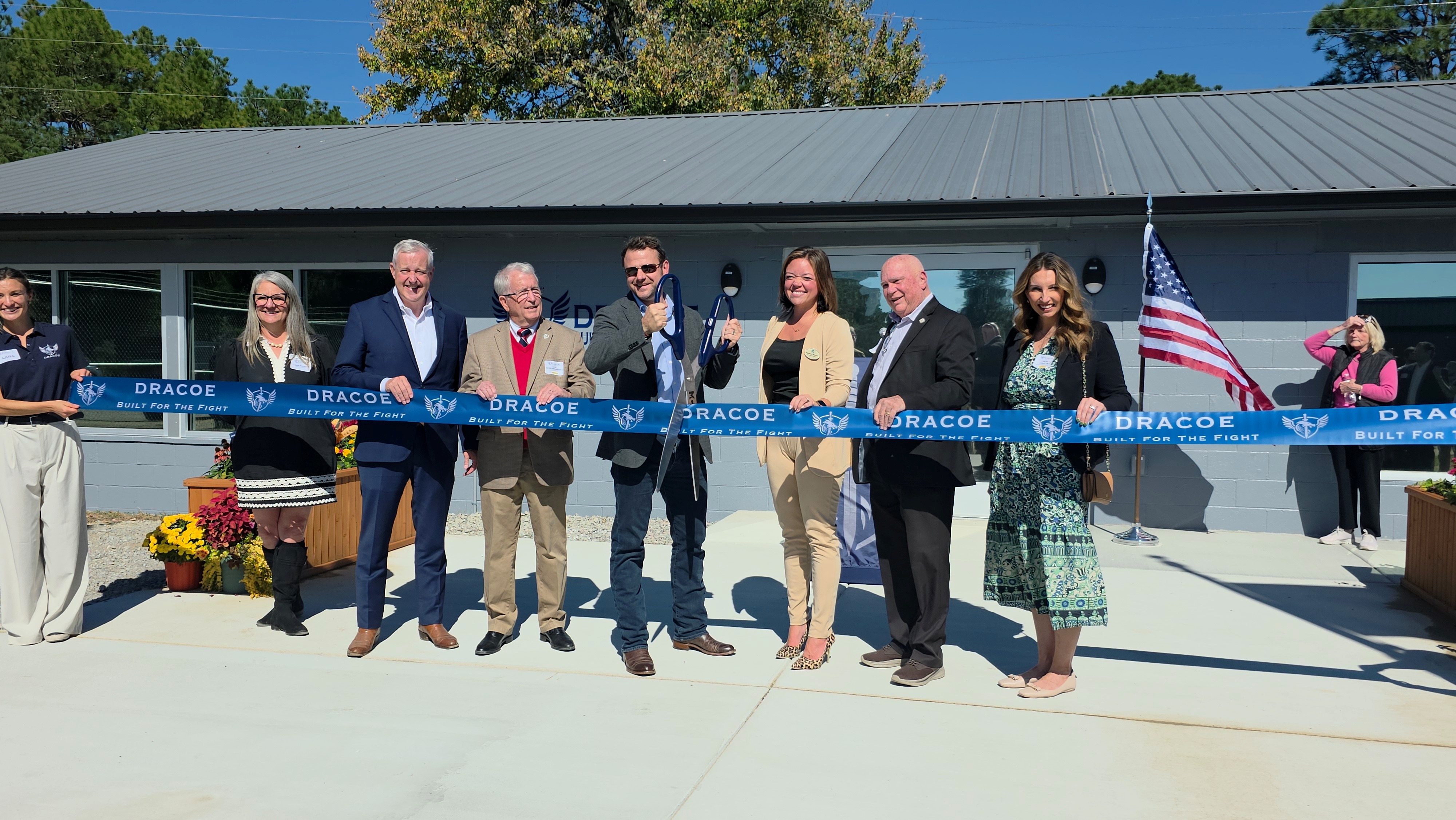

The US Army Special Forces (SF), known as Green Berets because they are awarded a green beret to wear following the rigorous selection and training process, are specialized military units trained to conduct special operations. Photo provided by the G
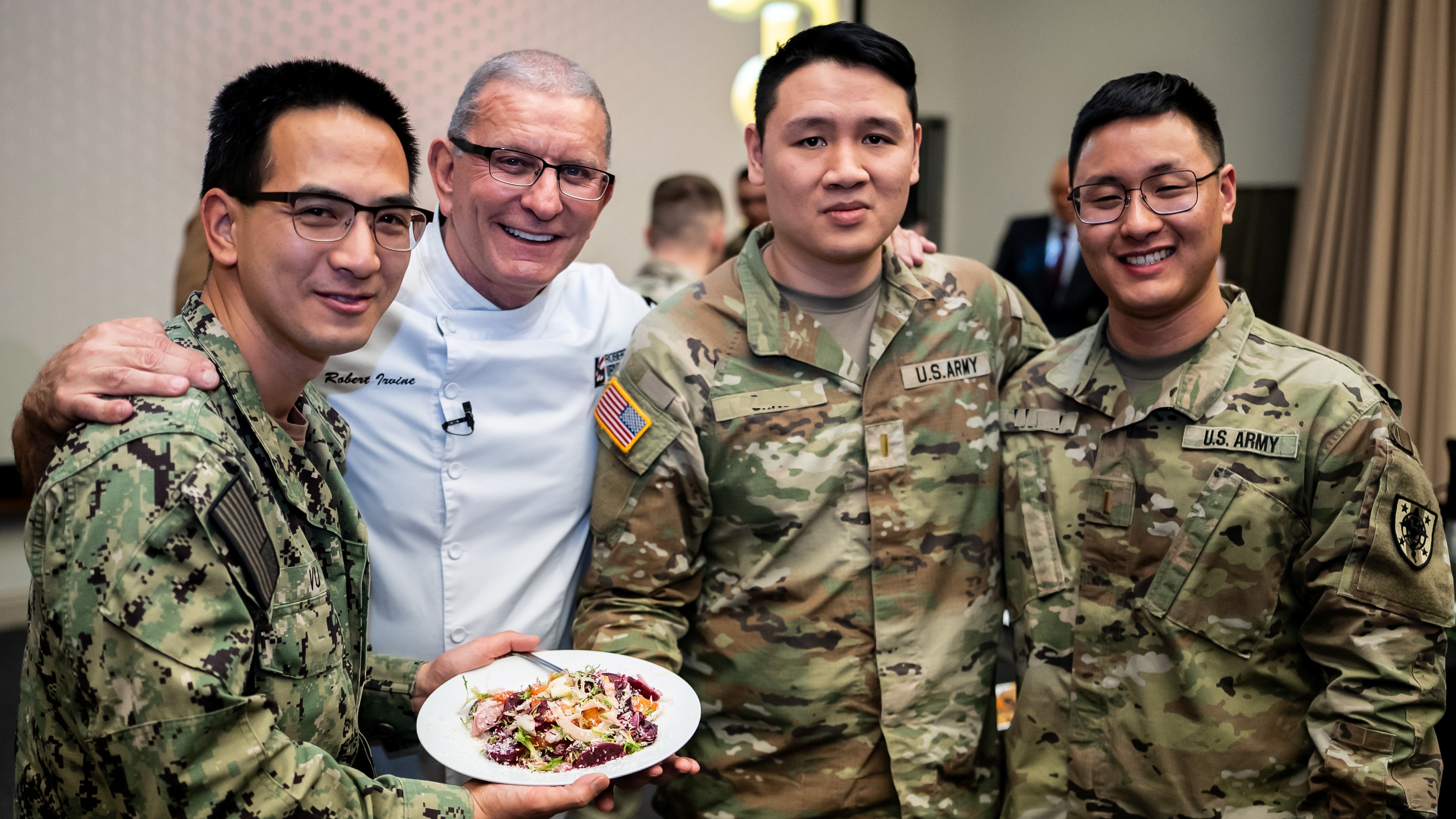
Fuel to Serve will go “beyond the dining hall,” using food and shared meals as trusted entry points to link families with a broader network of resources. Photo courtesy of USAA.USAA and the Robert Irvine Foundation recently announced Fuel to Serve. T

Yes, those are decorations currently in my home. Yes, I may have spent more money than average for two oversized mums that are taking up way too much space on my porch, and yes, I may have stood my ground in a Lowe’s hardware store arguing with my hu