
Harnett County is a hotspot of commercial and industrial development along North Carolina’s I-95 corridor, positioning the region to capture business and professional services, light manufacturing and other economic activity flowing south from the Triangle and east from the Triad.
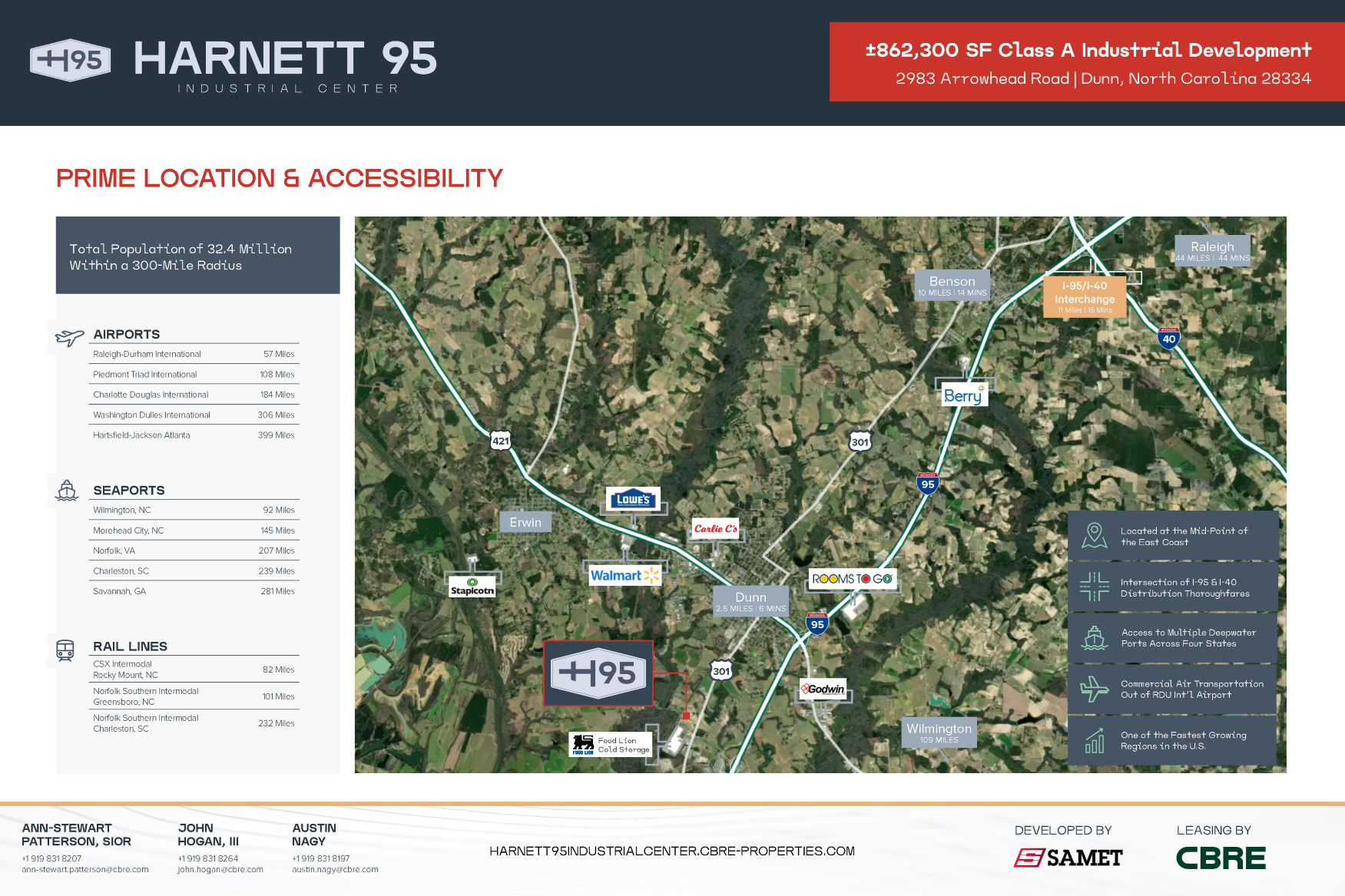
At the center of the industrial effort is the Harnett 95 Industrial Center, the county’s first Class A industrial park. At full buildout, the site will accommodate roughly 800,000 square feet of industrial space across multiple buildings. The first speculative building – approximately 175,000 square feet – is under construction, with delivery expected in 2026.
The county’s broader I-95 strategy includes MidPort 95, a privately led industrial development planned for more than one million square feet of warehouse and distribution space, plus activity at Central Carolina Industrial Park and other sites with highway access. Combined, these projects represent several million square feet of industrial space in various stages of planning and development, fueled by public-private partnerships and private investment.
But the development pipeline extends well beyond big-box growth. Stephen R. Barrington, director of Harnett County Economic Development, said the focus for economic growth is filling product gaps across commercial and industrial sectors – rather than only catering to mega-projects.
“We have multiple markets within Harnett County that will be successful with different product types,” Barrington said. “Geography matters here.”
Harnett County has historically experienced a shortage of smaller, flexible industrial buildings – particularly in the 10,000- to 50,000-square-foot range – that appeal to regional manufacturers, suppliers and service firms, according to Barrington.
The county also needs retail and professional office space to support population growth and business services expansion. New development aims to broaden that mix while accommodating larger users seeking immediate I-95 access.
Site readiness is critical. While some sites are fully entitled and infrastructure-ready, others are moving through due diligence and early development, which affects deal velocity.
However, growth has been steady over time. Two years ago, Harnett had virtually no market-ready industrial sites. Recent progress is notable in a competitive economic development landscape where site availability determines project outcomes.
“Economic development is a process – it’s a marathon without a finish line,” Barrington stated. “Our goal is to create diverse jobs so people can live and work here.”
The implications for economic impact extend beyond increased commercial and industrial square footage. The buildout of market-ready space along the corridor will generate hundreds of jobs across sectors, attract substantial private capital and expand the county’s long-term tax base – outcomes that support municipal services and future infrastructure investment, Barrington shared.
The growth could help the county address the residential vs. employment deficit. More than 40,000 residents work outside of Harnett County, while only 19,000 commute in. That 21,000-person gap translates to lost tax revenue, limited retail spending and heavier reliance on residential property taxes to fund county services. Building a more diverse employment base – spanning manufacturing, professional services and retail – addresses that imbalance.
Manufacturing growth is a strategic priority for Harnett County, which sits at roughly 75% of the national average for manufacturing employment – a gap officials are working to close through targeted recruitment in defense, life sciences, plastics and fabricated metals, particularly given proximity to Fort Bragg and Research Triangle supply chains.
The county also lags in professional and business services, running below 50% of the national average. To address that, Barrington said developers in the county are preparing sites for flex office space in the 1,500- to 5,000-square-foot range, targeting finance, insurance, legal and creative firms, which represent higher-wage employment without requiring industrial infrastructure.
On the site development front, Harnett County has moved aggressively. The county now has nearly 1,000 acres of market-ready sites across five locations, with another five sites totaling 486 acres in due diligence and expected online this year. An additional 1,750 acres are identified for future preparation.
On average, the county receives 130 to 140 project inquiries annually from the state, competing against counties that have spent decades building site inventories. Without market-ready sites, projects simply move to the next county on the list.
“The more diverse real estate product we bring to market, the more we can respond to project inquiries,” Barrington said. “We’re no longer stretching one site to fit every opportunity.”
Investing in Harnett County offers several competitive advantages. The county operates the state’s largest county-owned public water system, addressing a constraint that has stalled projects elsewhere. Site readiness is also accelerating, while the combination of large-scale logistics along I-95, smaller industrial facilities, professional office space and retail development across municipalities provide increased flexibility.
Barrington said this timeline works in Harnett’s favor – infrastructure investments made now will pay off as supply chain pressures and land constraints push development to second-tier markets.
For Harnett County, the message to prospects is straightforward: the land, access and building inventory are now in place along this stretch of I-95. How much this development spurs economic growth depends on how quickly the properties are absorbed.
“We’re in the early stages,” Barrington said. “But as we prepare more property and tell our story, we see this momentum continuing for decades to come.”



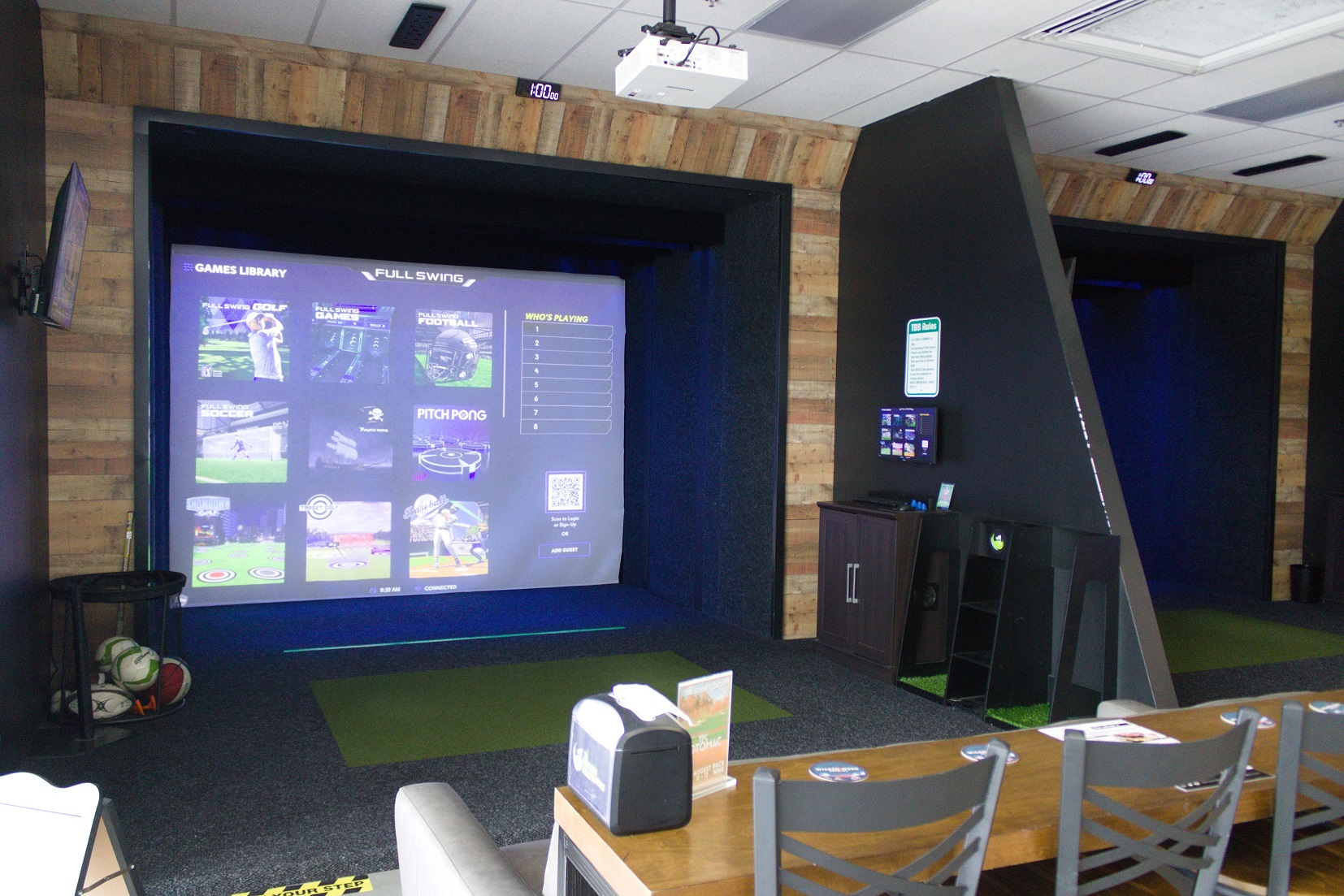


A family affair: Along with a full staff, Owner Eddie Claude and his wife Ruth (pictured right) work with their kids to run the restaurant. Eddie is a Veteran who served for 21 years in the U.S. Army. Photos by YGH STUDIOS & GFBJ. The Fayett
With summer in full swing, I started to reflect on the various ways I spent my summer break over the years. From pool parties with friends to family vacations and sports tournaments, I look back fondly on the summers I’ve enjoyed so far. But it
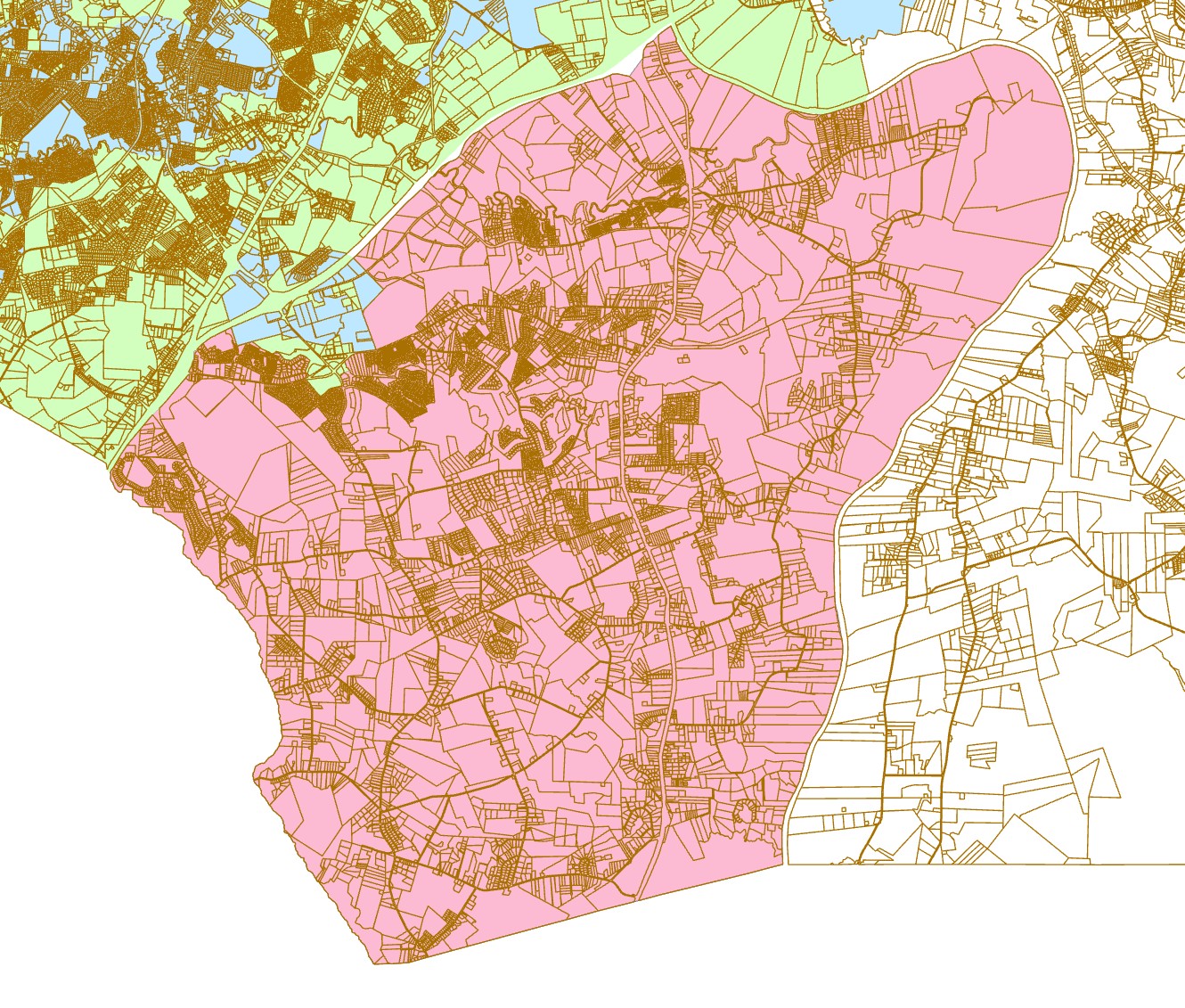
Proposed incorporation boundary (pink) · Gray’s Creek, Cumberland County, N.C. This is a working draft and is subject to revision. Image courtesy of grayscreeknc.com. After decades as an unincorporated rural community in Cumberland County, Gray’