
The N.C. Department of Transportation Division of Aviation has been selected to participate in the Federal Aviation Administration’s Advanced Air Mobility and Electric Vertical Takeoff and Landing (eVTOL) Integration Pilot Program (eIPP).
As part of this federal pilot program, the division will work closely with the FAA and other selected states to explore the potential of next-generation aircraft. The program supports real-world testing of electric aircraft, while helping shape future regulations and safety standards. The value for North Carolina is the federal partnership, the ability to conduct early operations and positioning the state as a continued leader in Advanced Air Mobility.
“Congratulations to the great American innovators behind each of these exciting pilot programs. Working together, we will ensure America leads the way in safely leveraging next-gen aircraft to radically redefine personal travel, regional transportation, cargo logistics, emergency medicine, and so much more,” said U.S. Transportation Secretary Sean P. Duffy in a press release.
The NCDOT initiative, known as eLIFT-NC (Electric Logistics and Integrated Flight Testing), will create a statewide network of electric air taxis connecting hospitals, airports and rural communities to improve healthcare access and quality of care, while meeting rigorous safety and infrastructure standards.
“North Carolina is ready to turn next-generation aircraft into real-world solutions for our communities,” said Julie White, deputy secretary for multimodal transportation at NCDOT. “Through the eIPP, we will connect rural areas, expand mobility options and demonstrate how electric aviation can benefit residents across the state.”
The phased plan includes initial training and baseline operations, expanded route development and, ultimately, hospital pad-to-pad eVTOL missions. The program also supports planning for charging infrastructure, vertiport development and the digital systems required for long-term implementation.
NCDOT will collaborate with health care providers, aviation partners and industry leaders, including BETA Technologies and Joby Aviation, two electric aircraft manufacturers.
“North Carolina has leaned forward on AAM from day one. With strong partners like NCDOT and Raleigh Executive Jetport, we’re ready to move from readiness planning to real operations under the eIPP,” said Kristen Costello, BETA’s head of regulatory and government affairs. “This is a big opportunity to prove how electric aviation can deliver critical cargo and medical support to connect communities, expand access, and strengthen disaster response across the state.”
NCDOT expects to begin early implementation activities in coordination with the FAA in the coming months. Additional details will be announced as project milestones are finalized.



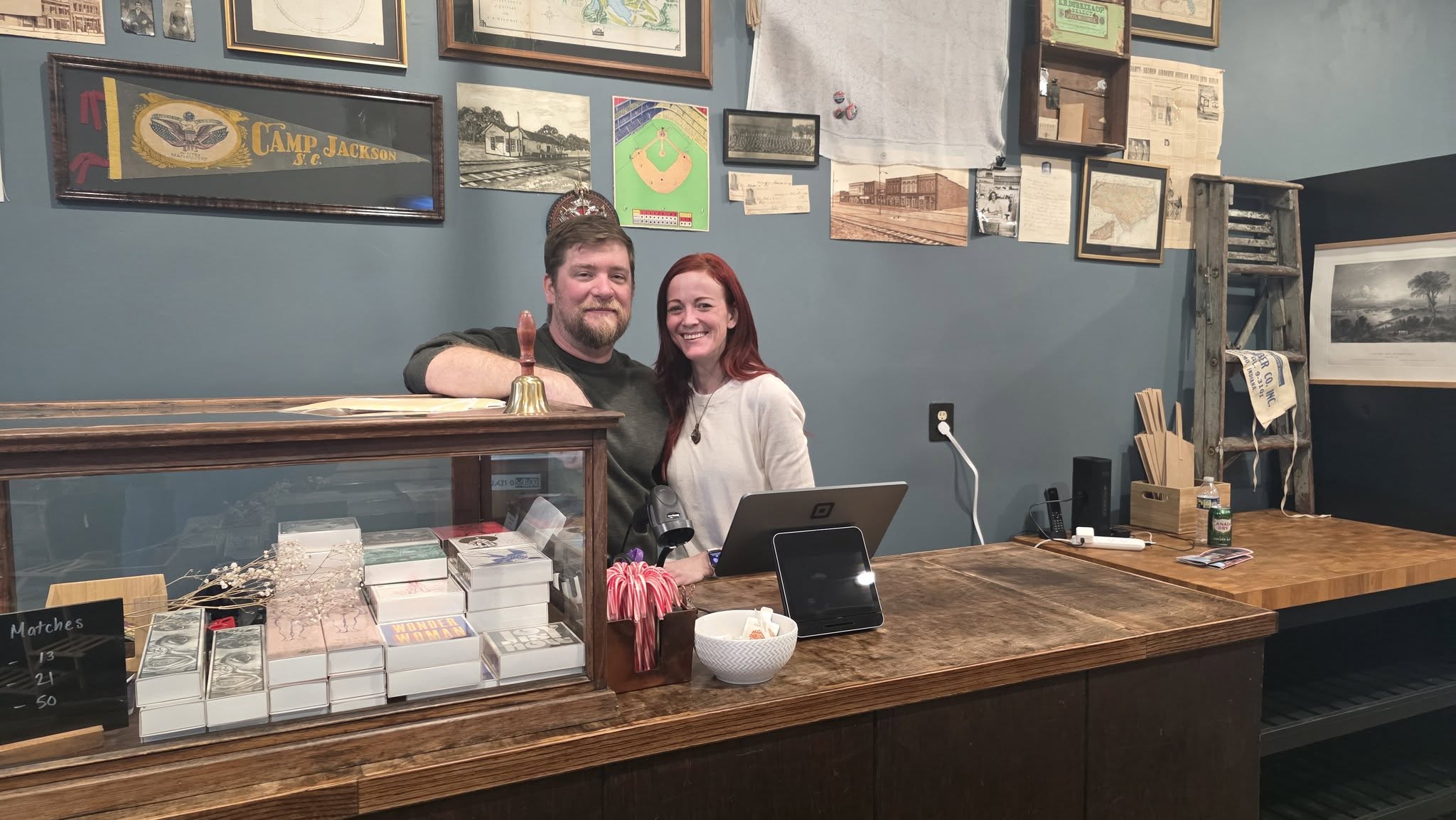
Brian and Staci Graybill opened their third business together, Market Square Pantry, in December 2025. Photo provided by Faith Hatton. For Fayetteville entrepreneurs Brian and Staci Graybill, building a business has often started when they were

The venue features two levels, two fully stocked bars, audio-video systems including projectors, and lighting solutions, an in-house culinary team, lounge space, a bistro section and private rooms, a state-of-the-art DJ booth and on-site staff to hel

Brad and Kelley McLawhorn became business partners in 2001 when they first opened a restaurant on Reilly Road. Now, their highly praised catering company continues to impress community members with flexibility, quality and personalized service. Photo