
For nearly 60 years, the Cape Fear Valley Blood Donor Center has filled a need as the community’s blood bank, thanks to continual support from local volunteers who choose to give blood to support patients in the area who need donations.
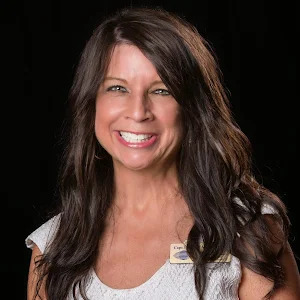
Since the start of the COVID-19 pandemic, the Center has had a short supply of blood. “We haven’t really been able to come out of it, many days with less than two or one day’s supply of a certain blood type,” Lindsey Graham, marketing coordinator for Cape Fear Valley Health System, said. In particular, the clinic has seen a deficit in Type O+ and Type O- blood. Type O+ is the most transfused, she explained, and O- is the universal blood type that people with any blood type can receive.
“The past two years have been the worst in our history in regards to our blood supply,” Graham said.
“Volunteers are able to help their very own friends, family and neighbors. Blood donations made to Cape Fear Valley Blood Donor Center stay local and go straight back to patients within the Cape Fear Valley Health System,” Graham said. “That covers Cumberland, Hoke, Harnett and Bladen counties.”
The Red Cross and the Blood Connection run drives in the area, but Graham points out that those organizations take the blood donations out of the hospital, selling them to hospitals in other states. “So the blood goes straight out of the community where we’re already dire for blood donations. They do not support our local public hospitals in any of the counties I mentioned … The Blood Donor Center does,” she explained.
When the blood bank locally gets low on its supply, the hospitals here have to purchase blood from those outside organizations and others which can often cost as much as $1,600 for one pint of blood.
Businesses supporting the Blood Donor Center by hosting drives are particularly helpful, but the Center finds that over the holidays and in the summertime, less businesses host blood drives. But the patients’ need of lifesaving blood never ends, Graham said. Other reasons for the decrease in blood supply, Graham attributes to people travelling on vacation, seasonal illness and inclement weather.
“This is more of a reason for businesses to host during an especially difficult time,” she added. “We literally can’t operate without the support of local business, schools and groups. With all the precautions [and] closings of schools where we used to get half of our blood supply pre-COVID, our supply has taken a huge hit because they aren’t able to host drives anymore.”
Another issue that the Center runs into is that blood can’t be stockpiled; it has a shelf life of only 42 days.
Despite the dire need for blood donations, hosting blood drives at a business is simple. By calling 910-615-LIFE, interested parties can speak to the Blood Donor Center’s mobile recruiters to establish a date for a bloodmobile to travel to their location. Businesspeople will also receive marketing materials to promote their drive.
Recruiters also work with the designated chairperson to get people signed up to give blood. “The day of, our team rolls up in our bloodmobile, we have a few tables set up for registration and for volunteers to fill out brief donor questionnaires, and we provide refreshments [and] snacks for donors. Donating usually takes 45 min to an hour for the whole process,” Graham said. That time frame includes the paperwork, screening and donating as well as getting refreshments. (paperwork, screening, donating, refreshments). The blood donation itself usually takes less than ten minutes.
“Hosting blood drives is a great way to improve work culture and unify your team at your business to help our local patients with a truly life-saving act,” Graham said. “ It’s a great way for businesses to stand out in the community by giving back to it, and it doesn’t cost anything but a little time.”
To learn more about the Cape Fear Valley Blood Donor Center and their upcoming blood drives, visit www.savingliveslocally.org.




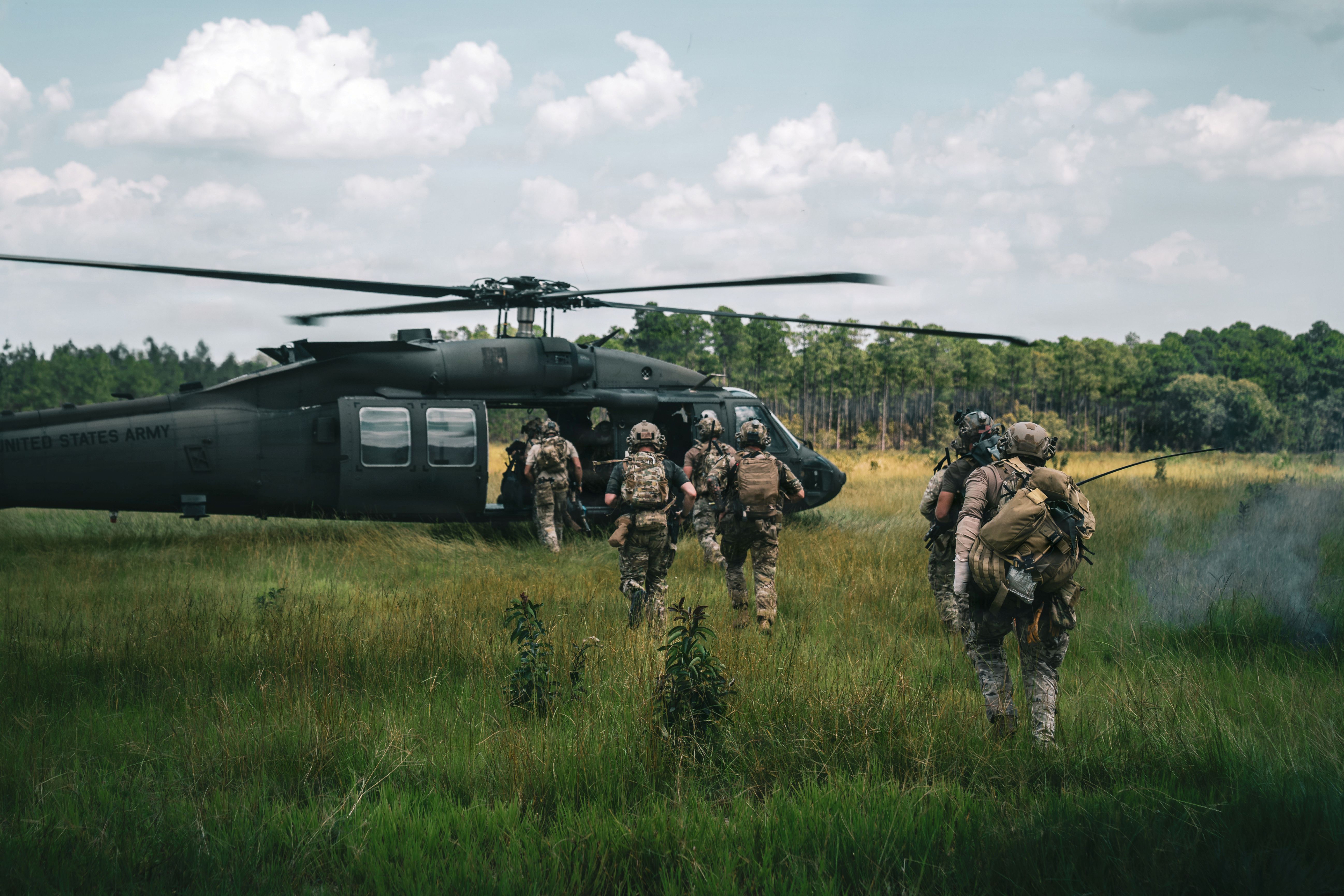
The US Army Special Forces (SF), known as Green Berets because they are awarded a green beret to wear following the rigorous selection and training process, are specialized military units trained to conduct special operations. Photo provided by the G
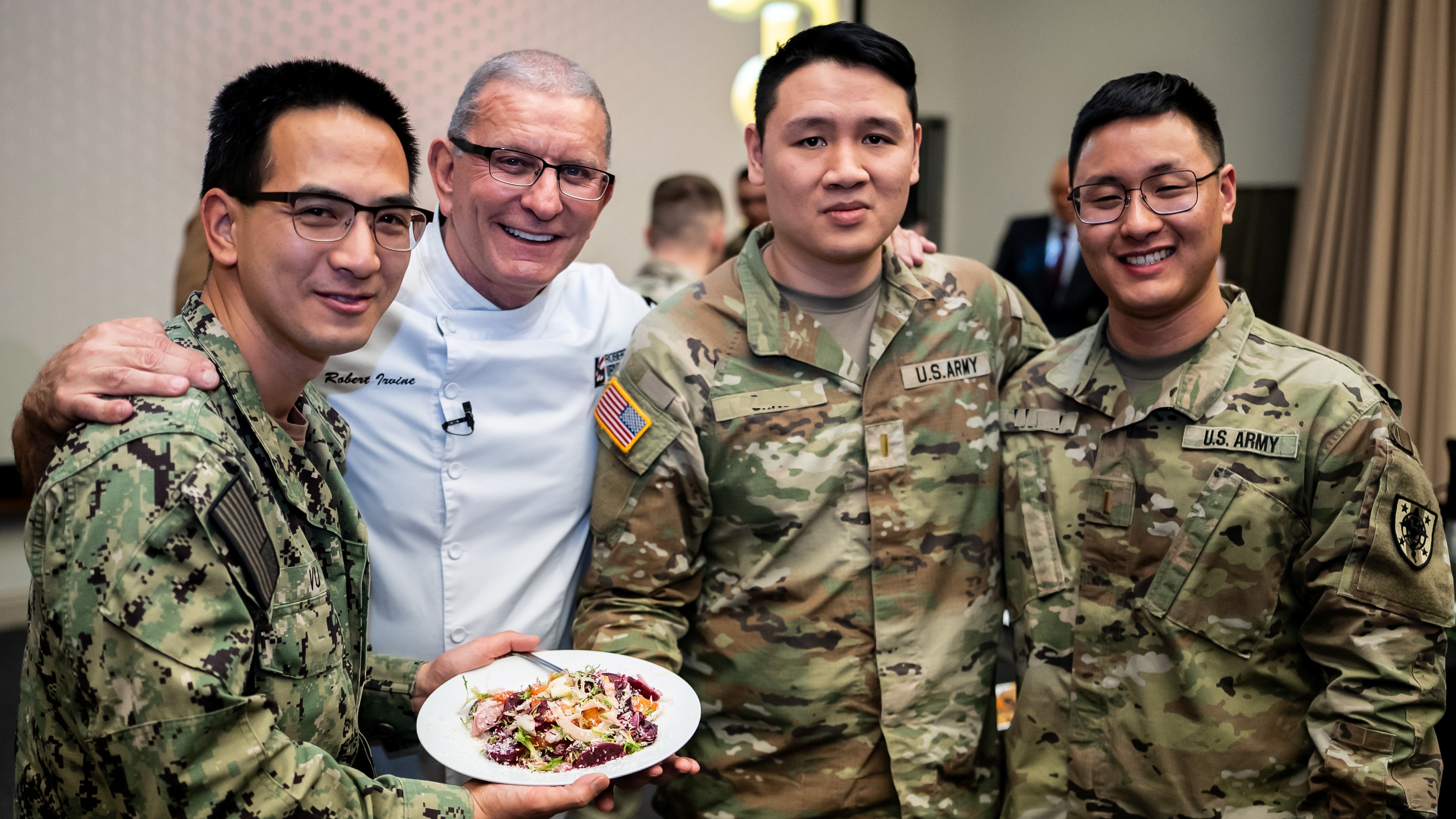
Fuel to Serve will go “beyond the dining hall,” using food and shared meals as trusted entry points to link families with a broader network of resources. Photo courtesy of USAA.USAA and the Robert Irvine Foundation recently announced Fuel to Serve. T
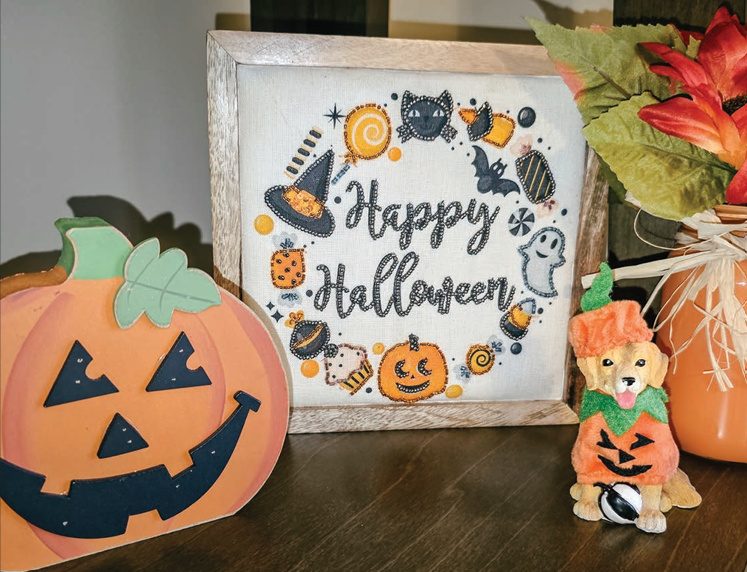
Yes, those are decorations currently in my home. Yes, I may have spent more money than average for two oversized mums that are taking up way too much space on my porch, and yes, I may have stood my ground in a Lowe’s hardware store arguing with my hu