
Amidst the technological revolution and evolving workforce, skilled trades remain a lynchpin of society. The roles of plumbers and HVAC technicians are critical—not only for daily comfort and safety, but for broader economic stability. However, recent analytics reveal a concerning downward trend in the number of skilled tradespeople, particularly in plumbing and HVAC.
Current Trends: The Decline and Shortage in Skilled Trades
According to the U.S. Bureau of Labor Statistics, the median age of plumbers and HVAC technicians now exceeds 40 years, significantly higher than many other professions. Studies from the National Center for Construction Education and Research (NCCER) show that for every three skilled tradespeople retiring, only one new worker enters the field. This ratio results in a net deficit and beginning this year, 2026, projections indicate a shortage of over 20,000 licensed plumbers and nearly 40,000 HVAC professionals in the United States alone.
From an industry perspective ‘The Associated General Contractors of America’ reports that 75% of construction companies and mechanical contractors are struggling to find qualified tradespeople, with plumbing and HVAC consistently cited as the hardest roles to fill. In Canada, the Canadian Apprenticeship Forum projects a need for at least 8,000 new HVAC workers and 5,000 new plumbers by 2028. As one can see, these shortages have direct effects on project timelines, costs, and public health. The National Association of Home Builders notes that delays caused by the trades gap have increased construction costs by an average of 7% and led to longer wait times for repairs in critical systems such as plumbing and heating.
Career Path: From Apprentice to Journeyman and Beyond
A plumbing or HVAC apprenticeship typically lasts 4–5 years, combining up to 8,000 hours of on-the-job training with 720 hours of classroom education depending on the company and State. The average apprentice earns $17–$25 per hour, while licensed journeymen regularly command $30–$45 per hour, based on region, state requirements, union or open shop, and specialization. According to the BLS, median annual wages for plumbers and HVAC technicians exceed $60,000, with experienced professionals earning upwards of $80,000–$90,000. Additionally, tradespeople report high job satisfaction, citing autonomy, stability, and tangible contributions to their communities.
Analytics from the Plumbing-Heating-Cooling Contractors Association indicate that 30% of licensed tradespeople eventually own their own businesses, leveraging their skills into entrepreneurship and leadership roles.
Technology Limits: Why AI and Robotics Cannot Replace Skilled Trades
Recent studies from McKinsey & Company and the National Institute for Occupational Safety and Health (NIOSH) affirm that while automation may supplement certain administrative tasks, the physical and cognitive challenges inherent in plumbing and HVAC work are beyond current AI capabilities. Site-specific diagnostics, code compliance, and emergency response still require human expertise, flexibility, and interpersonal communication. In a 2025 survey of 1,000 contractors, 92% agreed that “robots and AI cannot fully replace skilled workers in plumbing and HVAC.” The consensus is clear: technology is a tool, but human tradespeople remain indispensable.
Valuing and Investing in Skilled Trades
The data underscores the urgent need for investment in training and recruitment. By promoting apprenticeships, supporting education, and recognizing the irreplaceable value of skilled trades, society can bridge the gap and ensure essential services endure. Plumbing and HVAC are more than technical jobs—they are pillars of public health, safety, and prosperity. The future depends on revitalizing these critical professions and honoring those who choose them.





Hello, loyal readers. I am writing to you as someone older and therefore wiser (okay, I’m actually writing this the day before my birthday, but you will receive your copy after I’ve already celebrated). I was reminded of how truly blessed I am t

Renaissance offers a broad range of massage services, from standard Swedish and deep tissue massages to signature massages that offer clients aromatherapy, a farmhouse-sourced “honey heel glaze” foot treatment and hot stone therapy. Photo by Style To
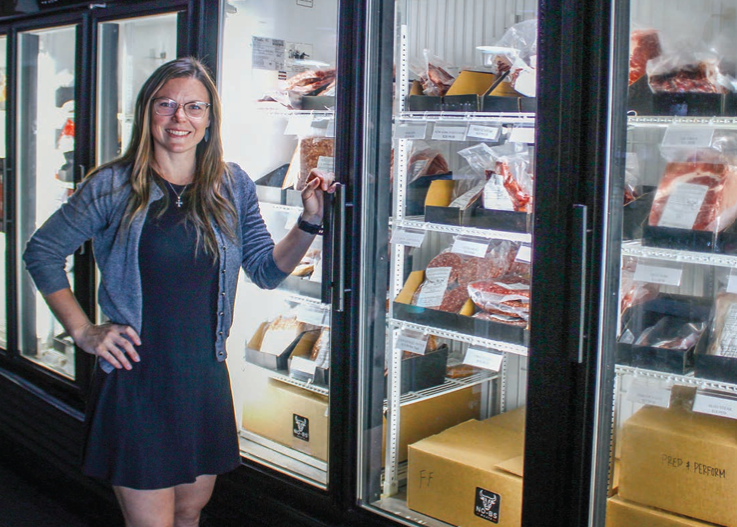
Nikole (pictured) and Lakota Shawn began selling their meat at farmers markets and in an online store in 2024. Now, they’ve opened their first brick-and-mortar location. Photo by GFBJ.The Shawn family believes in quality, locally sourced food, and th