
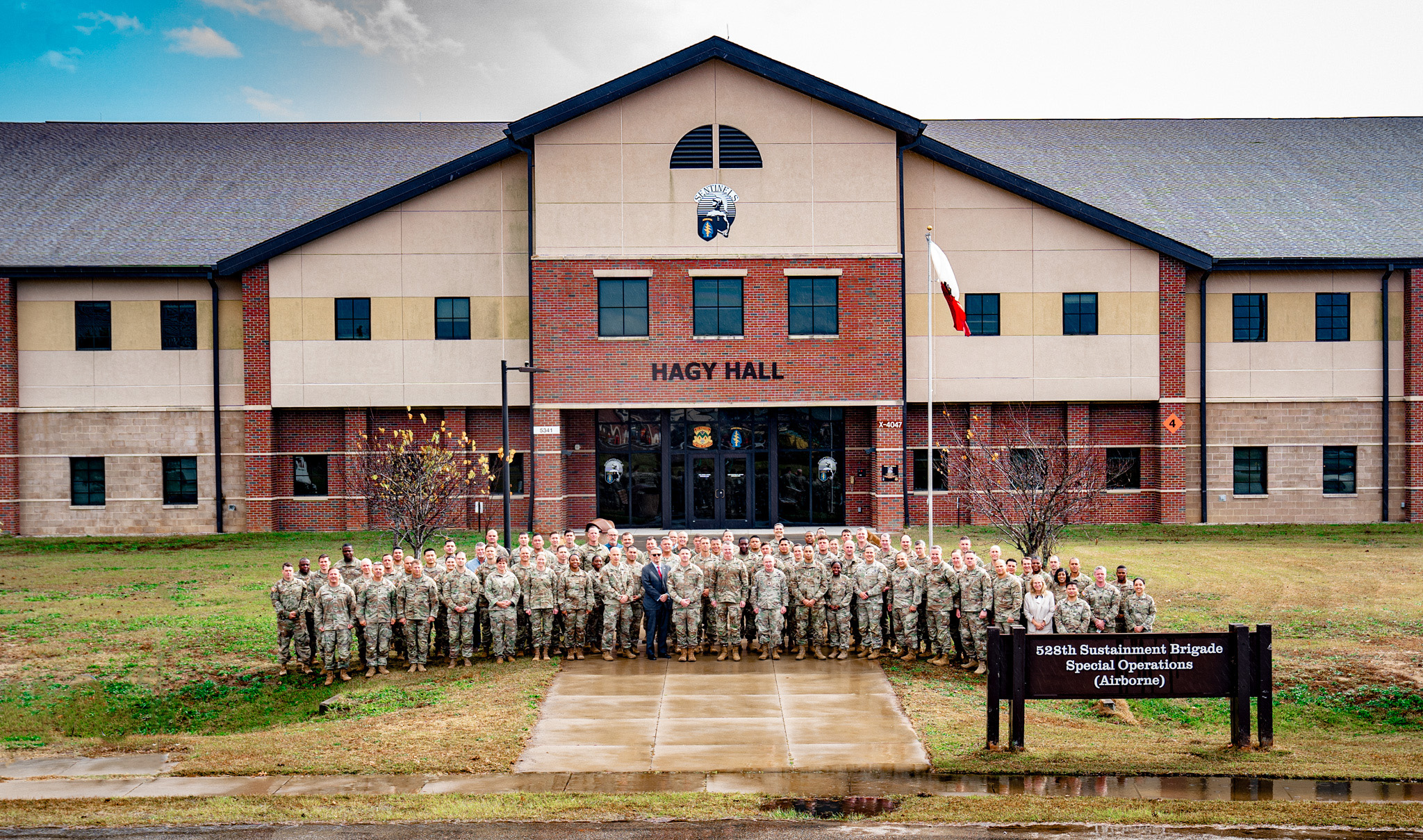
The 528th Sustainment Brigade (Special Operations) (Airborne) hosted the United States Army Special Operations Forces (ARSOF) annual Sustainment Symposium from Nov. 13-15, 2024. This year’s symposium focused on Transforming in Contact (TiC), specifically developing and integrating Multi-Functional Teams (MFTs) and restructuring Group Support Battalions (GSBs) to address manpower challenges and enhance operational efficiency. Senior military leaders, logistics experts and specialists discussed strategies for optimizing logistics support in modern military operations.
A key symposium theme was adapting force development to address evolving challenges in manpower and resources. Discussions highlighted the potential of MFTs—specialized, mission-specific units—to provide tailored logistical solutions in high-intensity combat. Integrating MFTs with restructured GSBs was identified as a critical strategy for improving logistics coordination, enhancing flexibility and ensuring efficient support for soldiers in complex operational environments.
The event also explored how emerging technologies, such as autonomous systems, artificial intelligence and advanced transportation solutions, can mitigate manpower limitations. These innovations are essential to improving logistics speed, precision and resource management, ensuring that warfighters receive timely, reliable support in dynamic combat conditions.
Experts also focused on the evolving role of GSBs in maintaining readiness, for themselves and for the Special Forces Groups they support, ensuring the continuous flow of resources during operations. They emphasized the need for GSBs to adapt to modern operational demands, highlighting their importance in providing responsive logistics even in austere and contested environments. This adaptability is essential to maintaining operational effectiveness and supporting the warfighter.
The symposium also underscored the critical role of Combat Training Centers (CTCs), including the Joint Readiness Training Center (JRTC) and the National Training Center (NTC), in preparing sustainers for the complexities of large-scale combat. These centers simulate realistic, high-intensity scenarios where logistics support is vital to mission success. Insights from CTC training were identified as essential for ensuring future MFTs and GSBs can meet the demands of the modern battlefield.
As the symposium concluded, participants stressed the importance of continued transformation in force development, innovation and warfighter support. Integrating MFTs with updated GSB structures, leveraging technological advancements and incorporating lessons from CTC training will be key to overcoming operational challenges and ensuring operational success. The event reaffirmed the need for strategic planning, innovation and interagency collaboration to maintain logistics systems that effectively support Army and Joint forces in any environment.
Story by: Staff Sgt. Emely Eckels, 528th Sustainment Brigade (Special Operations)(Airborne) Disclaimer: "The appearance of U.S. Department of Defense (DoD) visual information does not imply or constitute DoD endorsement."




Hello, loyal readers. I am writing to you as someone older and therefore wiser (okay, I’m actually writing this the day before my birthday, but you will receive your copy after I’ve already celebrated). I was reminded of how truly blessed I am t

Renaissance offers a broad range of massage services, from standard Swedish and deep tissue massages to signature massages that offer clients aromatherapy, a farmhouse-sourced “honey heel glaze” foot treatment and hot stone therapy. Photo by Style To
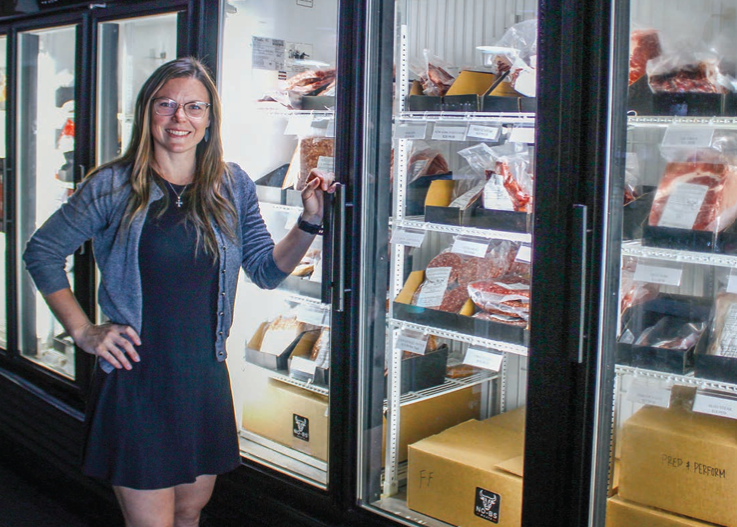
Nikole (pictured) and Lakota Shawn began selling their meat at farmers markets and in an online store in 2024. Now, they’ve opened their first brick-and-mortar location. Photo by GFBJ.The Shawn family believes in quality, locally sourced food, and th