Medical logisticians and U.S. Army stakeholders recently convened for a three-day strategic offsite to conduct an after-action review of “wave one” and final planning conference for “wave two” of Medical Logistics in Campaigning, or MiC, a major initiative to integrate medical logistics into the broader Army sustainment enterprise.
“We’ve been working toward this for a long time and had never reached a true tipping point -- until now,” said Derek Cooper, deputy to the commander at U.S. Army Medical Logistics Command. “This is our opportunity to make integration a reality for all Army units across the force.”
AMLC, the Army’s Life Cycle Management Command for medical materiel, has been tasked by the Army to act as the lead agency for MiC implementation effort.
Wave one, which kicked off Oct. 1, 2024, focused on incorporating medical materiel and maintenance functions into the Army sustainment enterprise, specifically within select active-duty and National Guard units in the continental U.S. and abroad.
“I found it encouraging that stakeholders at all echelons share a clear understanding of the challenges, and more importantly, a collective will to solve them,” said Lt. Col. Travis Helm, director of AMLC’s Strategic Initiatives Group. “The shared sentiment was encouraging.”
A central goal of MiC’s first wave was to integrate MEDLOG operations with the Army’s sustainment system of record, Global Combat Support System-Army, or GCSS-Army.
Using GCSS-Army for medical materiel procurement reduces IT system requirements, unifies the operational picture for senior leaders, enables data-driven decisions, enhances tracking of medical materiel consumption and improves demand forecasting through precision logistics.
The groundwork for this integration began with a tabletop exercise at Fort Bragg last spring. Mid-grade noncommissioned officers and company-grade officers played a key role in shaping initial strategies.
“You are the ones dealing with these issues daily,” AMLC Commander Col. Marc Welde said. “You have the best lessons learned and are best positioned to drive meaningful change.”
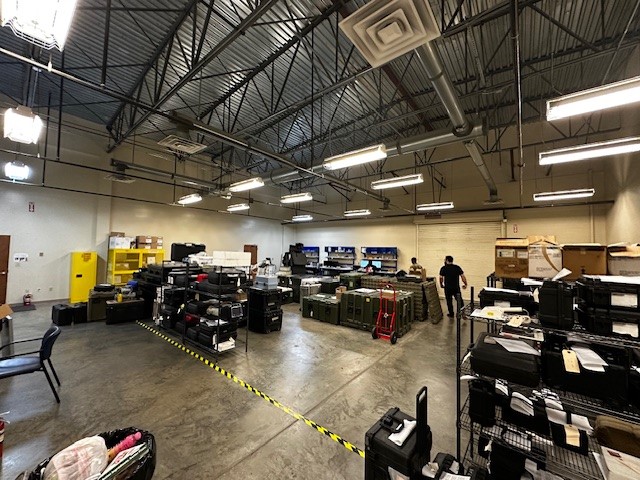
Another challenge tackled during MiC wave one was integrating medical materiel into supply support activities, consolidating commodity flow within organic Army capabilities and reducing dependency on medical treatment facilities.
“For the past 40 years, warehousing medical materiel separately from other commodities has been the norm, creating challenges both on the battlefield and in garrison,” Cooper said.
Additionally, the campaign worked to streamline the unit-level ordering process through the development of a centrally managed catalog that enables more efficient materiel management and improved integration with supply channels.
“MEDLOG integration into G4/S4 channels is essential,” Helm noted. “We must address issues like long lead times through rigorous analysis, management and action across all echelons.”
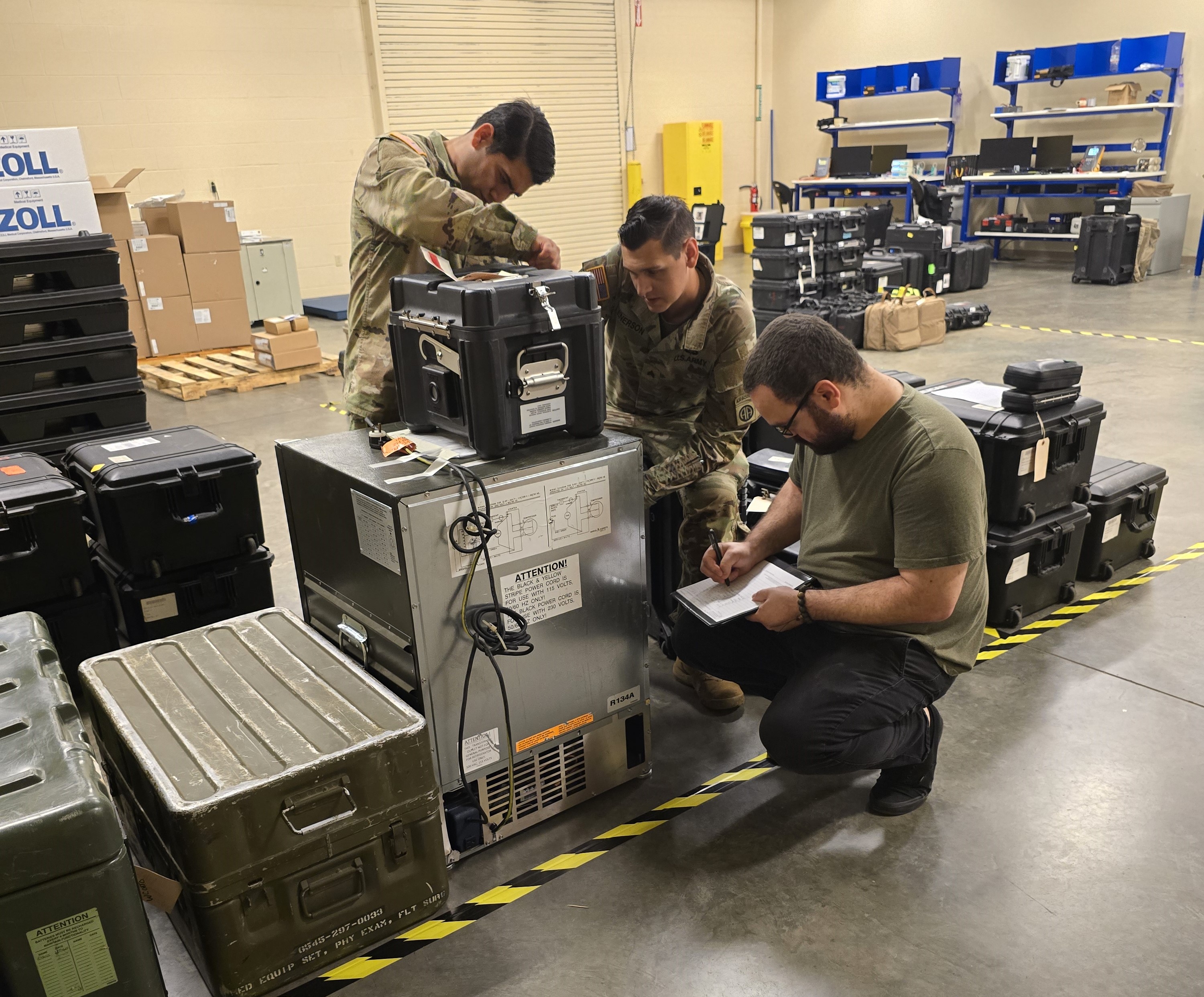
Wave one also laid the foundation for expanding the Home-Station Medical Maintenance Support, or HMMS, program, which provides regional maintenance support to units without assigned biomedical equipment specialists in accordance with AR 750-1. This capability enhances equipment readiness while reducing costs.
“HMMS is a crucial advantage for the Army, ensuring operational forces have medically ready equipment exactly when and where needed,” said Chief Warrant Officer 3 Richard Hendricks, HMMS director. “It places maintenance assets closer to the point of need, accelerating turnaround times and returning critical capabilities directly to the fight.”
Since its launch in 2024, HMMS has received nearly 1,000 medical device work orders, leading to measurable improvements in readiness.
“The HMMS concept demonstrated its effectiveness during real-world demands at one of the Army’s largest power projection platforms -- Fort Bragg,” Hendricks said. “It proved invaluable in rapidly restoring mission-critical medical devices and directly boosting operational capability.”
This recent strategic offsite also served as the final planning conference for “wave two,” which is scheduled to begin Aug. 1. The five-wave implementation plan is set to be completed by 2028.
“By Integrating into the Army sustainment enterprise, MEDLOG in Campaigning is reducing risk and redundancies, increasing efficiency and improving resource prioritization,” Helm said. “This makes us a faster, more lethal Army.”
Disclaimer: "The appearance of U.S. Department of Defense (DoD) visual information does not imply or constitute DoD endorsement."
Story by Kathryn Ellis-Warfield , U.S. Army Medical Logistics Command pulled from DVIDS.



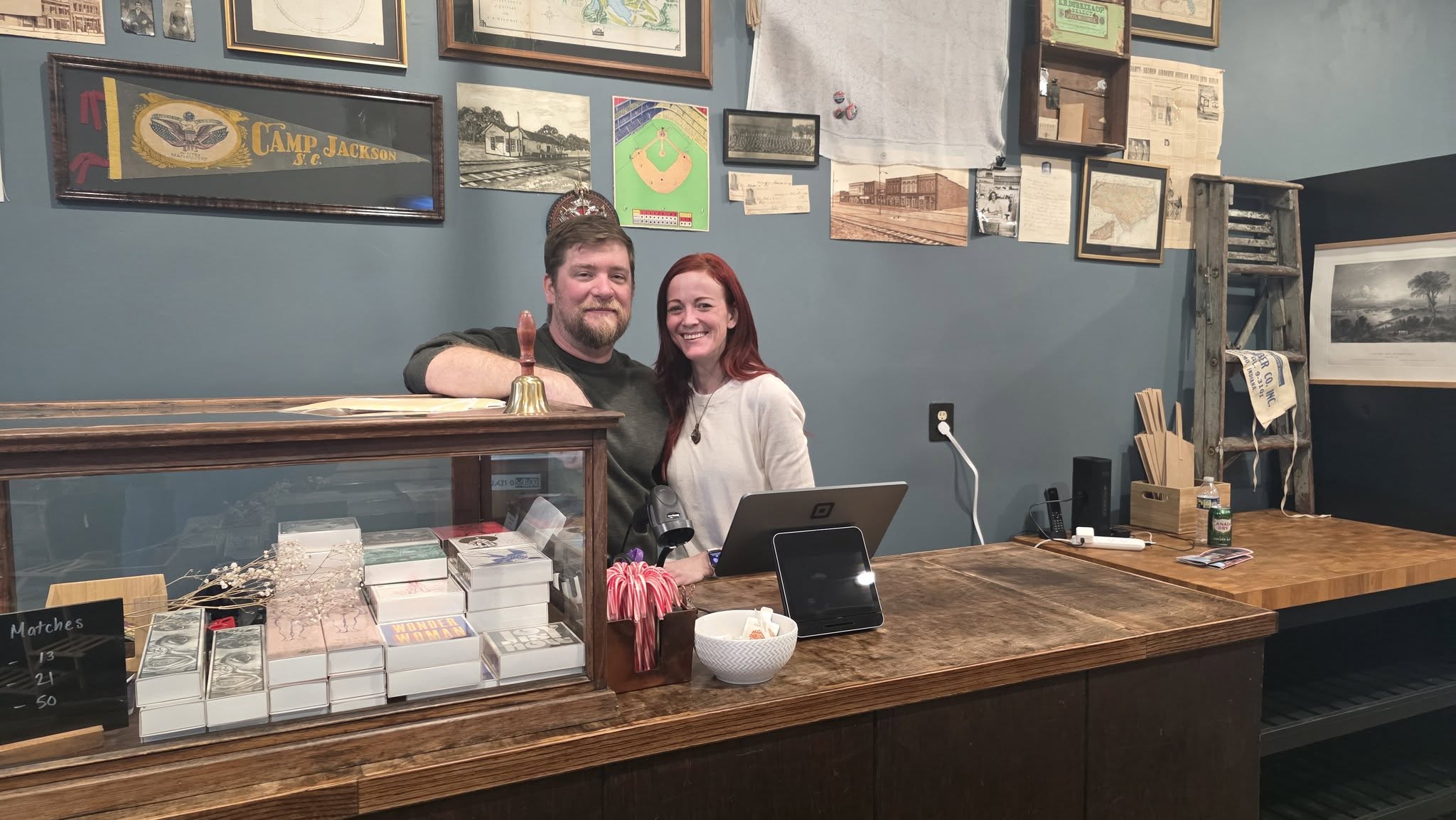
Brian and Staci Graybill opened their third business together, Market Square Pantry, in December 2025. Photo provided by Faith Hatton. For Fayetteville entrepreneurs Brian and Staci Graybill, building a business has often started when they were

The venue features two levels, two fully stocked bars, audio-video systems including projectors, and lighting solutions, an in-house culinary team, lounge space, a bistro section and private rooms, a state-of-the-art DJ booth and on-site staff to hel
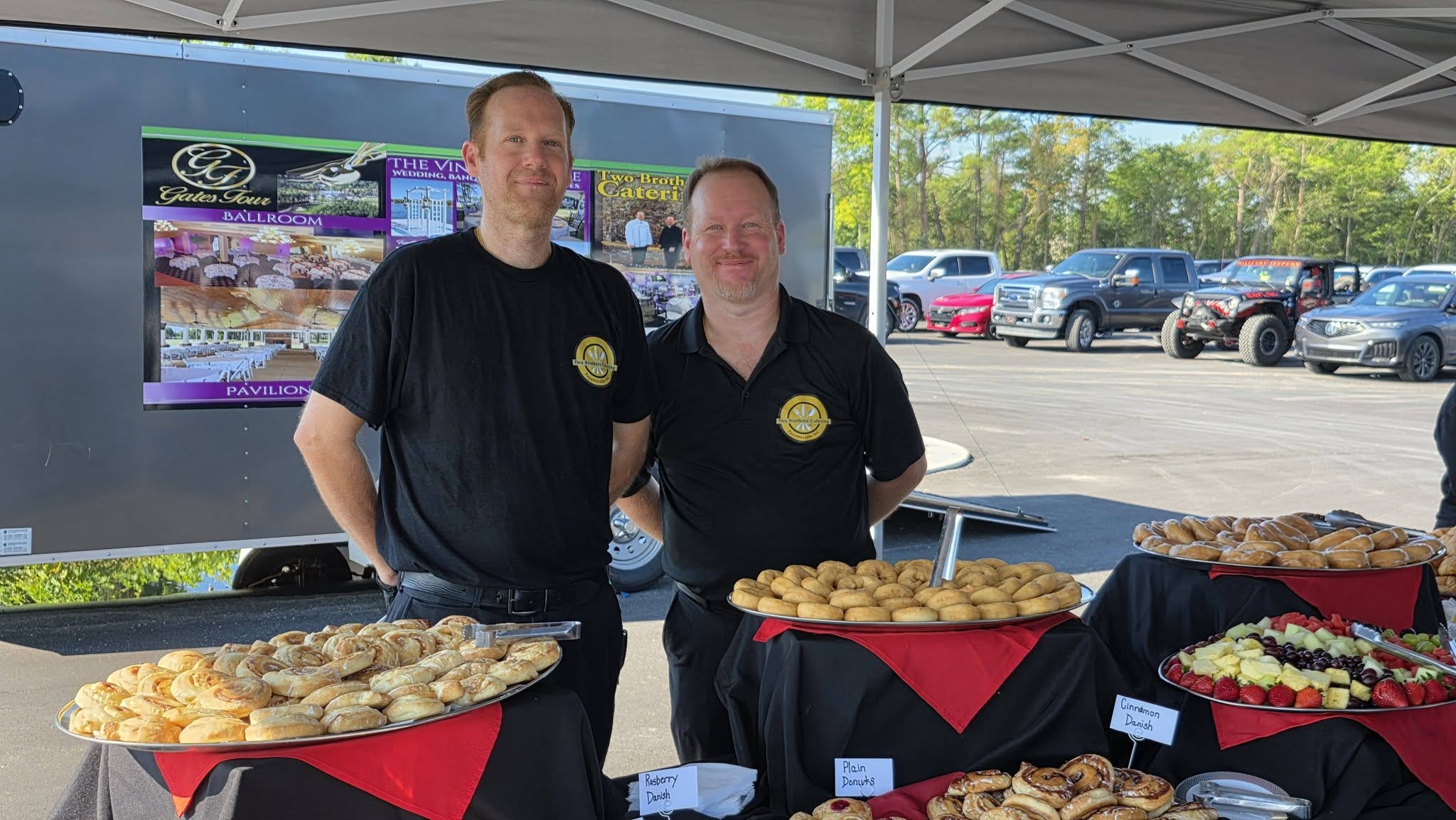
Brad and Kelley McLawhorn became business partners in 2001 when they first opened a restaurant on Reilly Road. Now, their highly praised catering company continues to impress community members with flexibility, quality and personalized service. Photo