

The State of North Carolina has been listed as having one of the best tax structures for business, according to a recent Location Matters survey and newly released data from the Tax Foundation and KPMG LLP, a U.S. audit, tax and advisory firm.
May’s “Location Matters” study compared overall tax costs among businesses in all 50 states, providing a detailed look at the factors behind North Carolina’s strong finish.
“When companies consider a new location, it’s a multifaceted discussion,” said Robert Van Geons, president and CEO of the Fayetteville Cumberland County Economic Development Corporation. “That said, all things being equal (skilled workforce, utilities, transportation infrastructure, buildable sites), the overall cost of doing business in a community is often a deciding factor.”
Major tax reforms that began in 2013 played a significant role in boosting the state’s economy. During the seven years that followed, the state’s gross domestic product (GDP) rose 9.5 percent, exceeding the 9 percent national average, according to a statement made Wednesday from the North Carolina Chamber of Commerce.
“In my experience, North Carolina communities stack up well against our competition in other states, when it comes to commercial and industrial property taxes,” Van Geons said. "This, combined with aggressive local incentives, has helped us land a number of projects. While we often get questions regarding the Corporate Income Tax Rate, I’m not aware of us winning or losing a project because of it. However, with so much information available online, we never know what caused a company not to initially contact us.

The state’s economy has also risen from 41st a decade ago to first, according to an annual report, “America’s Top States for Business,” released by CNBC.
North Carolina’s lowest corporate income tax, as well as low commercial property taxes are the main factors that benefit firms.
“In my experience, North Carolina communities stack up well against our competition in other states, when it comes to commercial and industrial property taxes,” Van Geons said. "This, combined with aggressive local incentives, has helped us land a number of projects. While we often get questions regarding the Corporate Income Tax Rate, I’m not aware of us winning or losing a project because of it. However, with so much information available online, we never know what caused a company not to initially contact us.
Gary Salamido, president and CEO of the NC Chamber of Commerce, said companies look at a variety of factors when deciding where to locate or expand, from the quality of a state’s talent pipeline to its regulatory climate.
"So it is often difficult to attribute a company’s decision to a single one of these factors,” Salamido said. “That said, a well-balanced and predictable tax climate is near the top of this list for virtually all job creators. Since North Carolina began to revamp our business tax climate early last decade, an array of industries have seen increased growth, including aerospace and defense, information technology, life sciences, advance manufacturing, and business and financial services. It’s safe to say that our favorable tax climate has contributed to this growth.”
The North Carolina Chamber of Commerce reported that the state went from the highest corporate income tax rate in the Southeast to the lowest in the country at 2.5 percent. The state also now ranks third nationally for lowest overall tax rates among newly established companies that are both privately and publicly held, and fifth for best overall rates among mature privately and publicly held businesses, according to the Location Matters study.
“Raleigh, Durham and Charlotte have seen some of the largest influxes of growth due to the state’s favorable tax conditions,” Salamido said. “Companies are leaving high corporate tax states like California in favor of more affordable states to do businesses — and NC has the lowest corporate tax rate in the nation at 2.5 percent. Repealing our franchise tax would be one way to make our tax climate even more favorable to capital-intensive manufacturers and main street businesses — which could help attract investments in more rural parts of the state.
The chamber also stated that low commercial property taxes compared to neighboring states such as South Carolina and Tennessee are good incentives to build or relocate to North Carolina. Unlike Georgia and Virginia, North Carolina does not include business inventory in its property tax base, according to the chamber.
“Changes to North Carolina’s corporate tax structure were not the sole reason for North Carolina becoming more competitive for business, but it was certainly a crucial part of it,” said Salamido. “Reforms to unemployment insurance tax laws have also allowed North Carolina to quickly pay off a growing federal debt, reducing a debt-inflated federal UI tax on employers and restoring solvency to the state’s UI system.”
Salamido said tax reform “has been a game changer” in terms of attracting new companies to the state. He also pointed to a benefit of tax as an incentive for companies with a presence in North Carolina to continue investing in their businesses here.
“It’s a tax structure that keeps costs predictable, attracts and retains corporations, and, ultimately, it has and continues to bolster our state’s economy,” Salamido said.
Christopher Chung, chief executive officer of the Economic Development Partnership of North Carolina, agreed.
“The businesses we recruit to North Carolina weigh our tax competitiveness alongside other important considerations such as skilled workforce talent, strong infrastructure, and robust educational and training resources,” Chung said. “We see the uniquely comprehensive Location Matters study — and North Carolina’s very strong performance in that study — as powerful validation of North Carolina’s business-friendly tax climate, which, when combined with our world-class talent pool, makes our state the clear choice for fast-growing companies of all sizes and industries.”



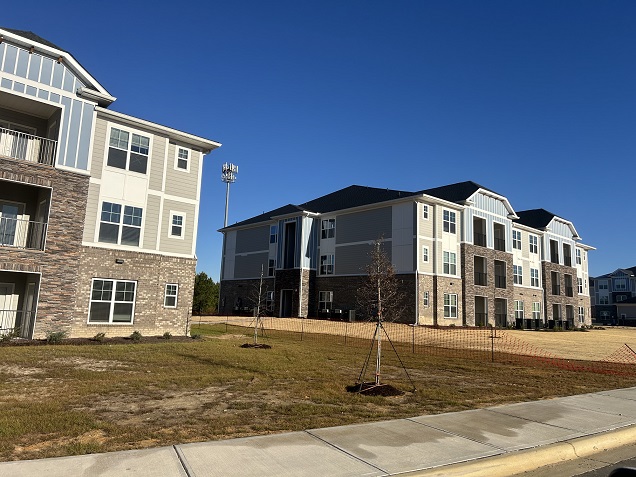
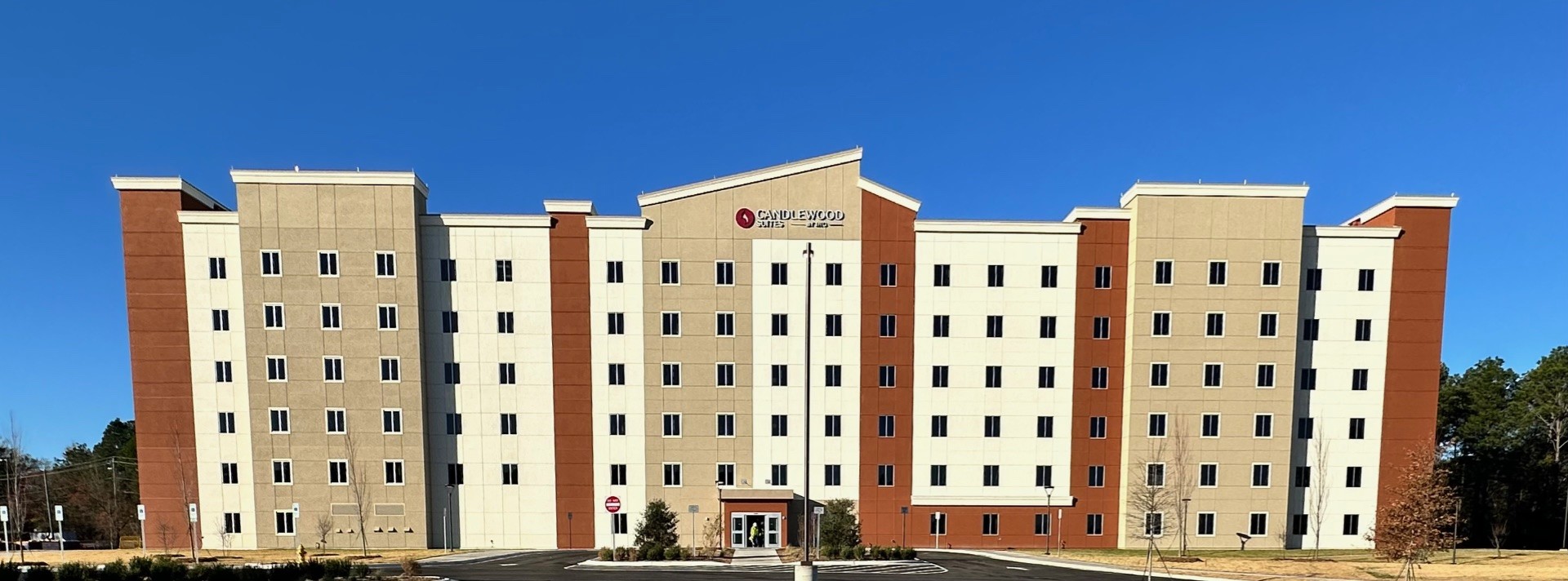


Nearly 80 acres of commercial development are now underway in Hope Mills. With Target serving as the anchor tenant, Camden Commons will bring a dynamic mix of retail and commercial opportunities. Land clearing and grading are underway at the site dev

GRAPHIC PROVIDED BY BETTER BUSINESS BUREAUIn the fall of 2025, I was approached to be a judge for the Better Business Bureau’s 2026 award series. Like many of you in the community, I didn’t realize that the BBB had its own awards, and I was excited t

As the director of the FSU HUB, Dr. Tamara Colvin is responsible for strategic and operational leadership to provide impactful support to emerging entrepreneurs and existing small businesses. Photo provided by Colvin.Fayetteville Cumberland Regional