
Today, Oct. 18, the U.S. Department of Energy (DOE) announced that Fayetteville PWC (PWC) is a U.S. Department of Energy Awardee and will receive a multi-million dollar matching grant to install new software and advanced technologies to improve electric reliability for customers.
PWC applied for a $11,436,783 grant through the Grid Resilience and Innovation Partnerships (GRIP) Program. In addition, there is a recipient cost share of $12,299,571. The funds will support PWC’s Situational Awareness and System Automation Solutions to install technology engineered to allow for PWC to quickly and easily manage the energy distribution system, protecting infrastructure and improving the reliability of the system. The goal is to improve the System Average Interruption Duration Index (SAIDI) by 25%. For PWC customers, this will mean they will experience shorter power outages.
“Our goal is to provide customers with safe, reliable and affordable electric services,” said Jon Rynne, Chief Officer for PWC’s Electric System Division, in a press release. “The technology funded by this Department of Energy grant will allow PWC to quickly isolate an outage, quickly and safely restore services and improve reliability for customers.”
One of the technologies made possible by this program will be the Distributed Energy Resource Management System (DERMS). DERMS will provide the platform necessary for real‐time monitoring, management and dispatch of resources. The DERMS platform will enable PWC to fully leverage its three planned new solar farms, which will come online over the next three years.
A final component of the grant is establishing a Partnership Advisory Group that will bring together local education, business and community agencies. Through these partnerships, PWC will provide procurement, hiring and workforce development opportunities throughout the community.






Join us Sept. 29 for our third Power Breakfast of 2026 as business leaders share how they leverage decades of institutional wisdom. The Greater Fayetteville Business Journal invites you to join us for our third quarterly Power Breakfast, The Fam

Skyeton leadership have decided to look locally for a general contractor to head up major renovations for the 28,479-square-foot building they’ve selected as their new home. Fayetteville-based Critical Path Solutions LLC has been chosen as the primary contractor for bringing new life to the previous Black+Decker plant site.
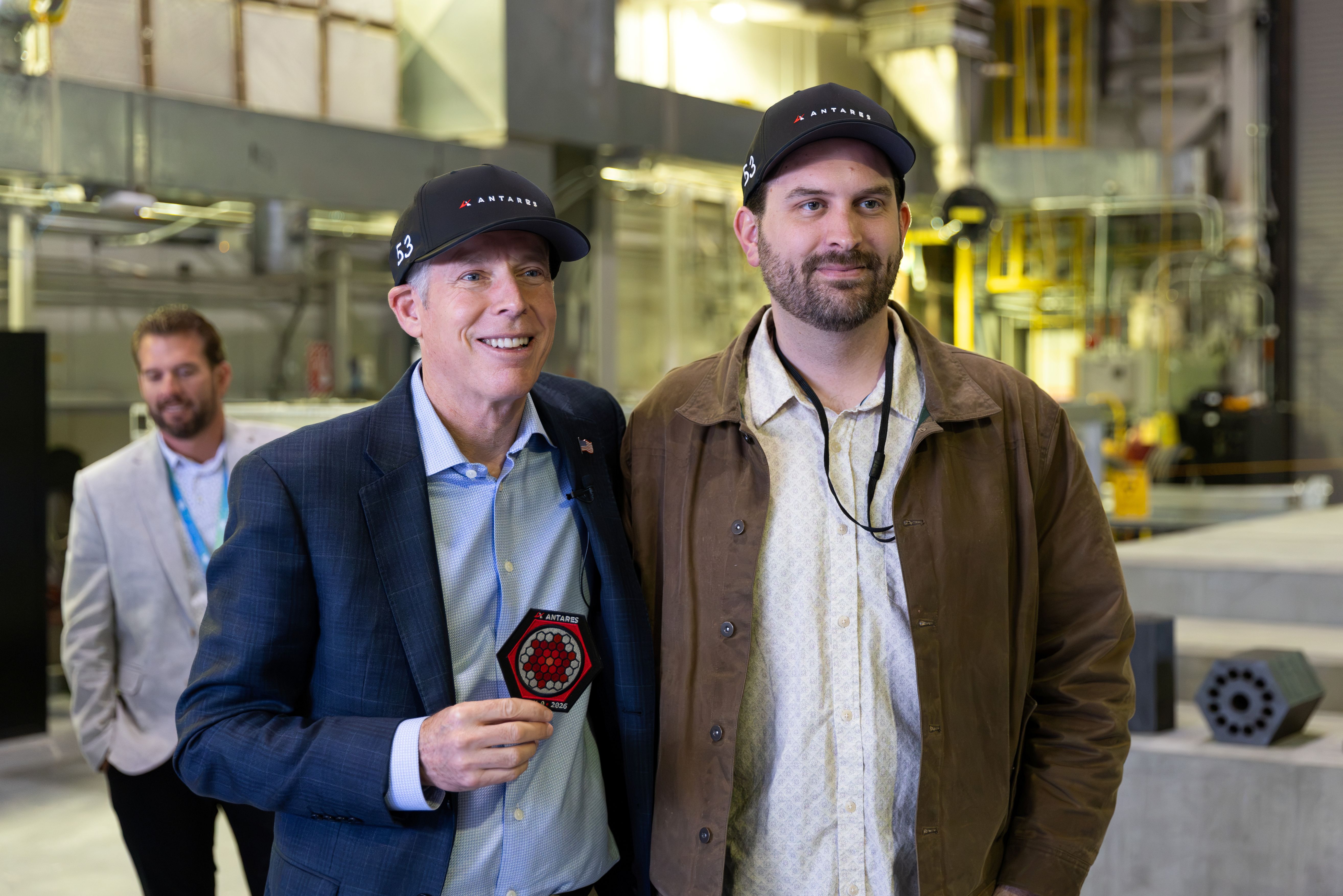
From left to right: US Secretary of Energy Chris Wright with Antares Co-founder and CEO Jordan Bramble. Photos courtesy of Antares Nuclear, Inc. Antares Nuclear, Inc. recently announced that it has been awarded an Other Transactions Authority ag