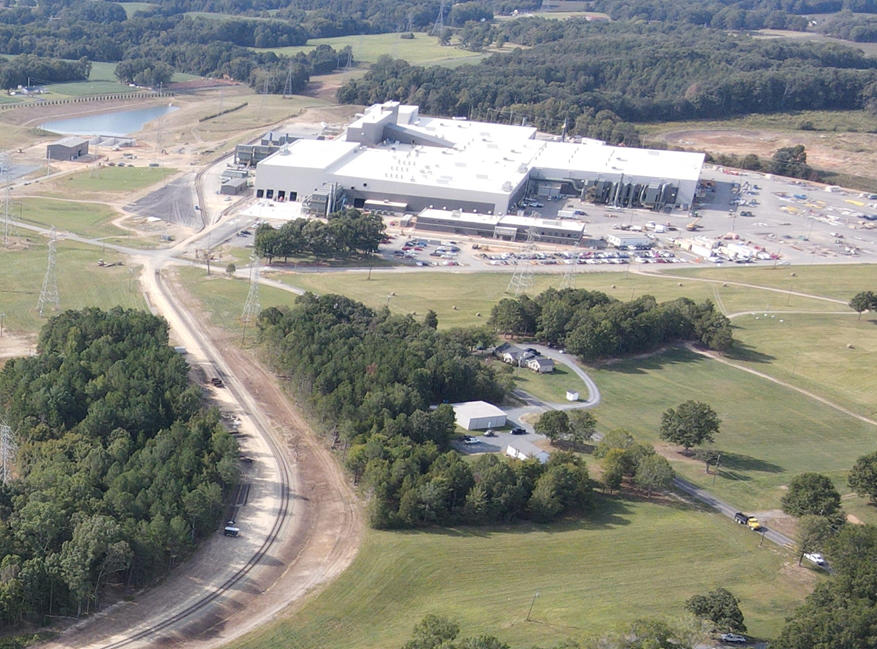
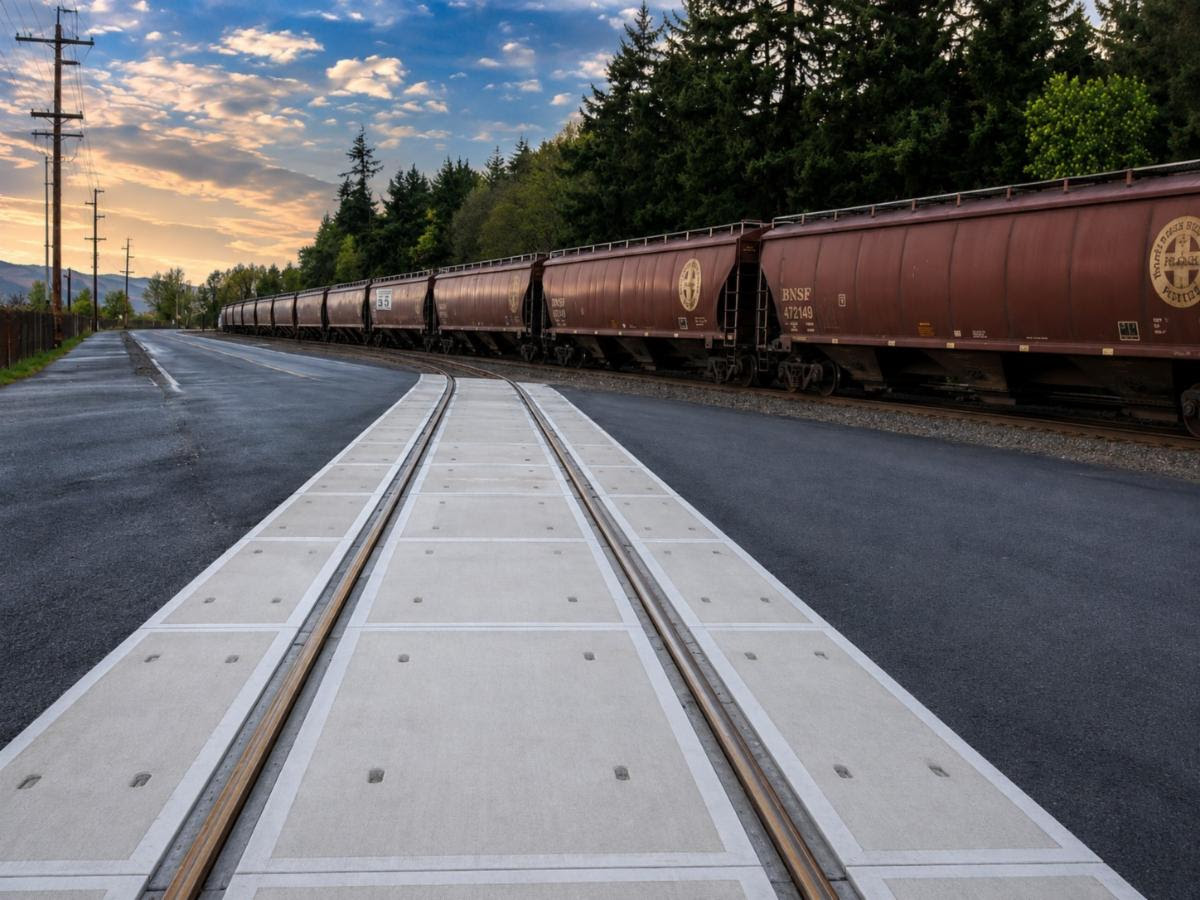
The N.C. Department of Transportation’s Rail Division is investing $16.3 million to improve freight rail infrastructure on 12 short line railroads and at the Port of Morehead City.
“These projects deliver significant benefits to North Carolina’s freight rail network,” said Jason Orthner, director of NCDOT’s Rail Division, in a press release. “By working closely with our railroad partners, we are strengthening reliability and resiliency, supporting businesses across the state, and reinforcing the rail infrastructure that drives North Carolina’s economy.”
NCDOT’s $16.3 million contribution is funded through the Freight Rail & Rail Crossing Safety Improvement (FRRCSI) program. The program, established in 2014 by the N.C. General Assembly, supports the health, safety and performance of the state’s rail infrastructure while establishing partnerships to meet the growing demand for rail service.
The Rail Division’s grants are matched by investments from participating railroad companies and the N.C. Ports Authority. In total, these partnerships are putting $41.5 million into projects that improve North Carolina’s freight rail network.
"We are grateful to partner with the NCDOT on ACWR’s large-scale infrastructure project, which promotes safe and efficient freight movement in our region,” said Anthony Menzies in a press release. Menzies is CEO of Aberdeen Carolina and Western Railway, a short-line railroad that operates a 150-mile freight corridor between Charlotte and Aberdeen. “The combination of private and NCDOT funds also allowed us to leverage over $8.9 million in matching grants from the Federal Railroad Administration (FRA), which will support economic development across the state.”
The projects will upgrade and improve over 95 miles of railroad track and improve eight railroad bridges and culverts in North Carolina, supporting the increase of freight rail traffic on the statewide railroad network.
The awarded projects include the following:


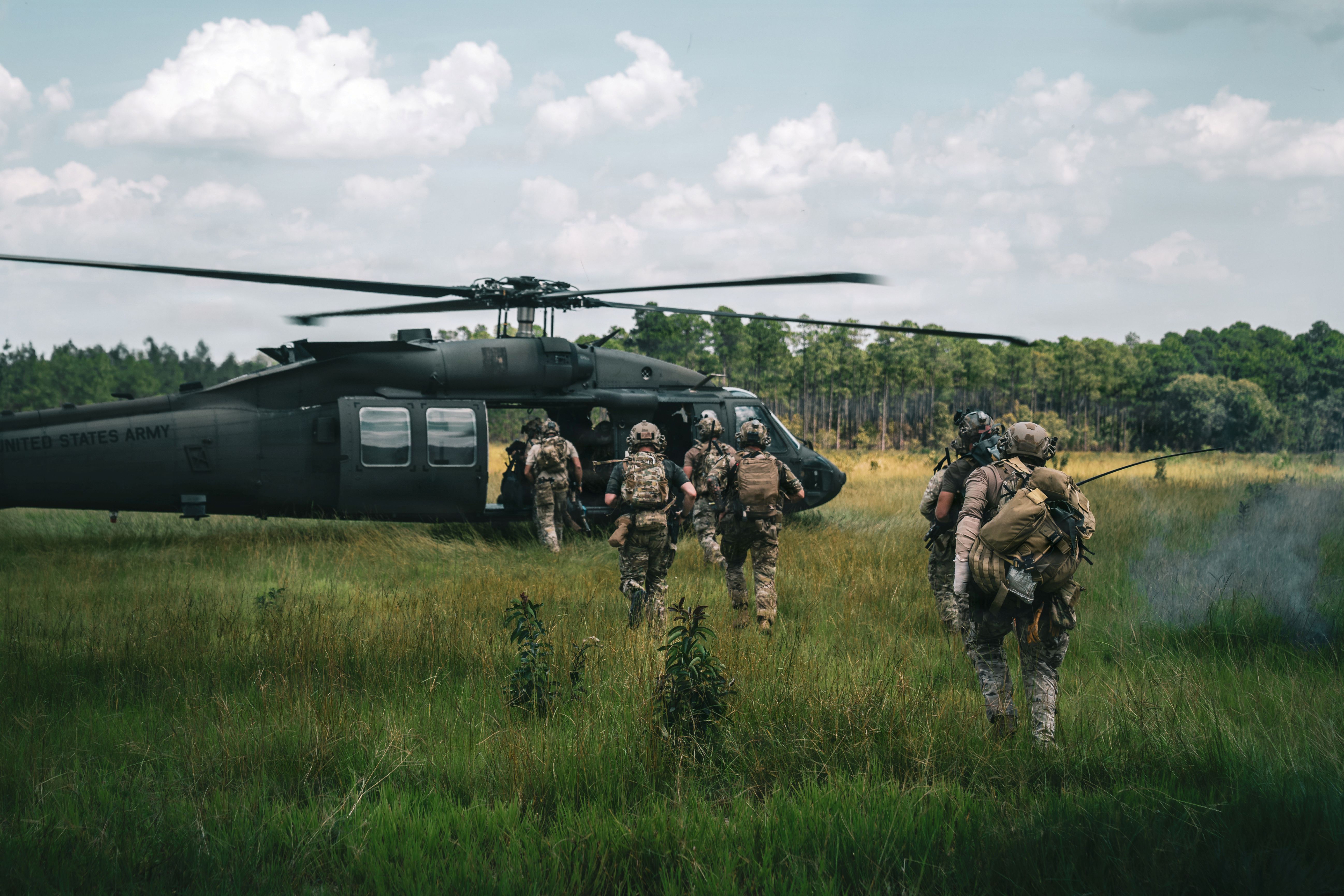
The US Army Special Forces (SF), known as Green Berets because they are awarded a green beret to wear following the rigorous selection and training process, are specialized military units trained to conduct special operations. Photo provided by the G
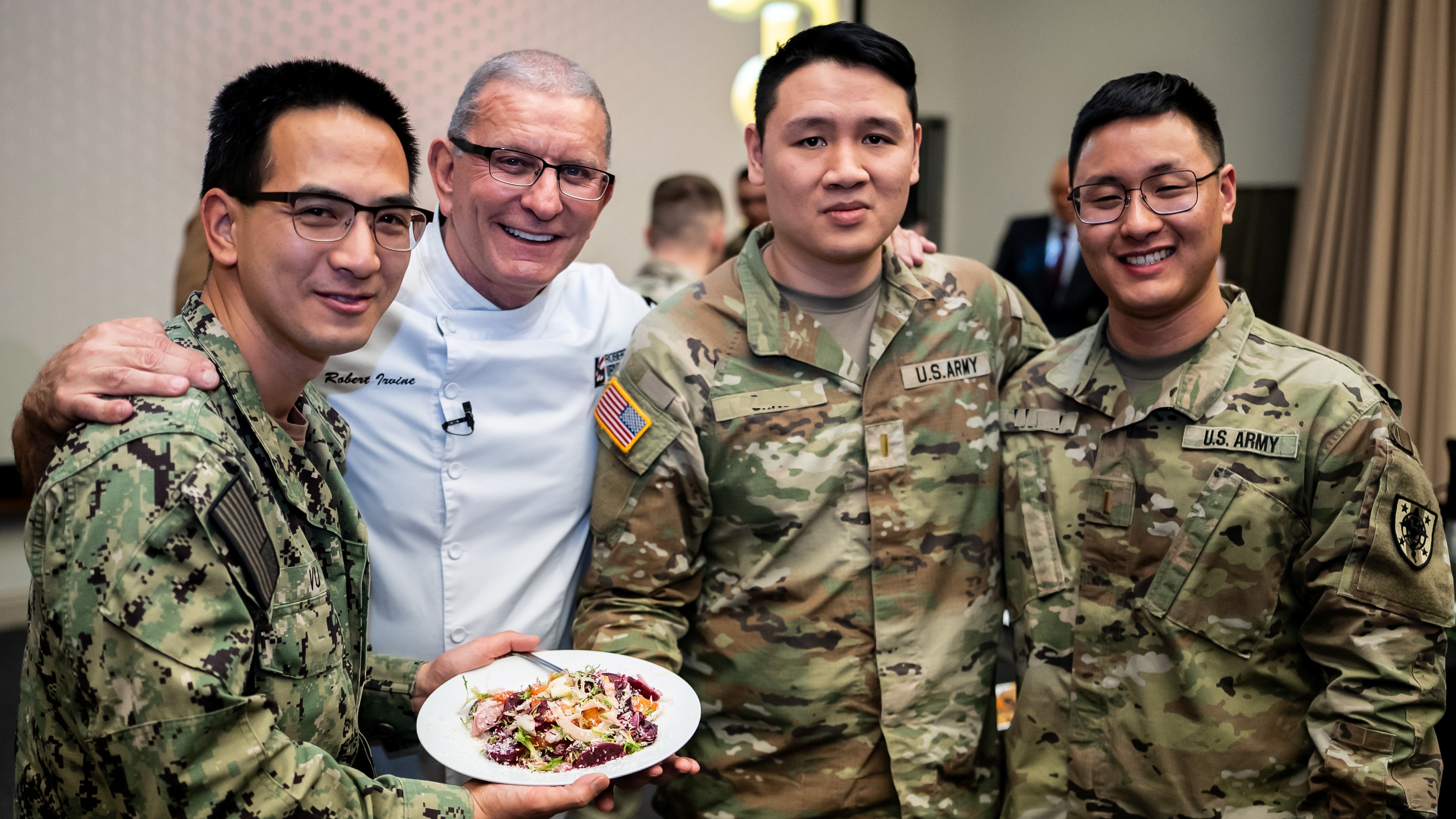
Fuel to Serve will go “beyond the dining hall,” using food and shared meals as trusted entry points to link families with a broader network of resources. Photo courtesy of USAA.USAA and the Robert Irvine Foundation recently announced Fuel to Serve. T
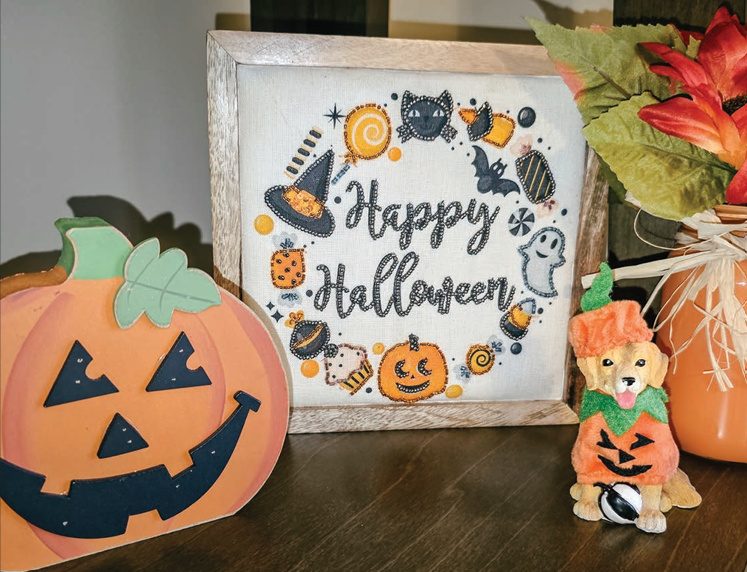
Yes, those are decorations currently in my home. Yes, I may have spent more money than average for two oversized mums that are taking up way too much space on my porch, and yes, I may have stood my ground in a Lowe’s hardware store arguing with my hu