
At the Feb. 25, 2026, Fayetteville Public Works Commission (PWC) meeting, a public hearing was held regarding adjusting electric rates and PWC fees. Following public comment, the Board voted to adopt new rates and fees over a two-year period. The updated rates will apply to bills sent on or after May 1, 2026, while adjusted fees will be effective immediately.
The rates are anticipated to increase PWC’s overall revenue by 5.5% in each of the next two years to cover the actual cost of providing utility services.
According to J.D. Power, average utility prices have risen 34% since 2020. PWC electric rates, including the May 1 increase, have risen 16.5% since then, about half of the national average, as a result of continuing to cut costs whenever possible before raising rates.
PWC’s cost of delivering safe and reliable electric services has increased, which requires rate and fee adjustments to keep pace. Projected increases include:
“Our priority at PWC is to continue delivering safe, reliable, and affordable electric, water, and wastewater services to all of our customers,” said CEO/General Manager of Fayetteville PWC Timothy Bryant, P.E., in a press release. “Before PWC considered any rate increase, staff was intentional about spending and implemented significant cost-saving measures across the business. Unfortunately, uncontrollable cost increases are outpacing cost savings exponentially.”
PWC revenue has remained relatively flat, increasing only 3.26% over the last seven years. Over the past four years, PWC has reduced costs below its budget on average by $15.8 million per year in operations and maintenance costs in addition to another $7.6 million per year in project deferments and job scope reclassifications.
A residential customer using 1000 kWh per month may see increases of $8.02 in May 2026 and $8.59 in May 2027. Even with the approved rate changes, PWC residential customers continue to pay less than the state average and less than all other electric providers in Cumberland County. Additionally, PWC reliability, measured in minutes of outage time, continues to be the best among all Cumberland County electric utilities and among the best in North Carolina.
The approved rates include a new non-residential rate designed to support economic development for large power users requiring more than 5 megawatts of capacity.
The proposed adjustments follow an independent, third-party cost-of-service study conducted every two years to ensure rates fairly reflect the actual cost of providing reliable electric service. The temporary Power Supply Adjustment (PSA) that has been in place since August 2025 will end in August 2026. The PSA is approximately $5.41 per 1000 kWh.
For additional information about the rate adjustments, visit
.



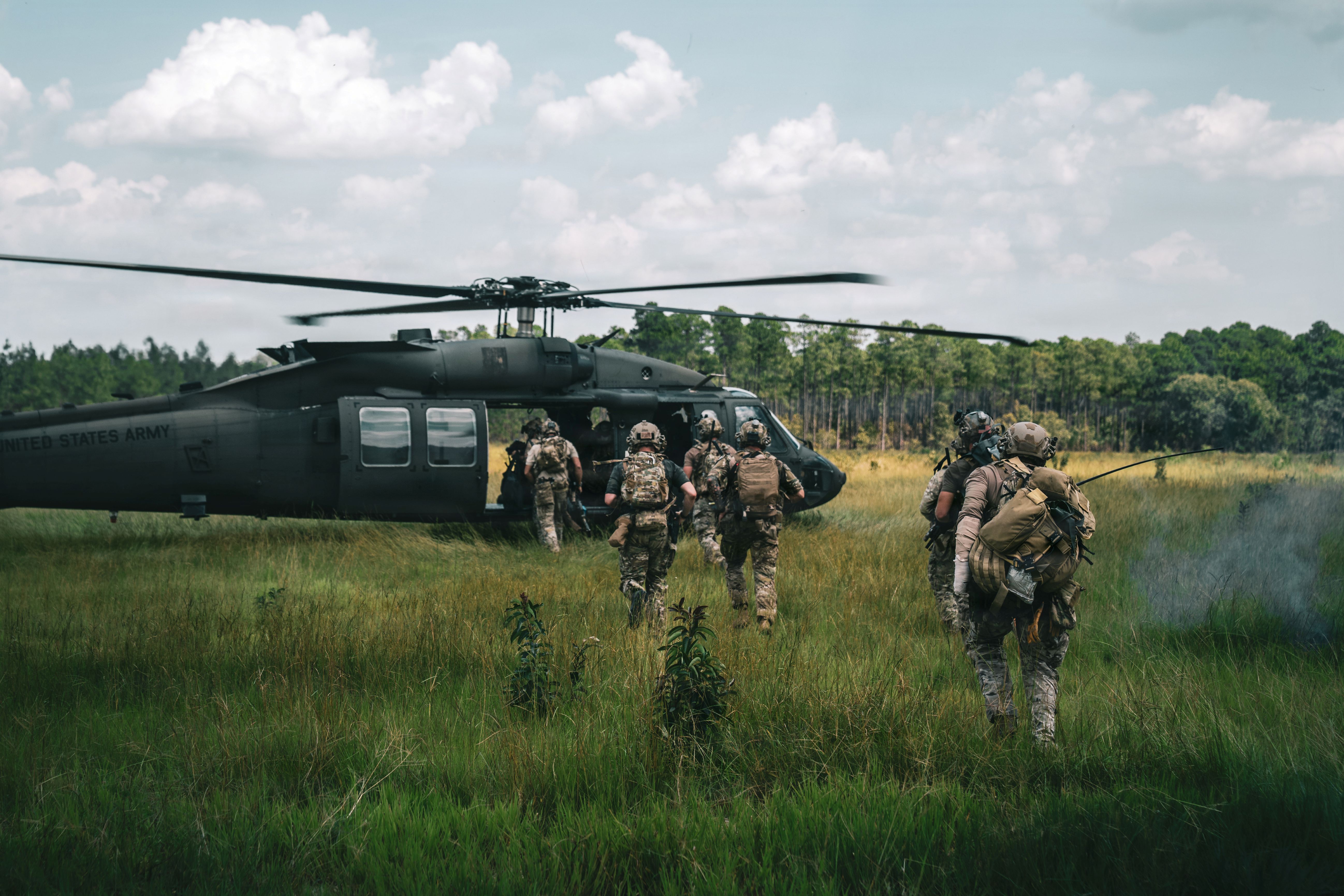
The US Army Special Forces (SF), known as Green Berets because they are awarded a green beret to wear following the rigorous selection and training process, are specialized military units trained to conduct special operations. Photo provided by the G

Fuel to Serve will go “beyond the dining hall,” using food and shared meals as trusted entry points to link families with a broader network of resources. Photo courtesy of USAA.USAA and the Robert Irvine Foundation recently announced Fuel to Serve. T

Yes, those are decorations currently in my home. Yes, I may have spent more money than average for two oversized mums that are taking up way too much space on my porch, and yes, I may have stood my ground in a Lowe’s hardware store arguing with my hu