

On July 11, CNBC named North Carolina as the second best state to do business and in the top three for the fifth year in a row thanks to the state's well-trained and diverse workforce, booming economy and strong business environment. In 2019, North Carolina ranked third; in 2021, the state ranked second; and in both 2022 and 2023 North Carolina ranked first.
“Investing in our people makes our continued success possible,” said Governor Roy Cooper in a press release. “Thanks to our highly-skilled workforce built by our strong public schools and thriving economy with major investments from companies across all sectors, North Carolina continues to be a top destination for business.”
“CNBC again ranking North Carolina as one of the top states for business in the nation is a testament to our state’s competitive advantages,” said N.C. Commerce Secretary Machelle Baker Sanders in a press release. “Successful states stay laser focused on improving their education systems, upgrading their infrastructure, and paying attention to critical quality of life issues like childcare. I’m confident we’ll continue to do the work that’s required to bring economic prosperity to all North Carolinians.”
“North Carolina continues to be a powerhouse for business,” said Gene McLaurin, chair of the Economic Development Partnership of North Carolina’s (EDPNC) Board of Directors in a press release. “Thanks to strong collaboration between Governor Cooper, the North Carolina Department of Commerce, EDPNC and other public and private partnerships, we are bolstering North Carolina’s economy to make sure companies continue to grow and thrive in our state.”
The CNBC study looks at 128 metrics in ten categories of competitiveness. North Carolina ranked #3 in workforce and highly in the economy, business friendliness, education and access to capital categories. This is the fifth year in a row that CNBC has named North Carolina in the top three states for business.
Since Governor Cooper took office in 2017, North Carolina has announced over 115,368 jobs and promised capital investments of $53.45 billion, including major projects from companies like Apple, Toyota, Wolfspeed, FUJIFILM Diosynth, and Boom Supersonic. North Carolina continues to recruit good-paying jobs to add to the advanced manufacturing, clean energy and technology industries already thriving in the rural and urban parts of the state.
North Carolina’s biggest room for improvement in CNBC’s rankings is in the “Quality of Life” category, which includes affordability and availability of childcare, access to reproductive healthcare and rights, and voting rights. North Carolina received a D+ grade in these metrics. While the North Carolina General Assembly provided critical but limited grants to help keep childcare centers open for the next few months, Governor Cooper continues to push Republican legislators to make the investments needed for parents, businesses and children by extending these grants, investing in NC Pre K and investing more in quality early childhood education. As CNBC’s methodology confirms, North Carolina’s economic future depends on it.
(From Governor Cooper’s Press Office)



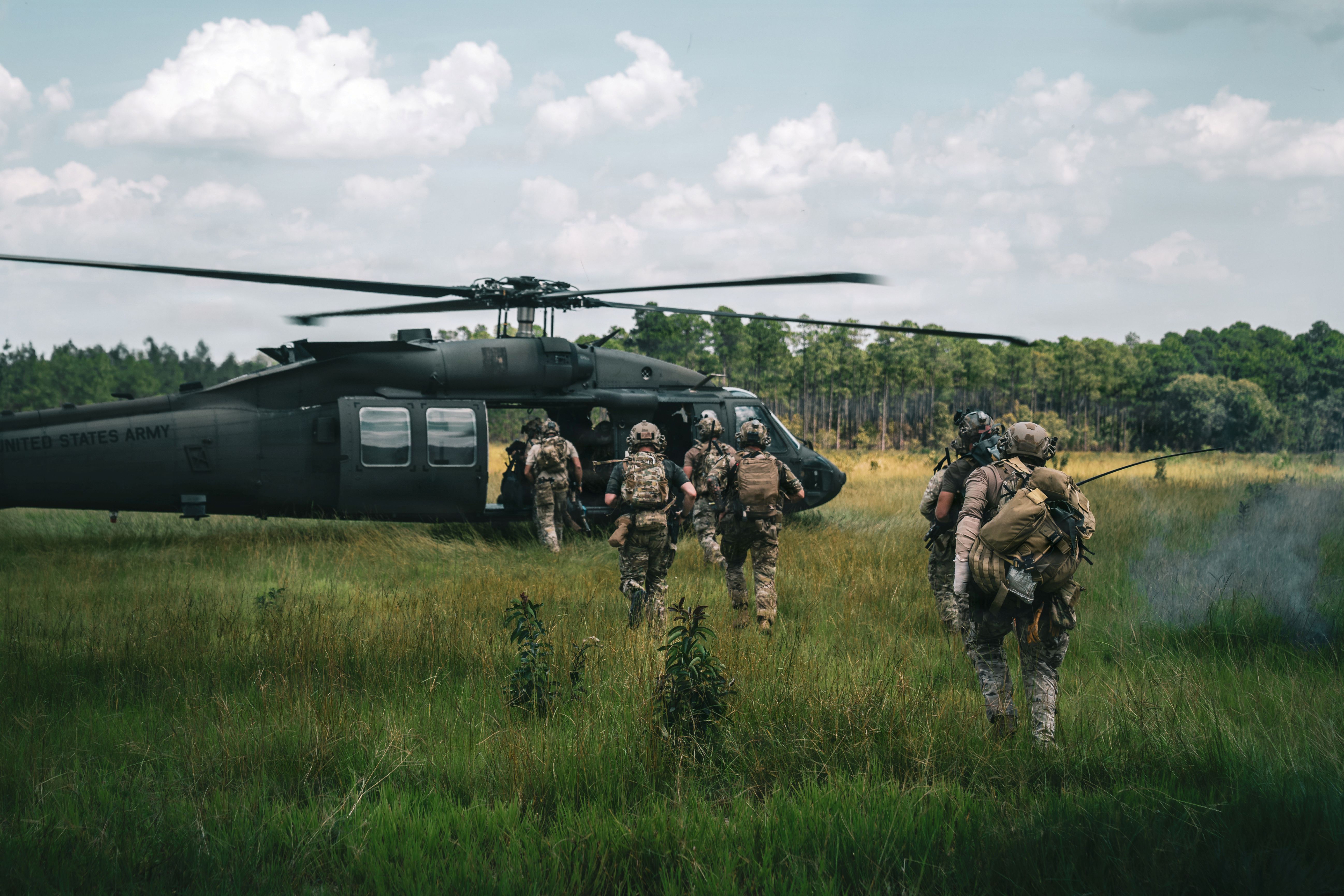
The US Army Special Forces (SF), known as Green Berets because they are awarded a green beret to wear following the rigorous selection and training process, are specialized military units trained to conduct special operations. Photo provided by the G

Fuel to Serve will go “beyond the dining hall,” using food and shared meals as trusted entry points to link families with a broader network of resources. Photo courtesy of USAA.USAA and the Robert Irvine Foundation recently announced Fuel to Serve. T

Yes, those are decorations currently in my home. Yes, I may have spent more money than average for two oversized mums that are taking up way too much space on my porch, and yes, I may have stood my ground in a Lowe’s hardware store arguing with my hu