As the Methodist University Cape Fear Valley Health School of Medicine gears up to welcome its inaugural class in July, the women in medicine and across health sciences are helping shape the future of the field by offering their expert advice to the next generation of young women and future leaders in the field.
According to a 2022 Association of American Medical Colleges study, between 2004 and 2022, the number of women in the active physician workforce doubled, now accounting for 38% of physicians nationwide. In North Carolina, women make up just under 50% of the healthcare field.
With that growth, educators and professionals at Methodist University and Cape Fear Valley Health say that leadership from the next generation and those to come boils down to understanding their “why,” building a strong support system and having the confidence to use their voice.
Healthcare is a demanding field that requires long hours, with a heavy workload, fast pace and lots of pressure. Elza Mylona, Ph.D., who is the senior associate dean for faculty affairs and faculty development in the School of Medicine, said the work is both intellectually demanding and emotionally complex, as well as profoundly human. She says the balance between those two ideas is where many physicians find their rhythm and begin to understand their “why.”
“Physicians remain grounded when they stay connected to the meaning and relationships that lie at the heart of their work,” Mylona said in a press release.
The work is shaped by knowledge, training and learning to build relationships with patients and families. Those moments and conversations develop trust and are the “why” that carries physicians through the hard parts of the job.
“Many medical schools and health systems emphasize compassion, empathy, professionalism and service. These values are essential elements of the practice of medicine and reminders of why many physicians chose this profession in the first place,” Mylona added in a press release.
That “why” reflects how future physicians and medical professionals grow in their careers, how they support the next generation entering the field and how they continue to move through their careers.
The journey into medicine requires academic rigor and resilience, and with that, support is necessary.
Mentorship is what helps students move through the process, academically, personally and professionally. Meredith Gronski, OTR/L, CLA, FAOTA, is dean of the College of Health Sciences & Human Services at MU, and said that as a mentor, the process starts with understanding students beyond the classroom.
“I start with curiosity. I want to know who they are outside of being a student,” she said in a press release.
Small changes can shape how students identify and view themselves professionally and begin to see their place in the field.
“They want their whole identity to be part of their practice, including their lived experiences, their culture and their passions,” she added in a press release.
Identity and values are reshaping how “women in medicine” are understood today.
“When we talk about ‘women in medicine,’ we tend to picture physicians,” Gronski said in a press release. “But that framing leaves out many of the people doing the health work.”
Fields like nursing, occupational therapy, social work and the educators in those fields are central to care, and they are often led and predominantly represented by women.
WHERE WOMEN ARE LEADING IN REPRESENTATION NATIONALLY:
● Pediatrics ► 66%
● Obstetrics & Gynecology (OB/GYN) ► 62%
● Dermatology ► 53%
● Primary Care + Family Medicine ► 43%
● Psychiatry ► 42%
*Data from the 2022 Association of American Medical Colleges
“Who is in the room shapes what gets studied, what gets taught and whose pain gets taken seriously,” Gronski said in a press release. “If we’re serious about honoring women in healthcare, we have to start by widening the lens.”
Representation influences how care is delivered, how patients experience it and whose experiences are taken seriously. Mentorship helps students see where they fit within that environment and how to move forward in it.
Stepping into medicine also means learning when and how to speak up and having the confidence to do so.
“When women in healthcare lead and speak up, it alters the quality of patient care, improves the performance of medical institutions and strengthens the healthcare workforce,” said Chinazor Umerah, MBA, assistant dean for student experience for the School of Medicine, in a press release.
Research shows that women take a more patient-centered approach to communication, which leads to higher patient satisfaction and patients who are more likely to heed medical advice.
Representation influences not only patient experiences but also what gets studied, what gets prioritized and what is valued across healthcare. Umerah said women bring perspectives that expand how care is delivered, especially in areas like reproductive health. Using that voice can look like questioning a treatment plan, advocating for a patient or making sure ideas are heard.
Although there is progress, adversities still exist, and they are not things any one person can solve on their own. Umerah said addressing those challenges requires a shift in the culture around the field, not just the people in it.
“Diverse leadership teams nourish inclusive environments and reduce burnout and turnover,” she said in a press release. “Psychological safety can be established with power mentors or mirror mentors.”
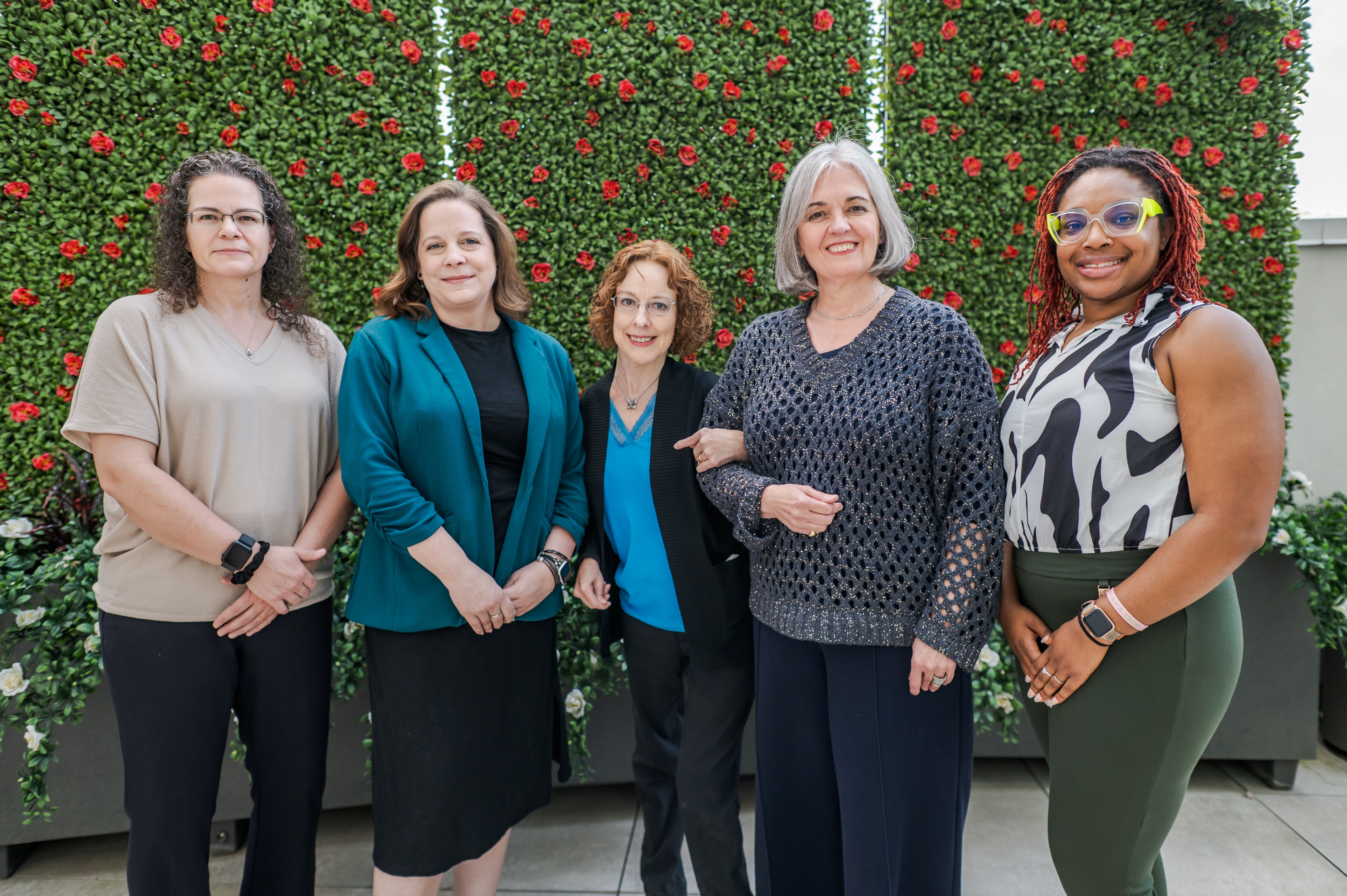
As the School of Medicine prepares to welcome its first class, the next generation of women in medicine is stepping into a field that continues to evolve with more awareness, stronger support and a clearer sense of direction. In MU Health Sciences & Human Services, and at the School of Medicine, talented women such as Mylona; Gronski; Umerah; April Martin, MSPAS, PA-C (director and chair of Physician Assistant Studies); Carol Nichols, Ph.D. (senior associate dean for Academic Affairs and chair for Foundational Sciences); Janay Hagins, DNP, RN (assistant professor of Nursing & clinical coordinator); and many more will continue to lead as expert faculty, staff and mentors.
With guidance from those already leading in healthcare and health sciences, the future women in medicine are entering the field with a stronger sense of purpose, a better understanding of their place in the field and growing confidence in their voice. The future of medicine depends on them and on the people who continue to invest in their growth along the way.
Visit Methodist University Cape Fear Valley Health School of Medicine for more information or to learn more about programs within health sciences, visit methodist.edu/academics/health-sciences-human-services.







Hello, loyal readers. I am writing to you as someone older and therefore wiser (okay, I’m actually writing this the day before my birthday, but you will receive your copy after I’ve already celebrated). I was reminded of how truly blessed I am t
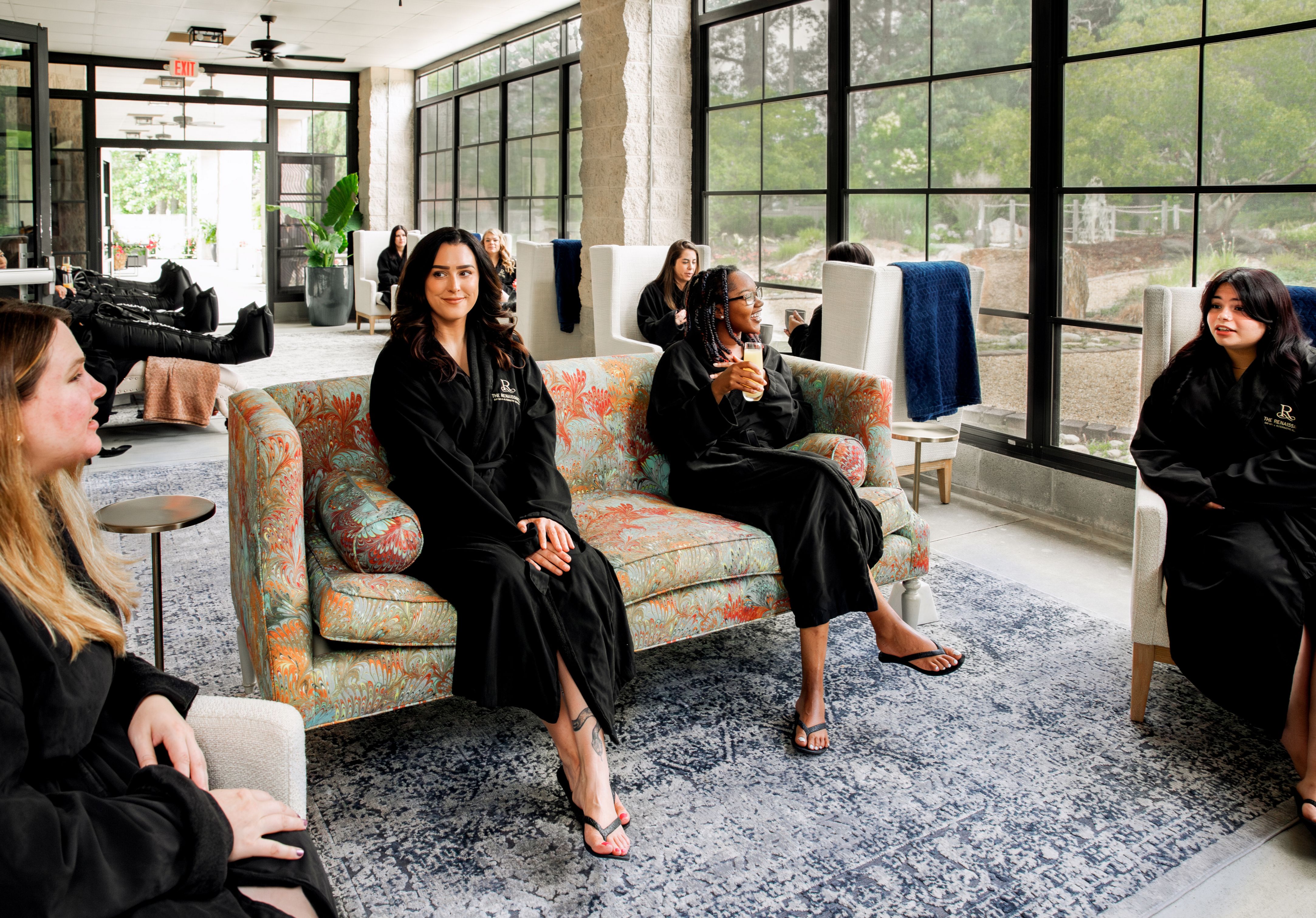
Renaissance offers a broad range of massage services, from standard Swedish and deep tissue massages to signature massages that offer clients aromatherapy, a farmhouse-sourced “honey heel glaze” foot treatment and hot stone therapy. Photo by Style To
Nikole (pictured) and Lakota Shawn began selling their meat at farmers markets and in an online store in 2024. Now, they’ve opened their first brick-and-mortar location. Photo by GFBJ.The Shawn family believes in quality, locally sourced food, and th