The Fayetteville City Council adopted the City’s Fiscal Year 2027 Budget on Monday, June 22, approving a $327.3 million operating budget and $117 million Capital Improvement Plan while maintaining the current property tax rate of $0.4495 per $100 of assessed valuation.
The FY 2027 operating budget supports the delivery of core municipal services while advancing the City Council’s strategic priorities, including community safety, economic growth, housing and neighborhood revitalization and transportation and connectivity improvements throughout the city. The adopted budget balances strategic investments and service delivery while maintaining the current property tax rate and preserving the City's strong financial position.
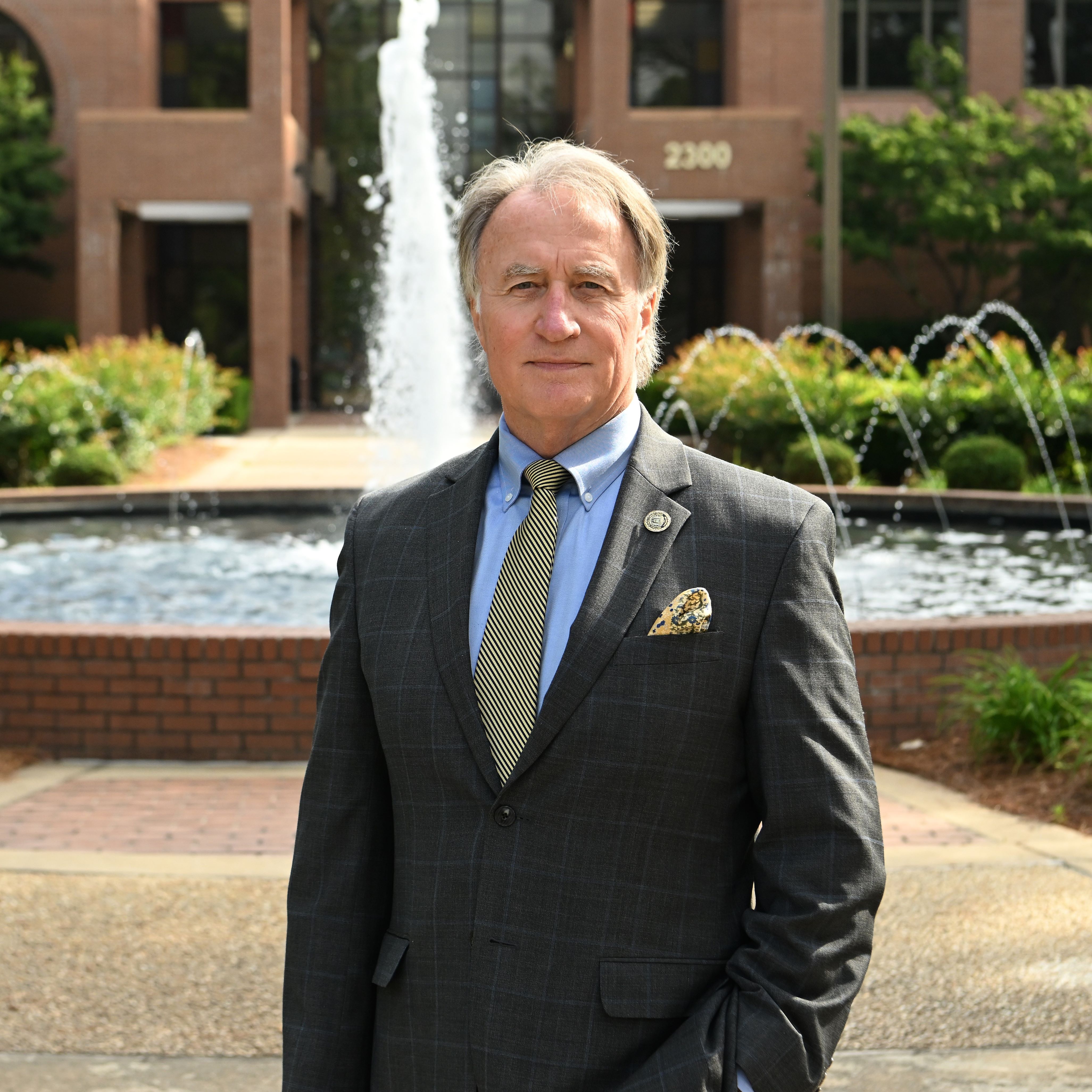
"This budget reflects the hard work and commitment of City staff, the Mayor and City Council to make thoughtful decisions on behalf of our residents," said City Manager Douglas Hewett in a press release. "By listening to community feedback and carefully evaluating our priorities, we have adopted a balanced budget that supports today's needs while preparing Fayetteville for the future."
The adopted budget includes a $3.65 million investment in employee compensation, including a 3% salary increase. The budget also includes $2.18 million for the Office of Community Safety, specifically for adding teams to address mental health response. In total, more than $120 million will address the City’s public safety needs through Fire and Police operations.
In addition to holding the tax rate, Council adopted the budget without increasing stormwater fees or Fayetteville Area System of Transit (FAST) fares. A $10 annual increase in the solid waste service fee was approved to offset rising fuel and operational costs associated with collection services.
In addition to funding day-to-day operations and services for residents, Council adopted the City’s Fiscal Year 2027 Capital Improvement Plan. The plan includes $117 million in new capital investments and is part of a six-year Capital Improvement Program totaling $556.9 million.
These investments support the City Council’s strategic priorities through projects focused on infrastructure, public safety, housing, environmental stewardship and transportation. Major investments include $40 million for stormwater improvements, $19.5 million for public safety facilities, equipment and technology infrastructure, $12 million for housing preservation and homeownership initiatives, $9.1 million for environmental protection projects and $7.6 million for transportation improvements.
Council also advanced $6.5 million in fire apparatus purchases from FY 2027 into FY 2026 through installment financing, reducing funding pressure in the upcoming fiscal year while accelerating the delivery of critical public safety equipment.
For more information about the FY 2027 Budget, visit FayettevilleNC.gov/Budget.







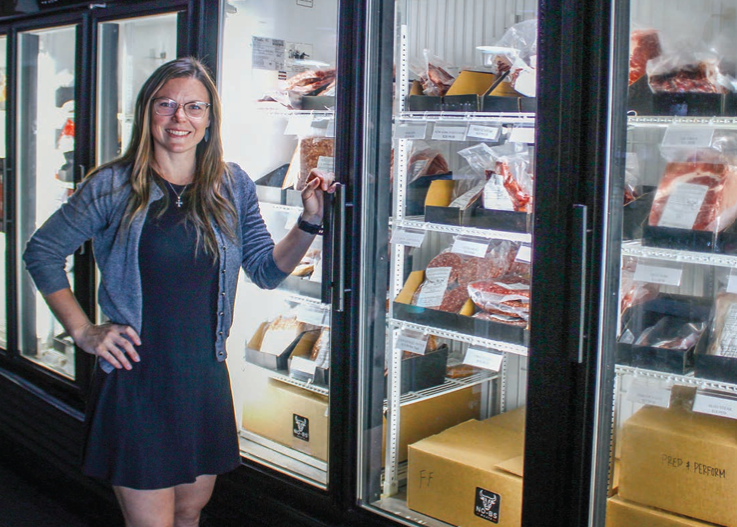
Nikole (pictured) and Lakota Shawn began selling their meat at farmers markets and in an online store in 2024. Now, they’ve opened their first brick-and-mortar location. Photo by GFBJ.The Shawn family believes in quality, locally sourced food, and th

Tracey Jones-Brooks REALTOR®, ABR®, is eager to continue growing her business in Fayetteville, and a new office space is going to help make that dream a reality.

Winners of the inaugural pitch competition were Omega Air, Rebirth-Heart and Mind PLLC, Sprinkle Me Pink, LLC and Fedora Elite Mobile Cigar Experience. Following an event-packed weekend, four Fayetteville-based entrepreneurs were given a leg up