The Fayetteville Area System of Transit (FAST) is taking steps toward expanding transit services to include express routes in the City and services to the surrounding areas within Cumberland County.
In 2025, FAST conducted a Feasibility Study to evaluate opportunities for regional transit expansion while ensuring the system’s facilities and operations can support growth.
With the goal of becoming a service of choice, FAST has continued positive momentum, increasing passenger trips by six percent, even as many transit systems have faced ridership declines over the past seven years.
A commuting patterns assessment was conducted that examined daily travel in surrounding areas, including both employment and non-employment trips. Findings show that approximately 1.3 million non-employment trips and 388,000 employment trips occur on an average weekday in the region.
From this analysis, six potential regional express routes were identified, including connections between Hope Mills and West Fayetteville, Fort Bragg and Fayetteville Regional Airport, and Spring Lake and Fayetteville. These potential routes are designed to provide faster, limited-stop service between key destinations.
To support this level of expansion opportunities, the report recommends developing a secondary FAST facility in West Fayetteville. Establishing a second facility would provide the space needed for additional vehicles, personnel and operational functions, while improving efficiency and positioning FAST to meet growing regional demand.
FAST’s current facility, built 57 years ago, is operating at full capacity and cannot accommodate additional service growth.
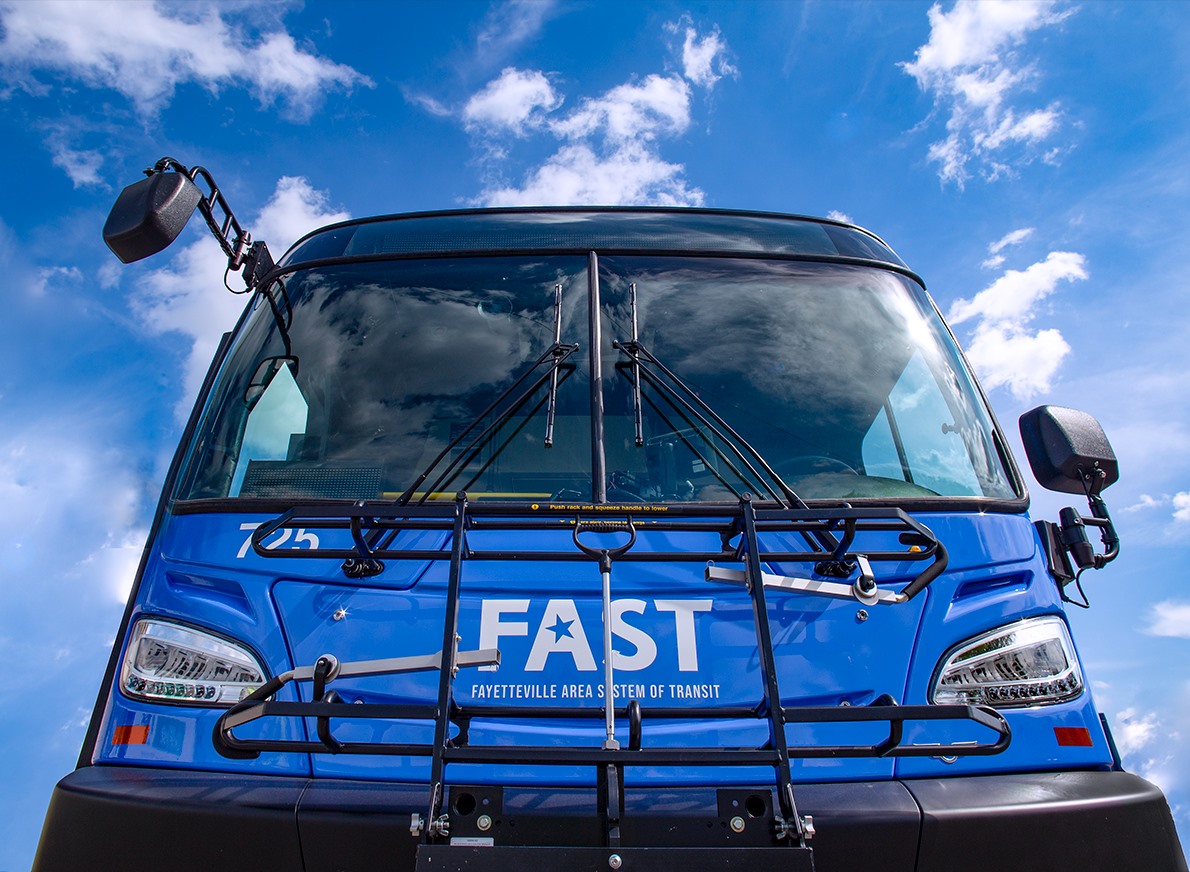
FAST has also been awarded funding to purchase five new battery electric and hybrid buses to replace aging diesel vehicles that have exceeded their useful life. This award, part of the FY24 Low-No Emission Grant Program from the Federal Transit Administration, includes both federal and local match funding and will help modernize the fleet, reduce emissions and improve service reliability.





Join us Sept. 29 for our third Power Breakfast of 2026 as business leaders share how they leverage decades of institutional wisdom. The Greater Fayetteville Business Journal invites you to join us for our third quarterly Power Breakfast, The Fam
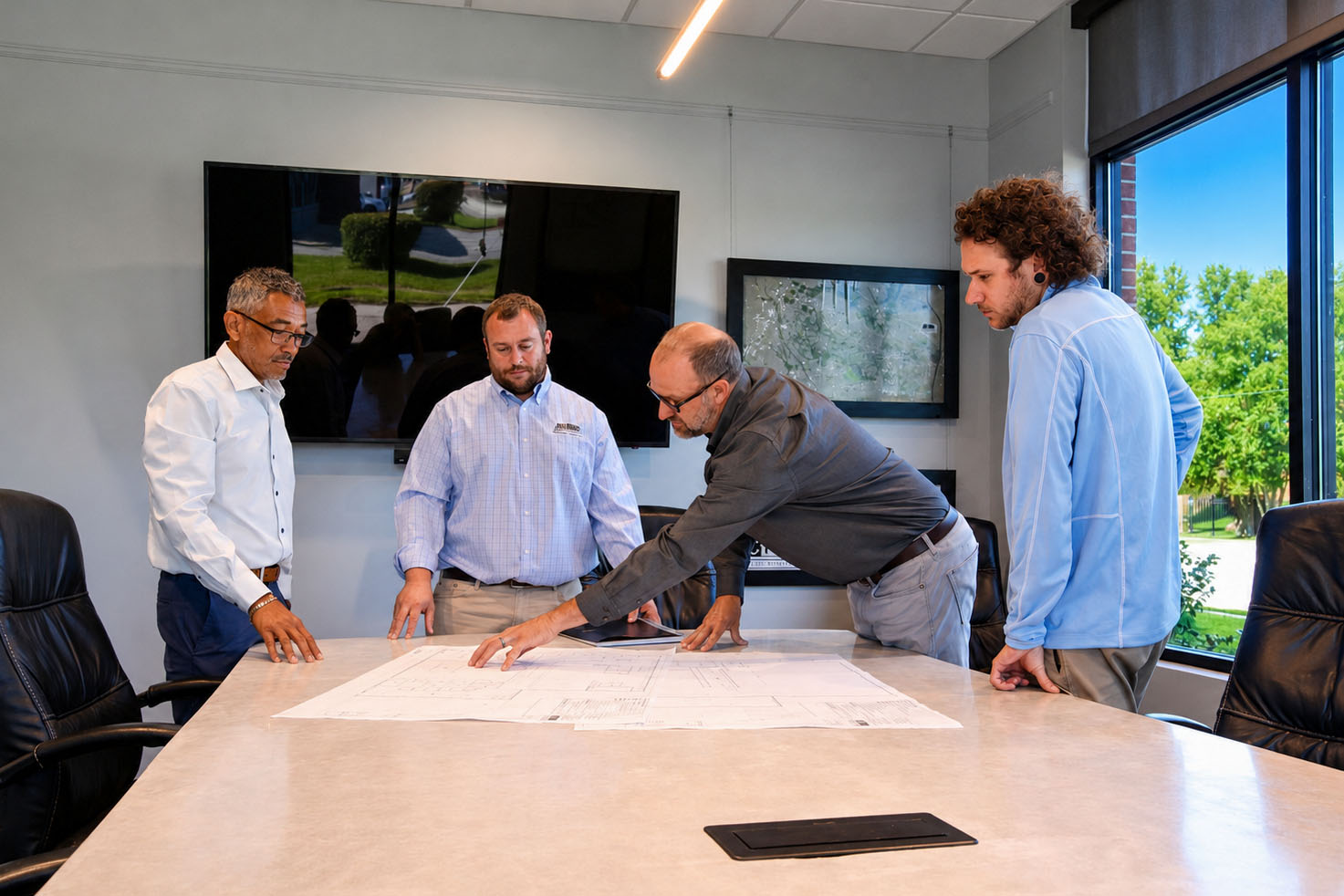
Skyeton leadership have decided to look locally for a general contractor to head up major renovations for the 28,479-square-foot building they’ve selected as their new home. Fayetteville-based Critical Path Solutions LLC has been chosen as the primary contractor for bringing new life to the previous Black+Decker plant site.
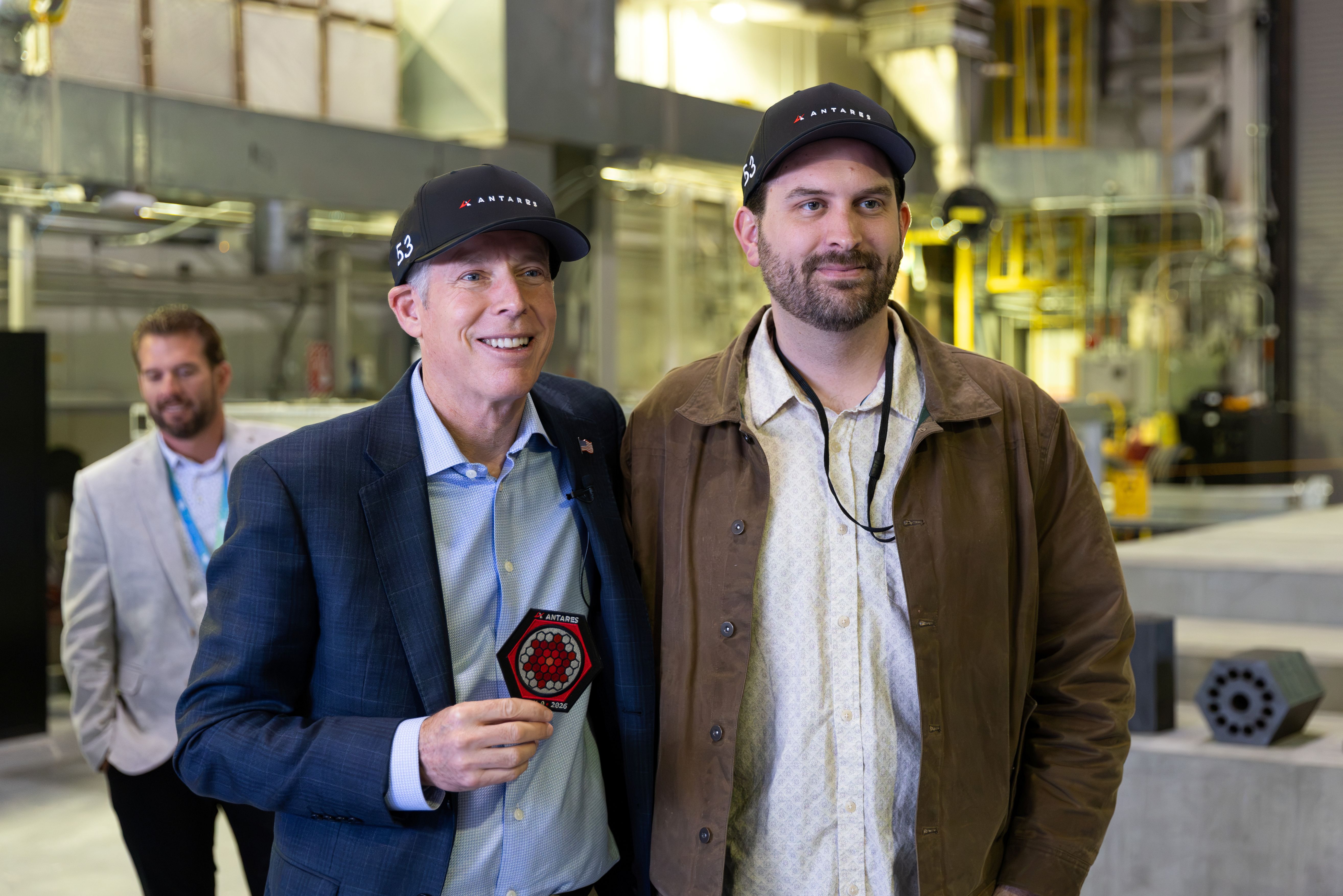
From left to right: US Secretary of Energy Chris Wright with Antares Co-founder and CEO Jordan Bramble. Photos courtesy of Antares Nuclear, Inc. Antares Nuclear, Inc. recently announced that it has been awarded an Other Transactions Authority ag