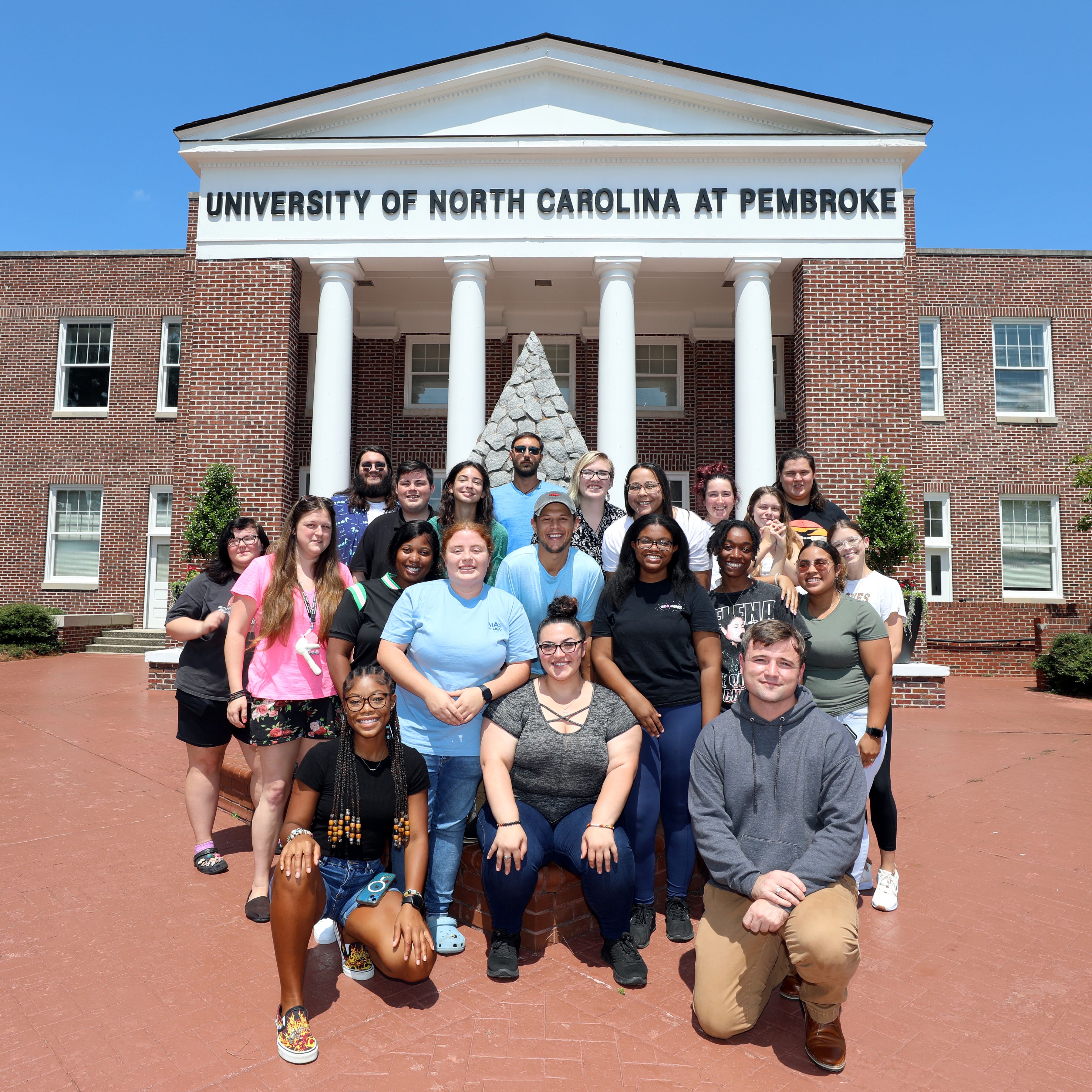
UNC Pembroke's COMPASS program has received nearly $2 million in renewed funding from the National Science Foundation to support future generations of scientists, researchers and healthcare professionals.
The grant will support low-income students majoring in biology, chemistry, environmental science and geoscience who enter UNCP in fall 2026, 2027 and 2028. Students selected for the program will receive scholarships averaging nearly $12,900 annually, along with academic, professional and personal support designed to help them succeed in STEM fields. The scholarships will support students through degree completion.
The funding represents the third iteration of the grant-funded program at UNCP, known as COMPASS-3. The renewal follows more than a decade of measurable success.
Before the program launched in 2014, nearly 70% of STEM students at UNCP had left their major by their fourth year. Today, COMPASS participants have a 76% persistence rate in science, while recent cohorts have achieved nearly a 100% four-year graduation rate.
For Dr. Maria Santisteban, professor of biology and one of the program's founders, those outcomes reflect the power of combining financial support with intentional student development.
"The scholarships are important, but COMPASS has never been solely about paying for college," Santisteban said in a press release. "It's about creating a system of support that helps students see themselves as scientists, researchers and professionals."
Officially titled “Advancing STEM Retention and Career Readiness through Comprehensive Support Systems,” COMPASS was designed to address barriers that often prevent low-income and rural students from persisting in STEM majors.
The National Science Foundation recognizes an ongoing need to increase the number of domestic STEM graduates, particularly among students from rural communities who may have limited exposure to STEM careers, research opportunities and professional networks.
COMPASS students begin with a math and chemistry bootcamp before their first semester and spend the following years exploring research opportunities, visiting graduate schools and industry partners, attending professional conferences and building relationships with scientists and healthcare professionals.
Research stipends allow students to focus on hands-on learning experiences, while select participants are nominated to attend a national conference hosted by the National Science Foundation and the American Association for the Advancement of Science. Last semester, four UNCP students traveled to San Diego for the event.
Senior biology major Jamori Gerald was among the students selected to attend the conference.
“I met new people and learned a lot of things revolving around the science world,” he said in a press release. “Every individual I met was very professional and left me wanting to know more.”
Building confidence in STEM begins long before students apply for internships, attend conferences or conduct independent research. Dr. Rachel Smith, a member of the COMPASS project team and chair of UNCP Chemistry and Physics, said the program introduces students to research opportunities early to help them see themselves as scientists from the beginning.
“To overcome the perception that research is intimidating, COMPASS scholars will work in small groups with faculty to learn basic laboratory skills and then shadow upper-level students who are already engaged in faculty-mentored research projects,” Smith said in a press release. “This early exposure demystifies the research process and helps students build the confidence needed to become involved themselves.”
The students also have an annual retreat, one-on-one mentoring and a dedicated space to study or take a break.
With the grant renewal in place, program leaders hope to create similar opportunities for the next generation of STEM students.
The program is open to incoming freshmen and community college transfer students who are U.S. citizens or permanent residents and have completed fewer than 61 credit hours. Eligible majors include biology, chemistry, environmental science and geoscience.
Applicants must submit two letters of recommendation, SAT scores and a personal statement.
Additional information is available at uncp.edu/COMPASS. Students who have been accepted to UNCP and completed the FAFSA may contact Dr. Maria Santisteban at maria.santisteban@uncp.edu for more information.


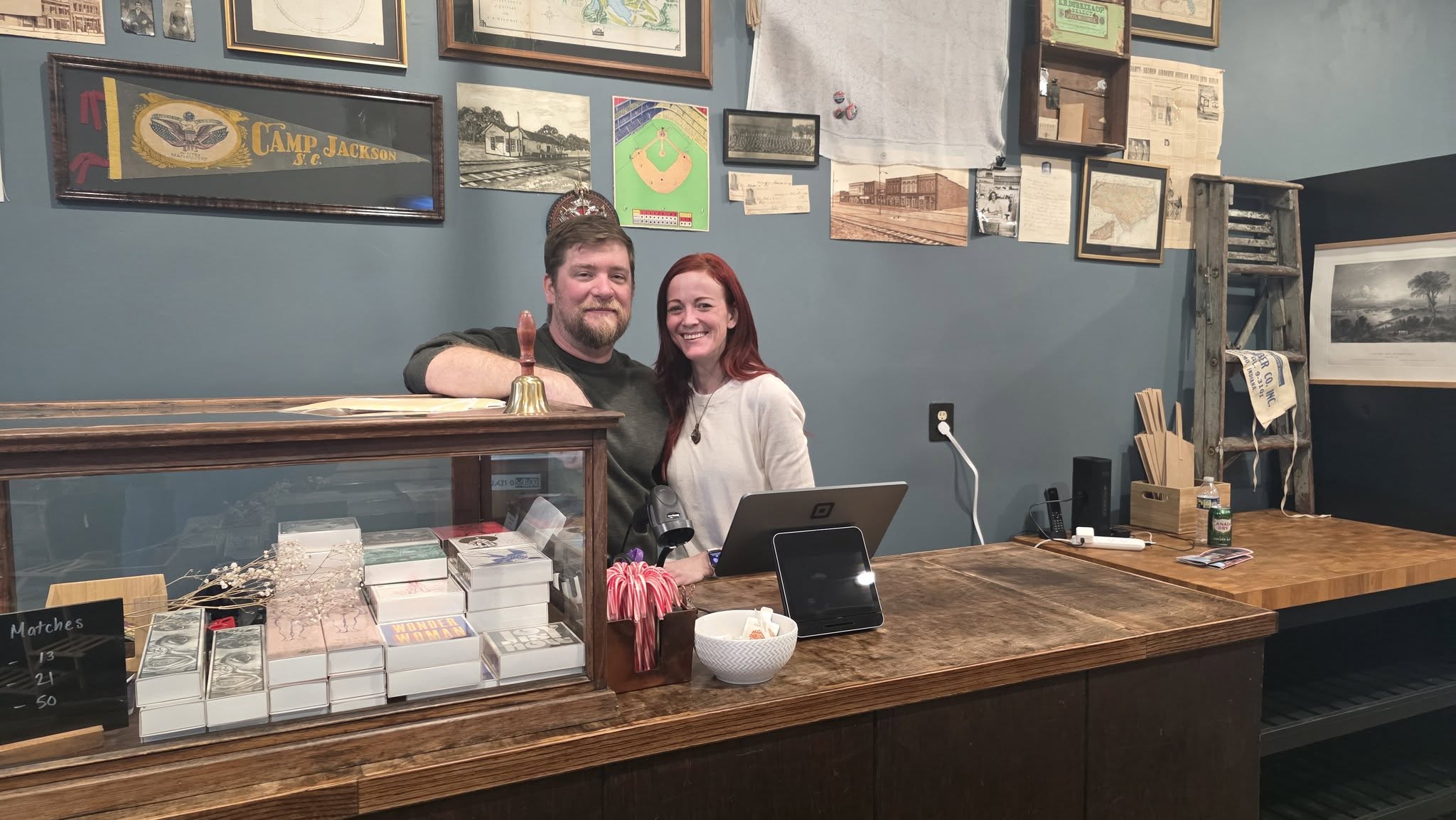
Brian and Staci Graybill opened their third business together, Market Square Pantry, in December 2025. Photo provided by Faith Hatton. For Fayetteville entrepreneurs Brian and Staci Graybill, building a business has often started when they were
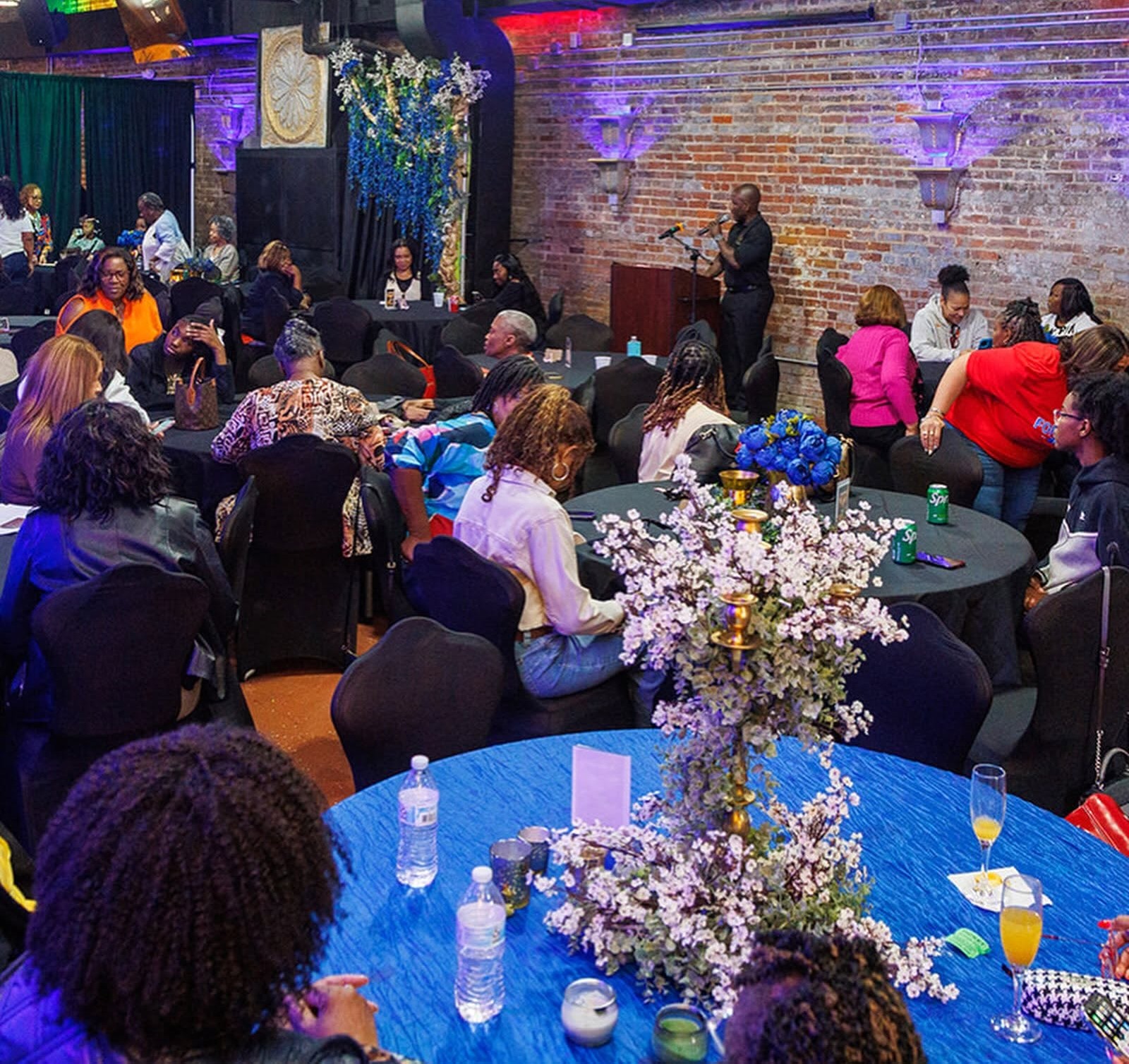
The venue features two levels, two fully stocked bars, audio-video systems including projectors, and lighting solutions, an in-house culinary team, lounge space, a bistro section and private rooms, a state-of-the-art DJ booth and on-site staff to hel
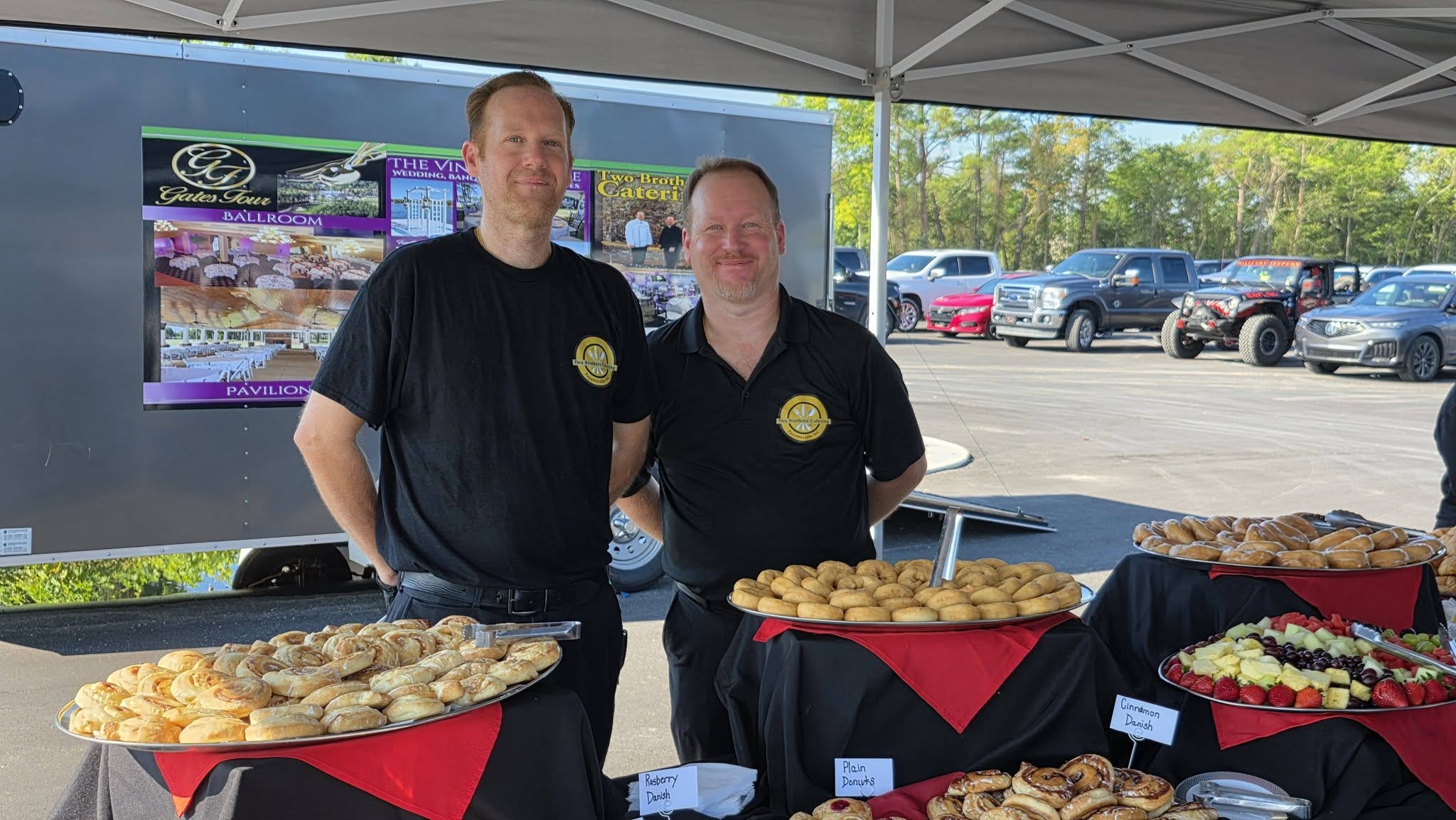
Brad and Kelley McLawhorn became business partners in 2001 when they first opened a restaurant on Reilly Road. Now, their highly praised catering company continues to impress community members with flexibility, quality and personalized service. Photo