
“Discourses at Play: A Rhetorical Exploration of Historical Crises Using the Language of Games” by Fayetteville State University’s Communication and Media Studies professor, Dr. Todd Frobish, explores a diverse set of historical crises through the lens of rhetorical gameplay.
Frobish’s field of rhetorical studies has yet to embrace fully the subject of gaming and play. While previous methods, such as dramatism, narrative analysis, fantasy theme and more, are still powerful and useful as critical methods, rhetorical events can also be analyzed as games of persuasion, choice, and play.
The book tests this model through a textual examination of four large-scale rhetorical events: the Salem witch trials, the COVID-19 pandemic, the fall of the Berlin Wall, and the bombing of Hiroshima. These major events constitute rhetorical games with players, rules, match turns, and outcomes, and the text focuses on the persuasive choices that guide these games toward resolution.
Through these events, readers become familiar with effective and ineffective communication strategies and learn how the vocabulary of gaming can help them to understand the persuasive mechanisms behind them.
One of the big takeaways from the book is simply learning to think in terms of games. Every game has four basic parts: players, rules, interactions, and outcomes. When business owners or PR professionals look at their communication through that lens, they can start asking much sharper questions—who are my players, what rules or incentives am I creating, how are people interacting with my brand, and what counts as ‘winning’ for them? Once you see those elements clearly, you can design communication that is much more intentional and much more persuasive.
Roughly 70% of large companies are already using some form of gamification, whether that’s frequent-flyer-style reward programs, points, badges, or status levels. When done well, it can improve customer loyalty, retention, and even employee motivation and training. But you also have to understand the pitfalls. In a traditional game, there are winners and losers—if your customers feel like losers, they might leave. So you need to make sure everyone gets some value out of participating, and you need to understand your audience, because not every demographic actually enjoys overtly ‘gamey’ experiences.
What the book really offers us is a way to evaluate our experiences and interactions as games with their own unique players, rules, interactions, and outcomes. The four historical case studies show how the ‘rules of the game’ and the way we talk about a situation can either escalate a crisis or help resolve it. For a business or PR team, that means you can design communication strategies that don’t just look clever on paper — they align the players, the rules, and the rewards so that people are genuinely motivated to stay engaged with your organization, rather than feeling manipulated or left out.
On Feb. 5 of this year, the 216-page book was released by Bloomsbury Academic. It is available on Amazon in hardcover ($110) and Kindle ($99) versions, and also at major booksellers. A paperback version will be released in 2027.




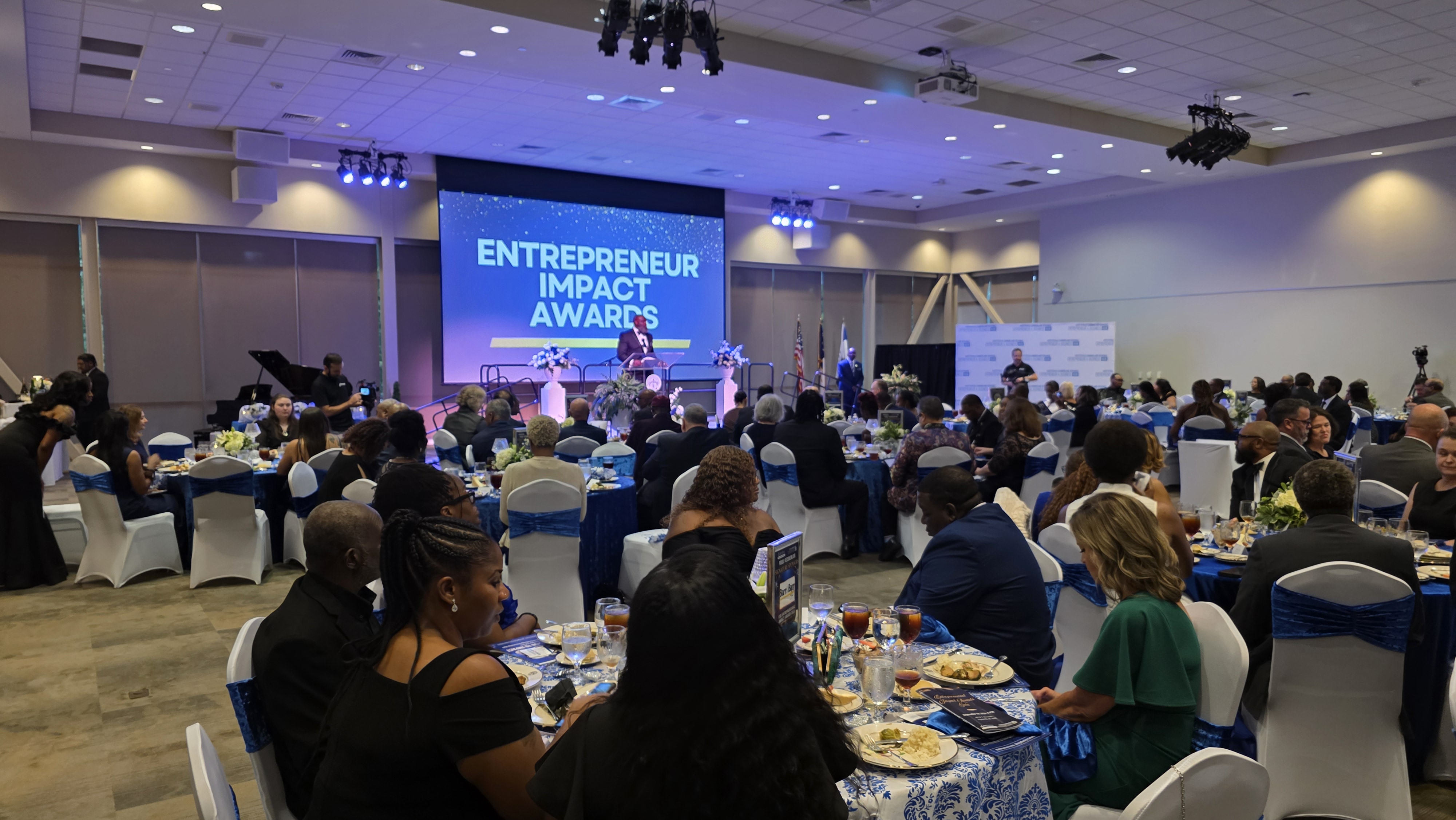



Winners of the inaugural pitch competition were Omega Air, Rebirth-Heart and Mind PLLC, Sprinkle Me Pink, LLC and Fedora Elite Mobile Cigar Experience. Following an event-packed weekend, four Fayetteville-based entrepreneurs were given a leg up